Virtual Reality and Augmented Reality; Differences and Applications
Virtual Reality and Augmented Reality

Introduction
Two Technologies for Experiencing the Digital World
With the advancement of digital technologies, the boundaries between the real world and virtual environments are becoming less distinct every day. Virtual Reality (VR) and Augmented Reality (AR) are among the technologies that have changed the way humans interact with information, their surroundings, and the digital world. By creating visual and interactive experiences, these technologies have created new opportunities in areas such as education, medicine, industry, entertainment, commerce, and tourism.
Although Virtual Reality and Augmented Reality are similar in many applications, their methods of operation and the experiences they create for users are different. Virtual Reality takes users into a completely digital environment, while Augmented Reality adds virtual information and elements to the real world.
In this article, Pishgaman Lotus examines the concepts of Virtual Reality and Augmented Reality, their main differences, important applications, and the future of these two technologies.
What Is Virtual Reality (VR)?
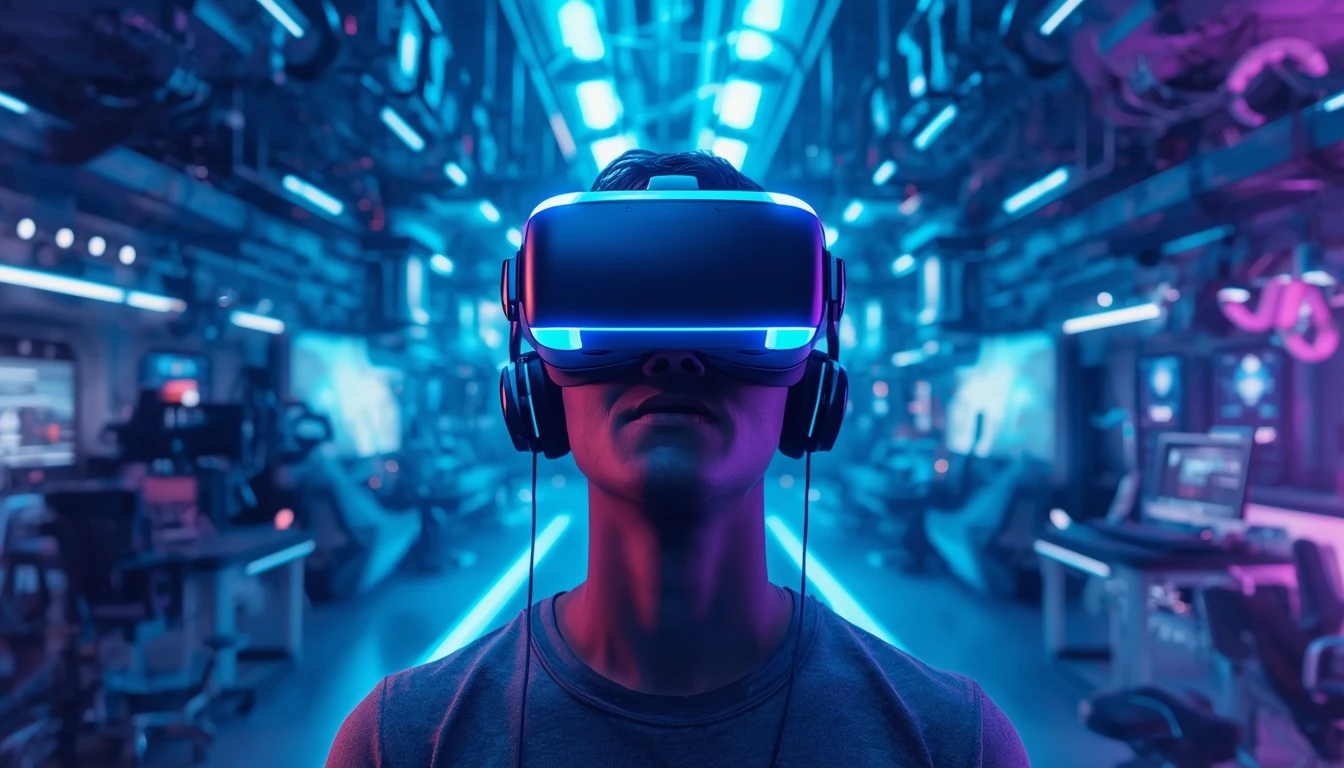
Virtual Reality, or VR, is a technology that creates a completely simulated and three-dimensional environment using digital equipment. In this technology, users enter a digital space with the help of Virtual Reality headsets and motion controllers, where they can move, observe objects, and interact with different elements.
The main goal of Virtual Reality is to create a sense of presence in an environment different from the real world. This environment can be a reconstruction of a real place, a simulation of an educational or industrial situation, or even a completely imaginary world.
For example, a medical student can practice the stages of a complex surgery in a virtual environment without being present in a real operating room. A user can also visit a historical city or participate in a three-dimensional game using a VR headset.
Virtual Reality Equipment and How It Works
To create a Virtual Reality experience, a combination of hardware and software equipment is usually used. VR headsets transfer the user's field of vision into the digital environment by displaying three-dimensional images in front of their eyes.
Motion sensors detect the position of the user's head and body and update the images of the virtual environment by changing the viewing angle. Hand controllers also make it possible to interact with objects and perform different activities.
In some advanced systems, eye-tracking technologies, haptic feedback, and three-dimensional sound are also used to make the user experience more natural and realistic.
: What Is Augmented Reality (AR)?
Augmented Reality, or AR, is a technology that adds digital elements to the real environment. Unlike Virtual Reality, which transfers users to a completely digital space, Augmented Reality preserves the real environment and displays information, images, three-dimensional models, and interactive content on top of it.
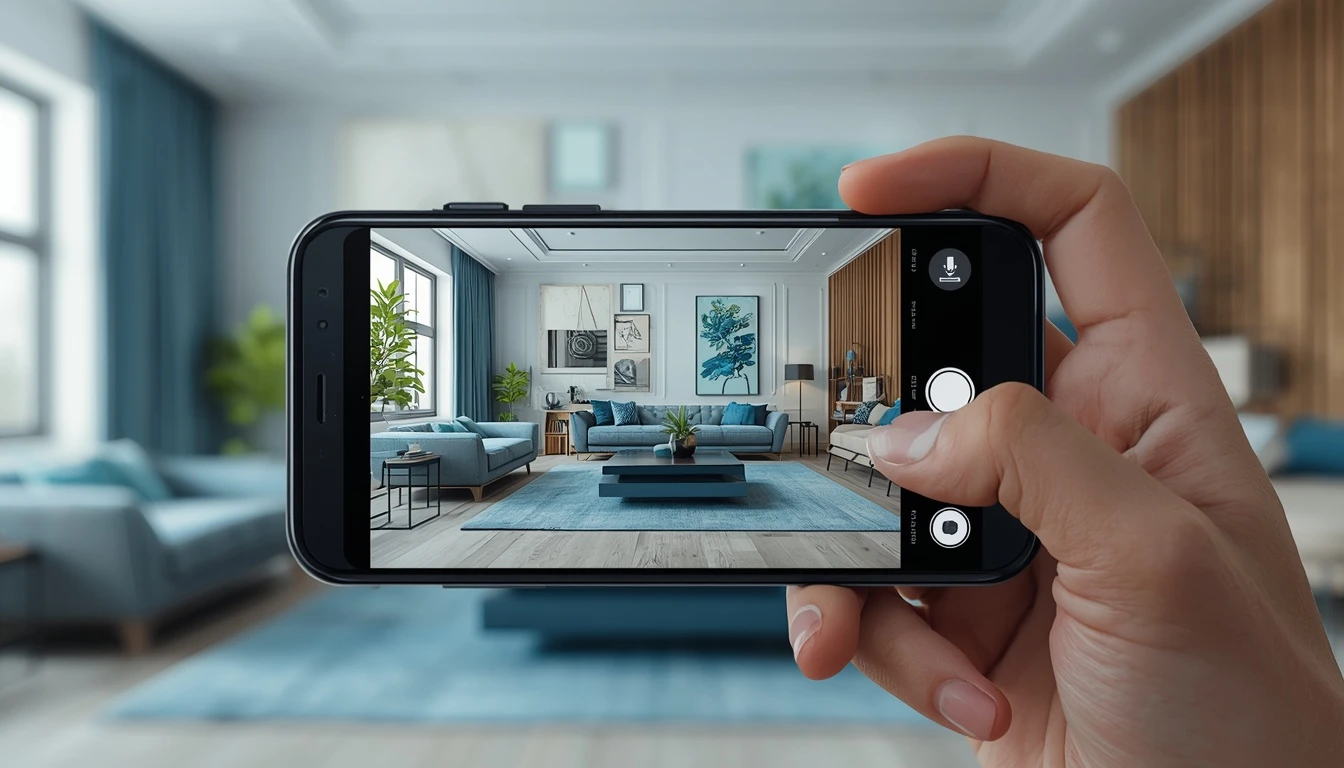
This technology is usually accessible through mobile phone cameras, tablets, smart glasses, or special displays. Augmented Reality software identifies the surrounding environment, the position of objects, and different surfaces, and places virtual elements in the appropriate locations.
For example, users can view a room through their mobile phone cameras and place a three-dimensional model of a sofa in their real home before purchasing it. Also, in some navigation applications, movement routes and information related to streets are displayed as digital elements over the live image of the environment.
Augmented Reality Equipment and How It Works
Augmented Reality needs cameras, motion sensors, and image-processing algorithms to recognize the real environment. Using the information received from the environment, this technology determines the position and direction of virtual elements.
In more advanced systems, Artificial Intelligence and image-recognition technologies help identify objects, understand the environment, and place digital elements more accurately.
One of the practical examples of this technology is the use of Augmented Reality in navigation. In the article Augmented Reality in Maps and Navigation, it can also be seen how combining location information with live images of the environment makes the navigation experience easier and more understandable.
The Main Differences Between Virtual Reality and Augmented Reality
Despite their visual similarities, Virtual Reality and Augmented Reality have important differences in terms of the type of experience, required equipment, and the way users interact with the environment.
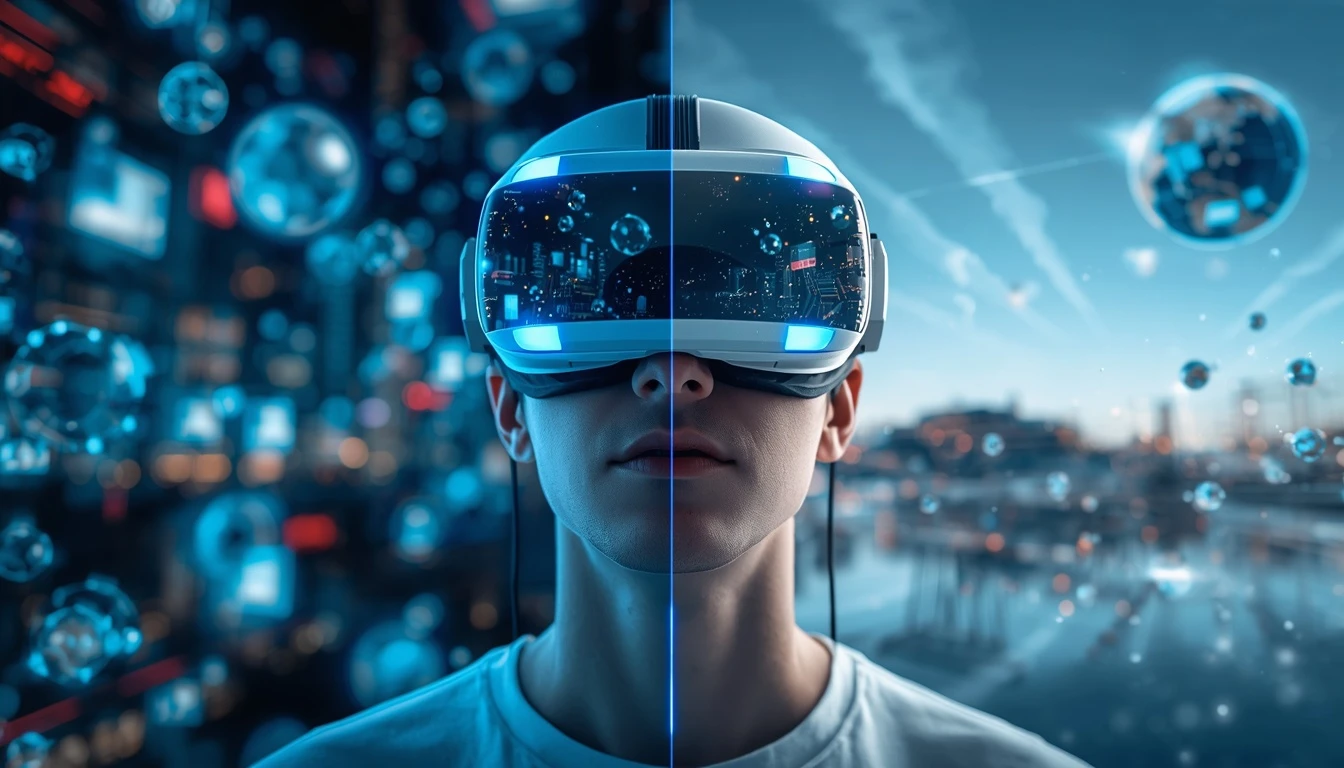
The most important difference between these two technologies is their relationship with the real world. Virtual Reality removes the real environment from the user's field of vision and replaces it with a digital environment. However, Augmented Reality preserves the real environment and adds virtual information to it.
In terms of equipment, Virtual Reality usually requires dedicated headsets, while Augmented Reality can be implemented not only through smart glasses but also through mobile phones and tablets.
Another difference is related to the level of the user's presence in the digital environment. In Virtual Reality, users feel that they are in an independent and simulated space. In Augmented Reality, users remain connected to the real environment and see digital elements alongside physical objects.
In terms of applications, Virtual Reality is mostly used for simulation, practical training, gaming, and experiencing virtual environments. In contrast, Augmented Reality has extensive applications in navigation, online shopping, equipment repair, information display, and interaction with the real environment.
Applications of Virtual Reality and Augmented Reality in Different Industries
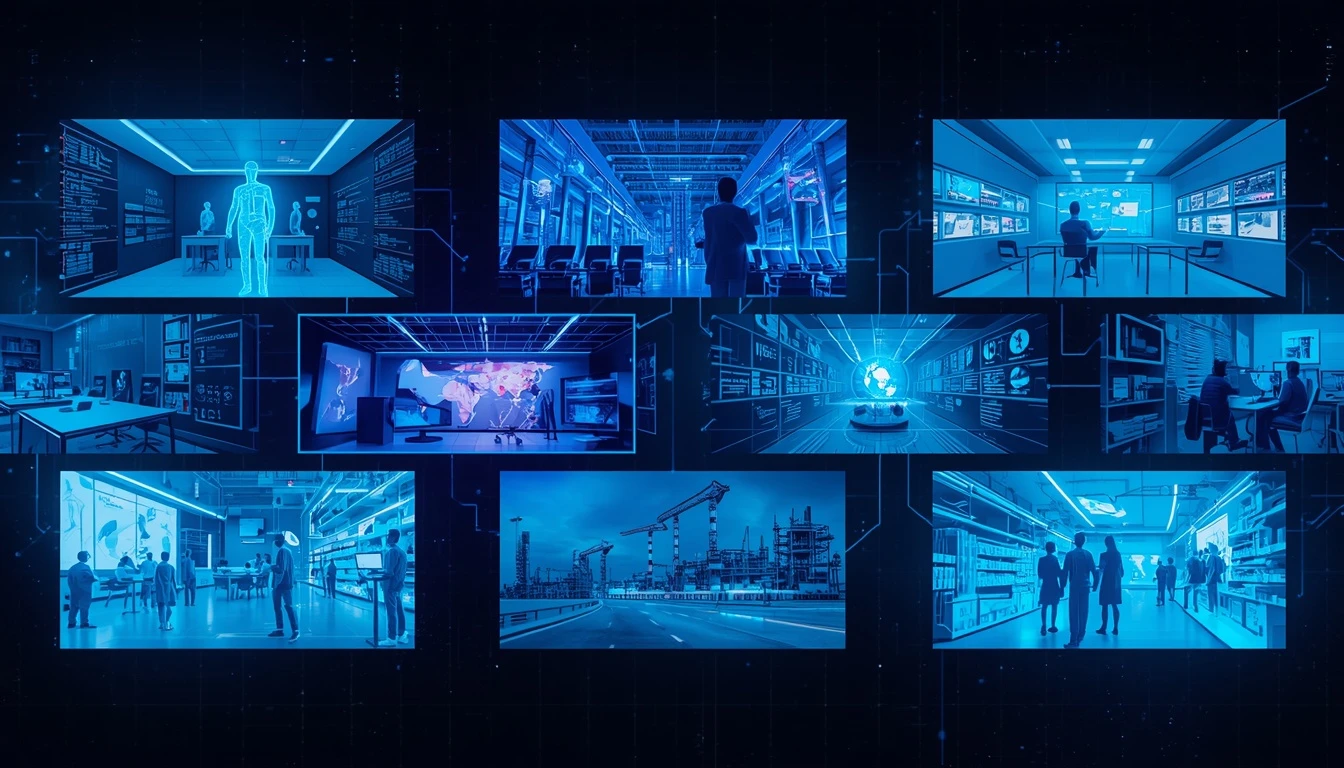
Virtual Reality and Augmented Reality are not limited to computer games and entertainment. These technologies are becoming practical tools for improving work processes, increasing accuracy, reducing costs, and creating new experiences for users.
1. Education and Interactive Learning
One of the most important applications of Virtual Reality is creating simulated educational environments. Students can observe complex concepts in three dimensions without the limitations of physical environments and practice practical skills in a controlled environment.
For example, medical students can simulate different surgeries, and engineering students can become familiar with the structures of machinery and industrial equipment in a virtual environment.
Augmented Reality also makes the learning process more interactive by displaying additional information on books, educational equipment, and real objects.
This topic has a direct connection with the article Education in the Virtual World: Metaverse Classrooms and Interactive Learning, where three-dimensional environments and virtual spaces make it possible to create new educational classrooms and increase student participation.
2. Medicine and Healthcare
In the medical field, Virtual Reality is used for physician training, surgery simulation, managing fear and anxiety in some patients, and rehabilitation.
This technology allows physicians to examine and practice different situations in a simulated environment before performing some complex procedures.
Augmented Reality can also provide medical information and three-dimensional images to specialists. For example, displaying three-dimensional models of internal organs alongside medical imaging information can help provide a better understanding of body structures.
3. Industry and Manufacturing
In manufacturing industries, Virtual Reality makes it possible to design and examine three-dimensional product models before creating physical prototypes. Engineers can evaluate equipment designs, production lines, and factory structures in a virtual environment.
Augmented Reality is also used in the repair and maintenance of industrial equipment. Technicians can use smart glasses to view technical information, repair instructions, and the location of components digitally on real machines.
This method can reduce human errors and increase the speed of technical activities.
4. E-commerce and Online Shopping
One of the attractive applications of Augmented Reality is creating interactive shopping experiences. Users can view products in their real environment before purchasing them and make more accurate decisions about their size, shape, and placement.
For example, customers can use AR to view furniture in their homes, examine different colors of a product, or virtually try on some products.
Virtual Reality can also create three-dimensional stores where users virtually enter a store, examine products, and experience something close to in-person shopping.
5. Tourism and Entertainment
Virtual Reality makes it possible to visit historical places, museums, cities, and tourist attractions virtually. Users can experience different environments in three dimensions without physical travel.
Augmented Reality also enriches the tourism experience by displaying historical information, routes, and details related to sightseeing locations.
In the entertainment industry, AR- and VR-based games have also changed the way users interact with the digital world and provide experiences beyond ordinary displays.
The Relationship Between Virtual Reality, Augmented Reality, and Artificial Intelligence
Combining Artificial Intelligence with Virtual Reality and Augmented Reality has taken the capabilities of these technologies to a new level. Artificial Intelligence can make digital environments smarter, analyze user behavior, and create more natural interactions between humans and digital systems.
For example, in a Virtual Reality environment, Artificial Intelligence can enable virtual characters to answer users' questions, recognize their behavior, and respond according to different situations.
In Augmented Reality, AI algorithms can also recognize surrounding objects and environments and display relevant information at the appropriate time. This capability is highly important in education, navigation, medicine, and industrial services.
To learn more about this topic, the article Virtual Reality and Artificial Intelligence; The Future of Intelligent Experiences examines the role of Artificial Intelligence in developing intelligent digital experiences.
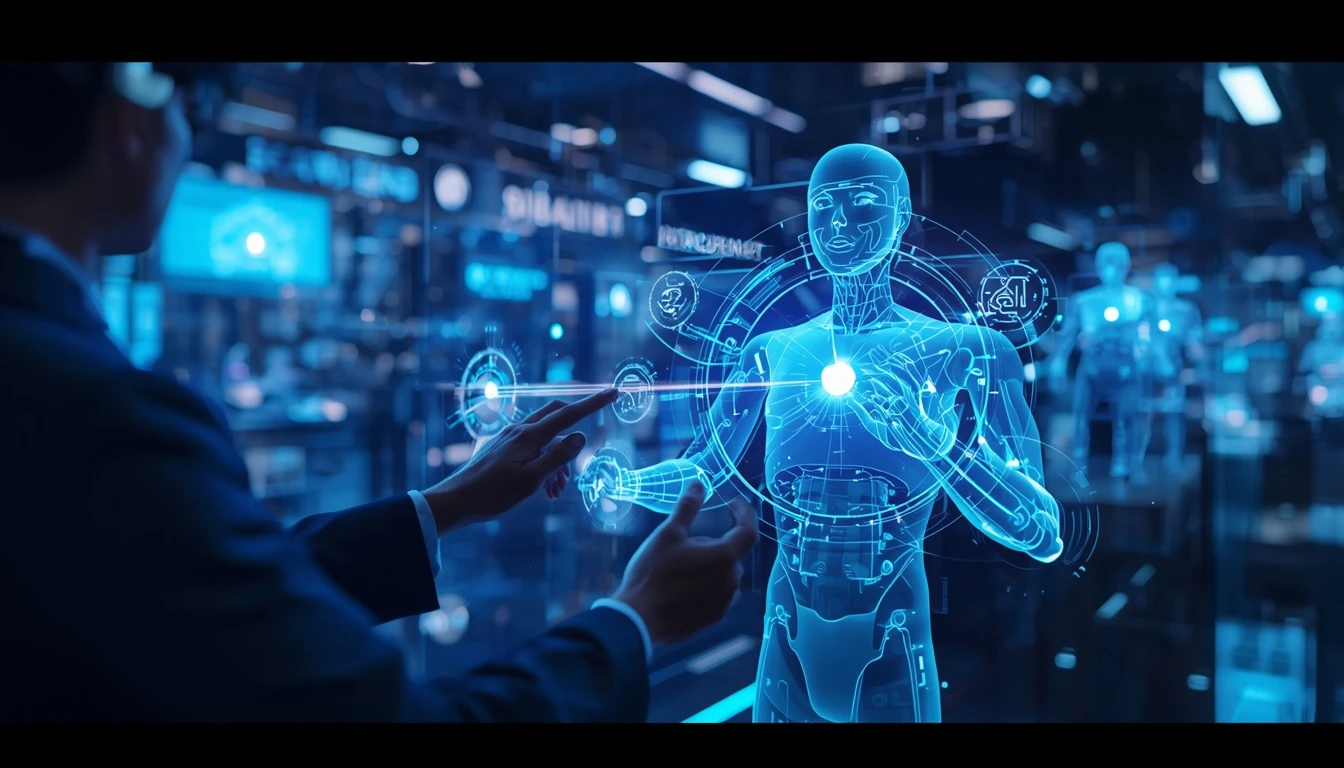
On the other hand, combining Holography and Augmented Reality can also transform the way three-dimensional content is displayed and interacted with. The article Holography and Augmented Reality; The Future of Human Interaction with the Digital Environment discusses this topic and the capabilities of three-dimensional imaging technologies.
The Future of Virtual Reality and Augmented Reality
With the development of more powerful hardware, faster processors, Artificial Intelligence, and advanced communication networks, Virtual Reality and Augmented Reality are expected to play a wider role in everyday life and business activities in the coming years.
One of the most important development paths for these technologies is moving toward Mixed Reality. In Mixed Reality, digital elements are not only displayed in the real environment, but they can also interact with the physical environment and respond to it.
The development of lighter smart glasses, higher-quality displays, and more accurate tracking systems can also make the use of these technologies easier and more widespread.
On the other hand, combining these technologies with the Metaverse can create shared digital spaces where users can participate in education, business meetings, shopping, entertainment, and social communication.
In this process, Artificial Intelligence will play an important role in personalizing experiences, creating dynamic environments, and increasing the quality of digital interactions.

Conclusion
Two Different Paths for Transforming the Digital Experience
Virtual Reality and Augmented Reality are two important technologies in the development of digital experiences, each changing human interaction with the world of technology through a different approach. Virtual Reality makes it possible to be present in digital spaces by creating completely simulated environments, while Augmented Reality provides users with new information and capabilities by adding virtual elements to the real environment.
These two technologies have extensive applications in areas such as education, medicine, industry, e-commerce, tourism, and entertainment. Combining them with Artificial Intelligence, Holography, and the Metaverse can create new opportunities for innovation.
Pishgaman Lotus, by focusing on the development of software solutions and modern technologies, pays attention to the importance of these developments in the future of digital businesses. Understanding the capabilities of Virtual Reality and Augmented Reality can be the first step toward effectively using these technologies in designing intelligent products and services.
Our articles:"Metaverse and Virtual Reality: The Future of the Digital World"
Similar Blogs

Metaverse and Virtual Reality: The Future of the Digital World

Virtual Reality Applications in Education and Learning

Virtual Reality and Artificial Intelligence; The Future of Intelligent Experiences
Have special project to begin?
Contact us if you need a unique website for your special requirements, if you think having a mobile application help you reach your business’s goals or you still do not recognize which product can help you implement your ideas. Lotus Pioneers accompany you to develop your business through consulting and by designing special products.