Metaverse and Virtual Reality: The Future of the Digital World
Metaverse and Virtual Reality
Introduction
Entering a New Generation of the Digital World
The digital world is moving beyond a stage in which users interact with the internet only through screens. The Metaverse and Virtual Reality are two important technologies that can fundamentally change the way humans interact with digital spaces. By creating three-dimensional and interactive environments, these technologies make the boundaries between the real and virtual worlds less distinct and create a different experience of presence, communication, education, shopping, and even professional activities.
The Metaverse can be considered a collection of three-dimensional and interactive digital spaces in which users participate through personal avatars. Virtual Reality, using headsets and specialized equipment, makes it possible to enter simulated environments. The combination of these two technologies can shape a new generation of the internet; a generation in which users will become part of the digital environment instead of simply viewing its content.
In this journey, Pishgaman Lotus can play an important role in developing future-oriented solutions by focusing on emerging technologies, intelligent software, and digital experiences.
What Is the Metaverse and How Is It Related to Virtual Reality?
The Metaverse is a concept that goes beyond a simple virtual world. It allows users to be present in shared digital environments, interact with others, perform various activities, and even manage their digital assets. In fact, the Metaverse attempts to create an experience close to physical presence in a real environment within digital space.
Virtual Reality is considered one of the main technologies for entering these environments. Using VR headsets, users can place themselves in completely simulated environments and interact with different elements through head, hand, and controller movements. This experience makes users feel that instead of watching a digital environment from the outside, they are actually inside it.
However, the Metaverse is not limited to Virtual Reality alone. Augmented Reality (AR), Artificial Intelligence, Blockchain, three-dimensional technologies, and cloud infrastructures also play a role in its development. Combining these technologies makes it possible to create more stable, intelligent, and interactive environments.
To better understand this transformation, reading the blog Virtual Reality and Artificial Intelligence: The Future of Intelligent Experiences can also provide a suitable perspective on the role of Artificial Intelligence in developing virtual environments and intelligent digital experiences.
Applications of the Metaverse and Virtual Reality in Everyday Life
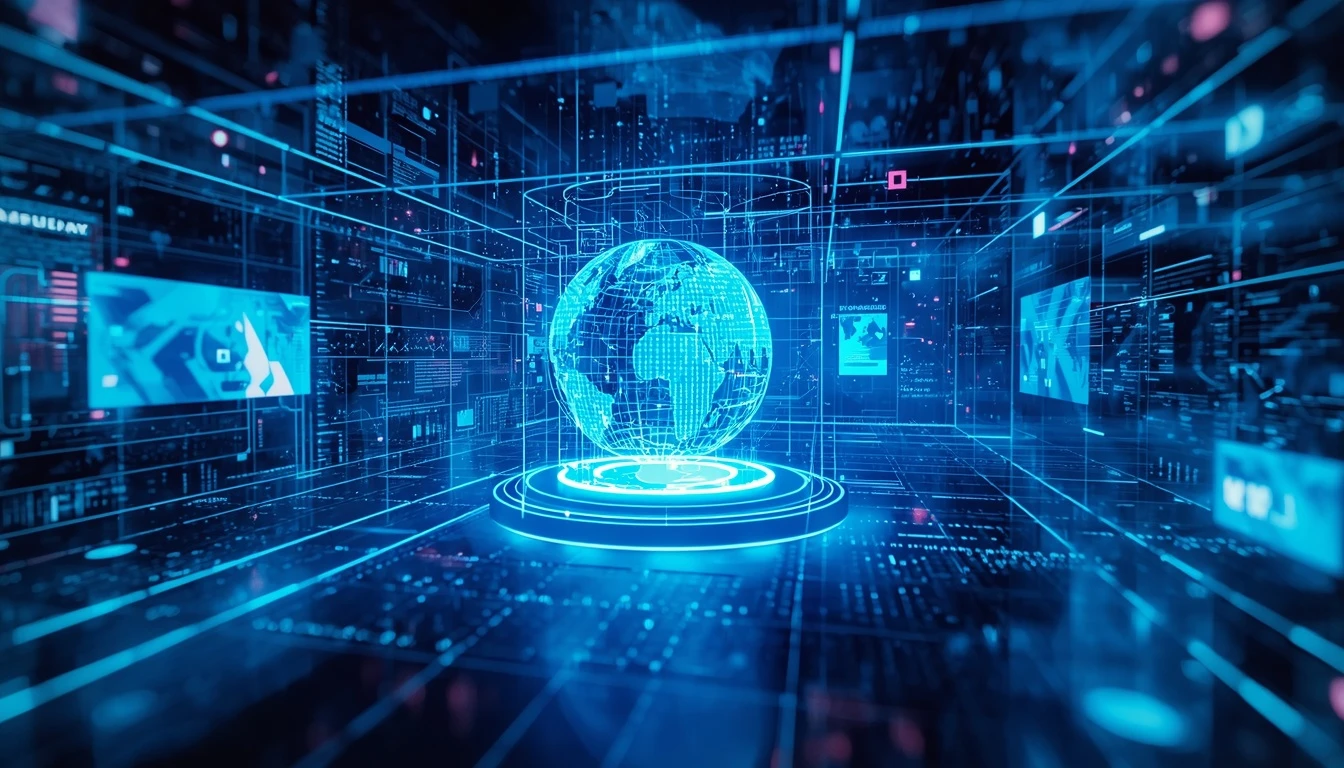
The Metaverse and Virtual Reality are not technologies limited to entertainment and computer games. These technologies can create significant changes in many aspects of everyday life. From education and social communication to commerce, tourism, and work environments, all can benefit from the capabilities of these interactive spaces.
In education, Metaverse environments make it possible to create three-dimensional classrooms. Students can be present in educational environments virtually, simulate scientific experiments, and learn complex concepts visually and practically. This is particularly important in teaching fields such as medicine, engineering, and applied sciences.
In commerce and online shopping, the Metaverse can also create a different experience. Users will be able to enter virtual stores, view products from different angles, and have an experience close to physically examining goods before purchasing them. In tourism, virtual visits to historical places, museums, and natural attractions can also make access to new experiences easier.
On the other hand, the Metaverse creates new opportunities for holding events, exhibitions, and business meetings. Users can participate in a shared environment without needing to be physically present and communicate with other people.
The Metaverse and the Future of Education, Communication, and Remote Work
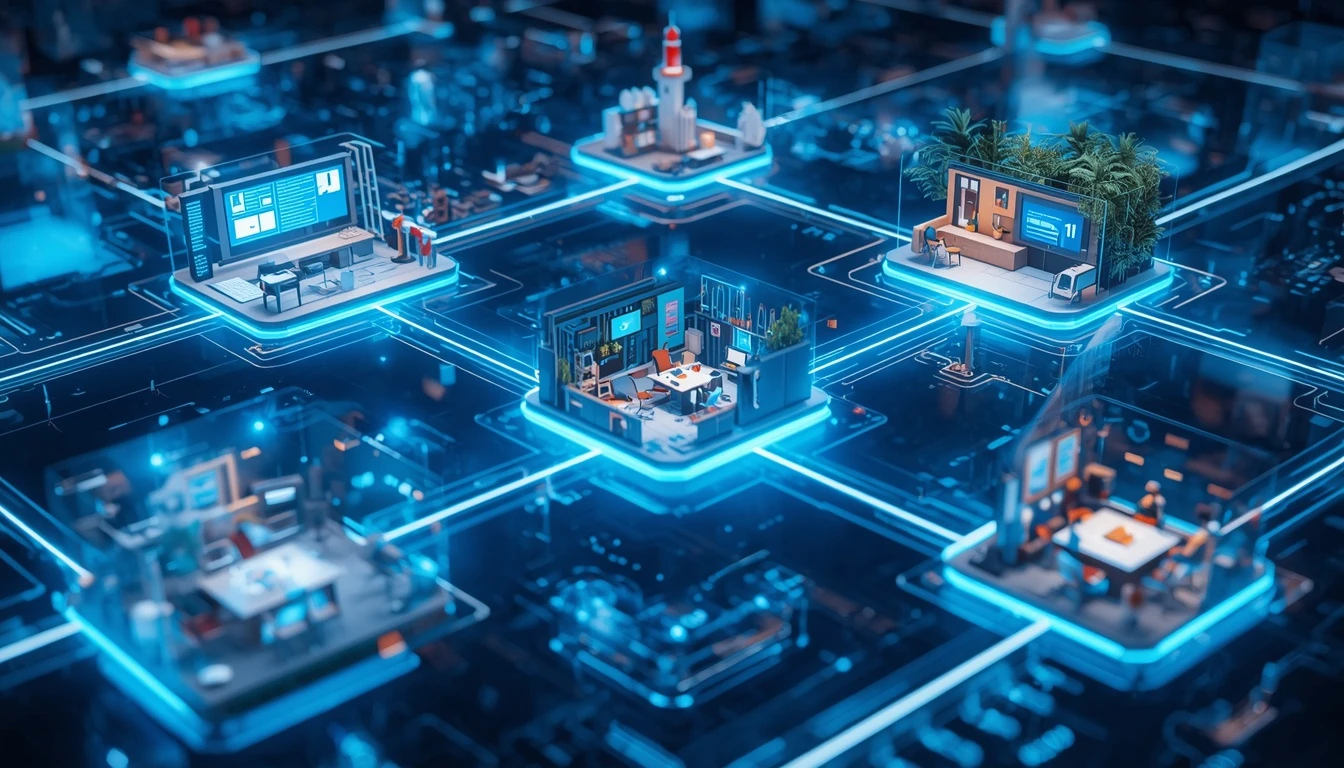
One of the most important effects of the Metaverse is changing the way people interact in educational, social, and professional environments. This technology can reduce many geographical limitations and make it possible for people to be present simultaneously in a shared digital space.
In education, Metaverse classrooms can move the learning experience beyond traditional methods. Instead of viewing educational images or videos, students will be able to enter three-dimensional environments and experience concepts interactively. To learn more about this subject, the blog Education in the Virtual World: Metaverse Classrooms and Interactive Learning examines the role of this technology in transforming educational methods.
In work environments, the Metaverse can also take the concept of remote work to a new stage. Instead of holding ordinary video meetings, team members can participate in virtual meeting rooms using three-dimensional avatars, work on shared projects, and examine documents or three-dimensional models simultaneously. This approach can bring the experience of remote collaboration closer to being present in a shared workplace. In this regard, the blog The Future of Remote Work: The End of Physical Offices? examines the possible changes in future work environments.
Social communication is another area that is influenced by the Metaverse. Users can participate in events, social spaces, and entertainment environments using personalized avatars. These interactions go beyond sending messages or making video calls and can strengthen the feeling of shared presence.
The Role of Artificial Intelligence in Developing the Metaverse
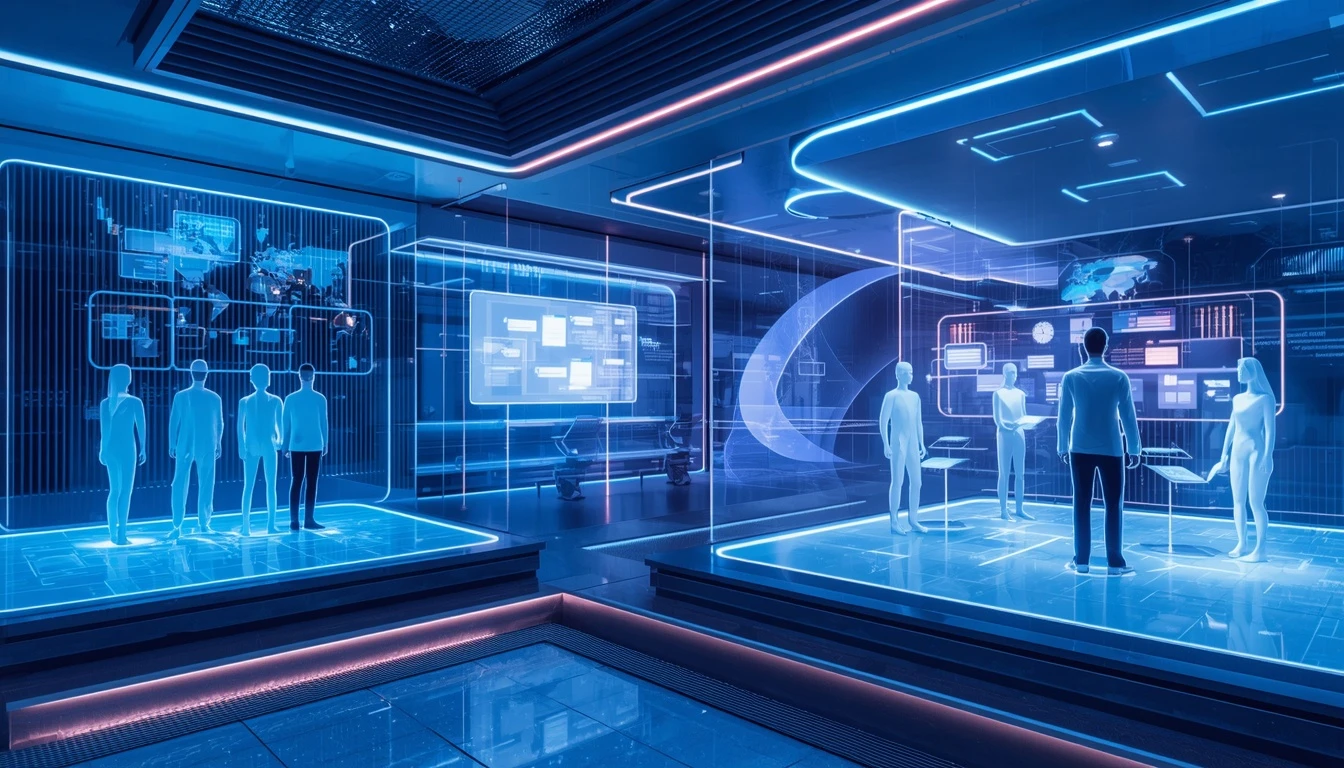
Artificial Intelligence is one of the technologies that can transform the Metaverse from a simple three-dimensional environment into a dynamic and intelligent space. In an ordinary virtual environment, many elements operate based on predetermined programming; however, with the use of Artificial Intelligence, environments and digital characters can have more natural and intelligent reactions.
One of the most important applications of Artificial Intelligence in the Metaverse is developing intelligent virtual characters. These characters can communicate with users, answer questions, analyze their behavior, and react based on environmental conditions. For example, an intelligent guide in a virtual museum can provide information related to each artwork according to visitors' questions.
Artificial Intelligence is also used in creating three-dimensional environments, producing digital content, simulating user behavior, and personalizing virtual experiences. Generative technologies can make the process of designing spaces, objects, and digital characters faster and allow developers to create more diverse environments.
On the other hand, combining Artificial Intelligence with Virtual Reality can adjust educational and professional experiences according to each user's needs. For example, an intelligent educational environment can change the difficulty level of exercises based on a student's performance.
In this journey, Pishgaman Lotus, by utilizing the capabilities of Artificial Intelligence, software development, and user experience design, can play a role in creating intelligent and interactive solutions for the new generation of digital environments.
Challenges and Limitations of Metaverse Development
Despite the extensive potential of the Metaverse and Virtual Reality, the development and widespread adoption of these technologies still face various challenges. One of the most important obstacles is the need for advanced hardware and specialized equipment. Virtual Reality headsets, powerful processing systems, and motion-tracking equipment can increase the cost of entering these environments for users.
Privacy and information security are also important issues in Metaverse development. These environments may collect extensive data about users' behavior, movements, interactions, and preferences. Therefore, protecting personal information, managing access permissions, and preventing data misuse are highly important.
Another challenge is the lack of unified standards among different platforms. For the Metaverse to become a broad and connected digital space, users must be able to move between different environments and preserve their digital assets or identities as much as possible.
Furthermore, issues such as network latency, poor internet connection quality, processing limitations, and potential fatigue caused by prolonged use of VR headsets can affect the user experience.
Solving these challenges requires the simultaneous advancement of network infrastructures, hardware, software, and security technologies. Developing common standards and designing suitable user experiences will also be important factors in the wider adoption of the Metaverse.

The Future of the Metaverse and Virtual Reality: Toward a Three-Dimensional Internet
The future of the Metaverse depends on the advancement of a collection of technologies. With the development of lighter headsets, increased processing power, improved internet speed, and advances in Artificial Intelligence, the experience of being present in virtual environments can become more natural and accessible.
One of the important future trends is moving toward a three-dimensional internet and spatial experiences. In this model, users will not only view web pages and two-dimensional content; they will be able to enter digital environments, examine products, participate in business meetings, and interact with information spatially.
On the other hand, combining the Metaverse with Augmented Reality can further reduce the boundaries between physical and digital environments. Under these conditions, digital elements can be placed alongside real objects and provide users with intelligent information and services.
The digital economy may also be influenced by this transformation. Virtual stores, digital assets, avatar-based services, and online events can create new business opportunities. However, the success of these models will depend on user adoption, infrastructure development, and the formation of reliable standards.
Ultimately, the Metaverse should not be considered merely an independent technology; rather, it should be viewed as the intersection of Virtual Reality, Artificial Intelligence, digital communication, and advanced infrastructures. The future of this technology can change the way humans interact with the internet and create an experience closer to real presence in the digital world.
Conclusion
The Metaverse, the Next Step in the Transformation of the Digital World
The Metaverse and Virtual Reality can change our definition of being present on the internet. By creating three-dimensional and interactive environments, these technologies create new opportunities in education, commerce, social communication, entertainment, and remote work. Although challenges such as information security, equipment costs, and infrastructure limitations still exist, technological progress can gradually pave the way for the wider use of these spaces.
What shapes the future of the Metaverse is not only the quality of three-dimensional images or the advancement of Virtual Reality headsets; rather, it is the intelligent combination of technologies such as Artificial Intelligence, communication networks, cloud computing, and the development of interactive software.
Pishgaman Lotus, by focusing on innovation, advanced software development, and digital solution design, can accompany businesses on the path toward creating intelligent experiences and a new generation of digital services. The world of the future will be a world in which the boundary between reality and digital space becomes less distinct every day.
Our articles:"Virtual Reality Applications in Education and Learning"
Similar Blogs
Virtual Reality and Augmented Reality; Differences and Applications

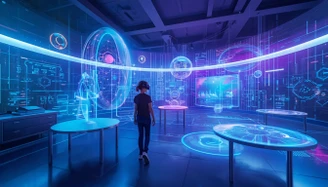
Virtual Reality Applications in Education and Learning
Virtual Reality and Artificial Intelligence; The Future of Intelligent Experiences
Have special project to begin?
Contact us if you need a unique website for your special requirements, if you think having a mobile application help you reach your business’s goals or you still do not recognize which product can help you implement your ideas. Lotus Pioneers accompany you to develop your business through consulting and by designing special products.