The Future of Remote Work: The End of Physical Offices?
The Future of Remote Work


Introduction: The Workplace Is Changing
Until a few years ago, imagining a company without a physical office was almost impossible. Employees came to a specific workplace every day, meetings were held in conference rooms, and communication between team members largely depended on being physically present.
However, the growth of high-speed internet, online collaboration tools, cloud computing, and especially artificial intelligence has changed the definition of the workplace. Today, many meetings, projects, and even management processes can be handled without employees being physically present in the same location.
As a technology company working on digital solutions and software development, Pishgaman Lotus considers this transformation an important part of the future of business—a future in which technology can significantly reduce the distance between team members.
Why Is Remote Work Becoming So Important?
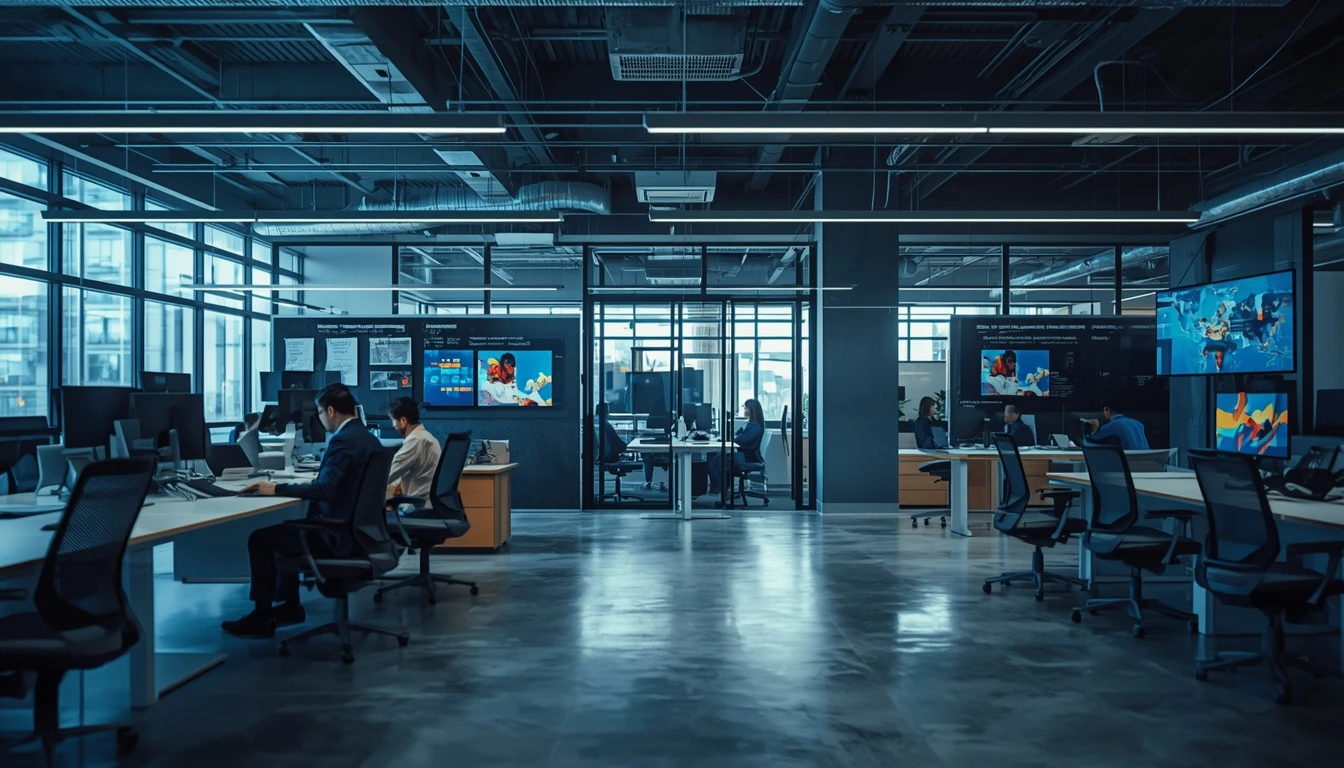
Remote work is no longer simply a temporary solution. Many companies have realized that a significant part of their daily operations does not require employees to work from a specific physical location.
Employees can access organizational systems from home or other locations, participate in online meetings, share files through cloud platforms, and manage their tasks using project management tools.
Companies can also reduce geographical limitations when recruiting skilled professionals. As a result, a company can build a team whose members live in different cities or even different countries.
This transformation means that the “workplace” is increasingly becoming a digital environment rather than a physical location.

Virtual Meetings: Replacement or Complement to In-Person Meetings?
Online meetings are one of the most important components of the digital workplace. Video conferencing tools allow teams to communicate without being physically present in the same room.
However, virtual meetings cannot always completely replace face-to-face interactions. Certain negotiations, strategic meetings, brainstorming sessions, and team-building activities may still be more effective in person.
For this reason, the future of work will probably be neither completely virtual nor completely physical. Instead, it will combine both models.
The Hybrid Work model allows companies to handle activities that require direct interaction in person while managing other tasks remotely.

Will Physical Offices Completely Disappear?
Despite the growth of remote work, the complete disappearance of physical offices is unlikely in the near future.
Offices can still serve as important spaces for strategic meetings, employee training, collaboration, and building organizational culture. Even companies that operate largely through remote teams may still need smaller and more flexible physical spaces.
Therefore, the future of offices will likely involve smart and flexible workplaces where employees use physical spaces when necessary.
In this model, employees may no longer have a permanent desk. Companies can instead organize their office space according to how many employees are working on-site on a particular day.
The Role of Artificial Intelligence in the Future Workplace
Artificial intelligence could become one of the most important technologies shaping future workplaces.
AI assistants can summarize meetings, identify assigned tasks, analyze documents, and provide team members with the information they need.
In the future, AI-powered tools could make collaboration between team members much more efficient. For example, an AI system could analyze a meeting and automatically identify key decisions, assigned responsibilities, and deadlines for the next steps.
For technology companies such as Pishgaman Lotus, which works in areas including artificial intelligence and digital solutions, these technologies can become an important part of the infrastructure of the future workplace.

Virtual Reality: The Next Step for Online Meetings?
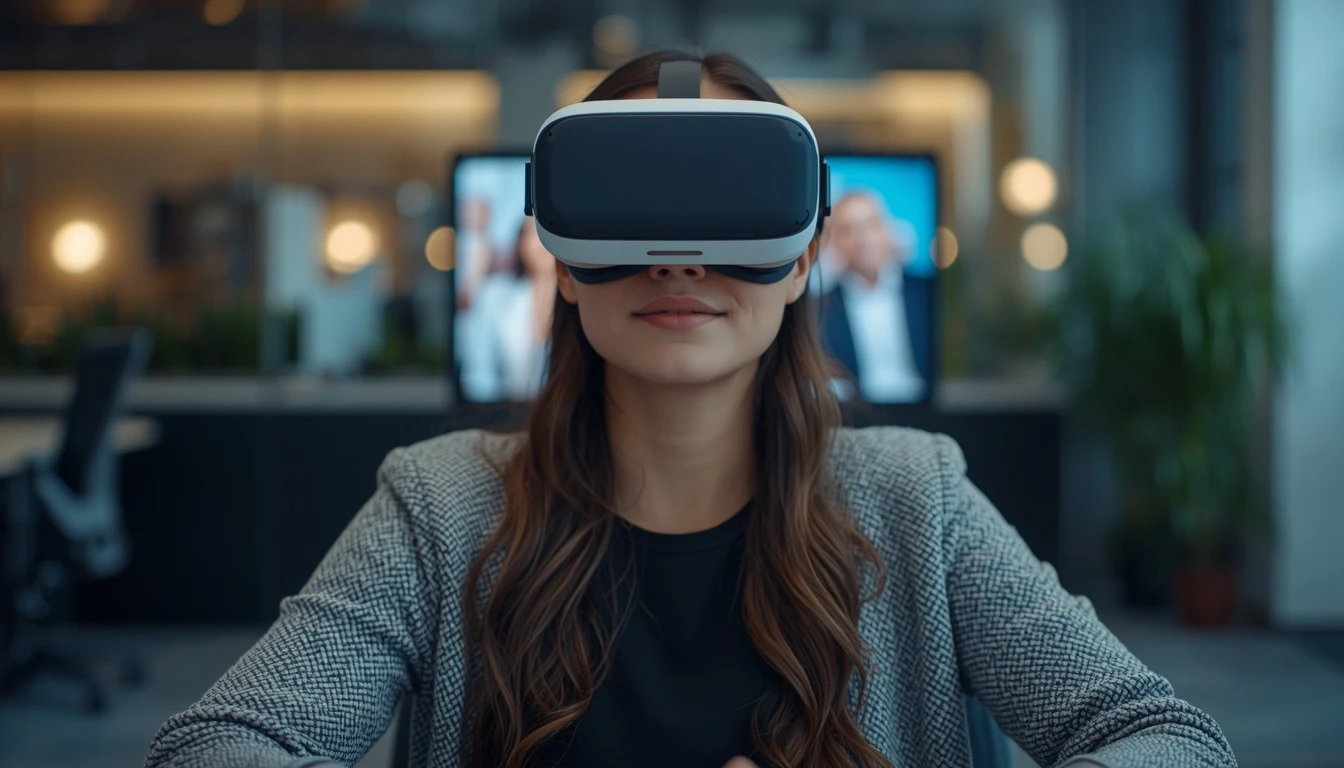
One technology that could transform the virtual meeting experience is Virtual Reality (VR).
In traditional video meetings, participants see each other through a screen. In virtual reality environments, however, team members can enter a shared three-dimensional workspace.
This technology could be particularly useful for training sessions, product design, 3D presentations, engineering projects, and other activities that benefit from immersive collaboration.
As VR headsets and related technologies continue to improve, some meetings that are currently held in physical offices may eventually take place in three-dimensional virtual environments.
Benefits of a Fully Digital Workplace
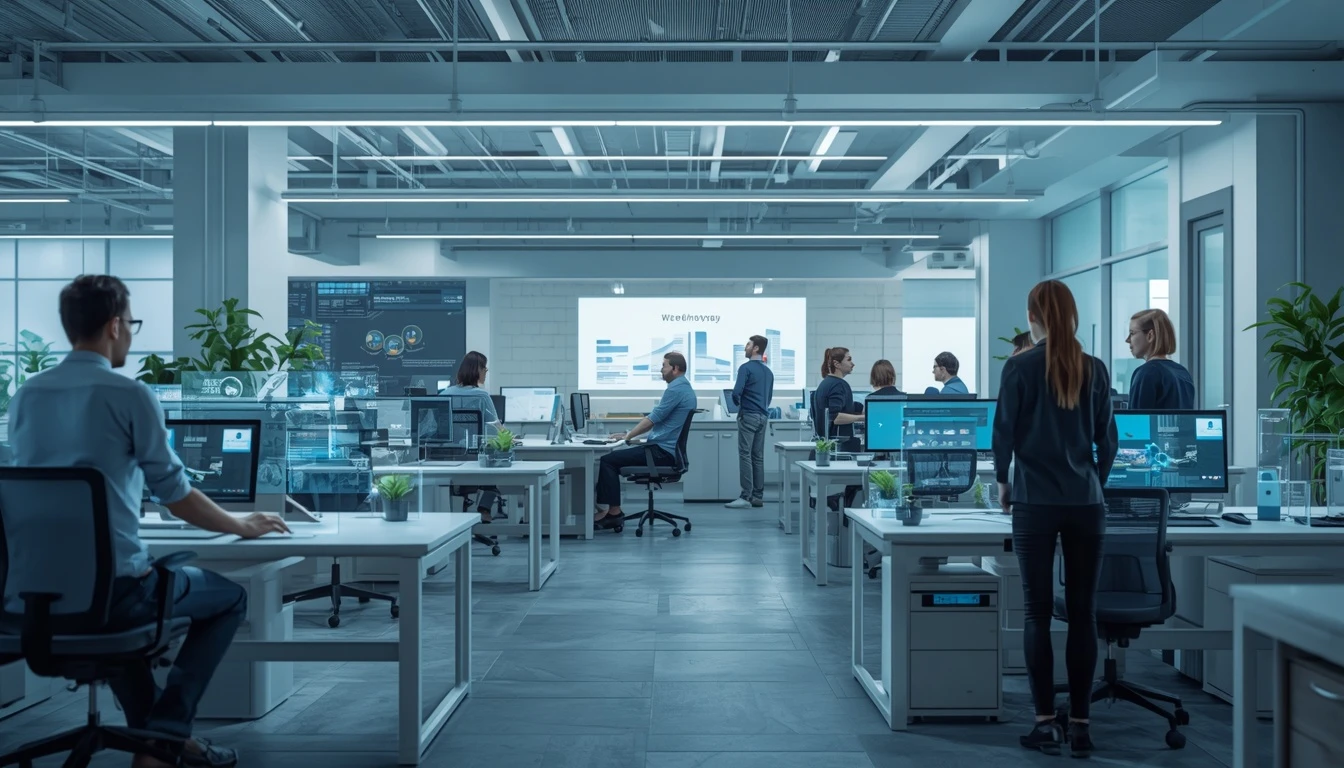
Moving toward digital workplaces can provide businesses with several advantages.
Lower office rental and maintenance costs, access to talent from different locations, reduced commuting time, and greater flexibility for employees are among the most important benefits.
Companies can also create more flexible work structures, allowing employees to choose where and when they work based on the nature of their responsibilities.
However, the success of this model depends on reliable infrastructure, effective management, and the right digital collaboration tools.
Challenges of Remote Work and Virtual Meetings
Remote work also comes with challenges. Reduced social interaction, difficulties in maintaining organizational culture, communication problems, and dependence on reliable internet infrastructure are some of the main concerns.
Too many online meetings can also lead to digital fatigue. Companies therefore need to create a balance between meetings, asynchronous communication, and focused working time.
Data security is another critical consideration. When employees connect to organizational systems from different locations, appropriate security measures are essential to protect sensitive business information.

The Future: Less Office, More Technology
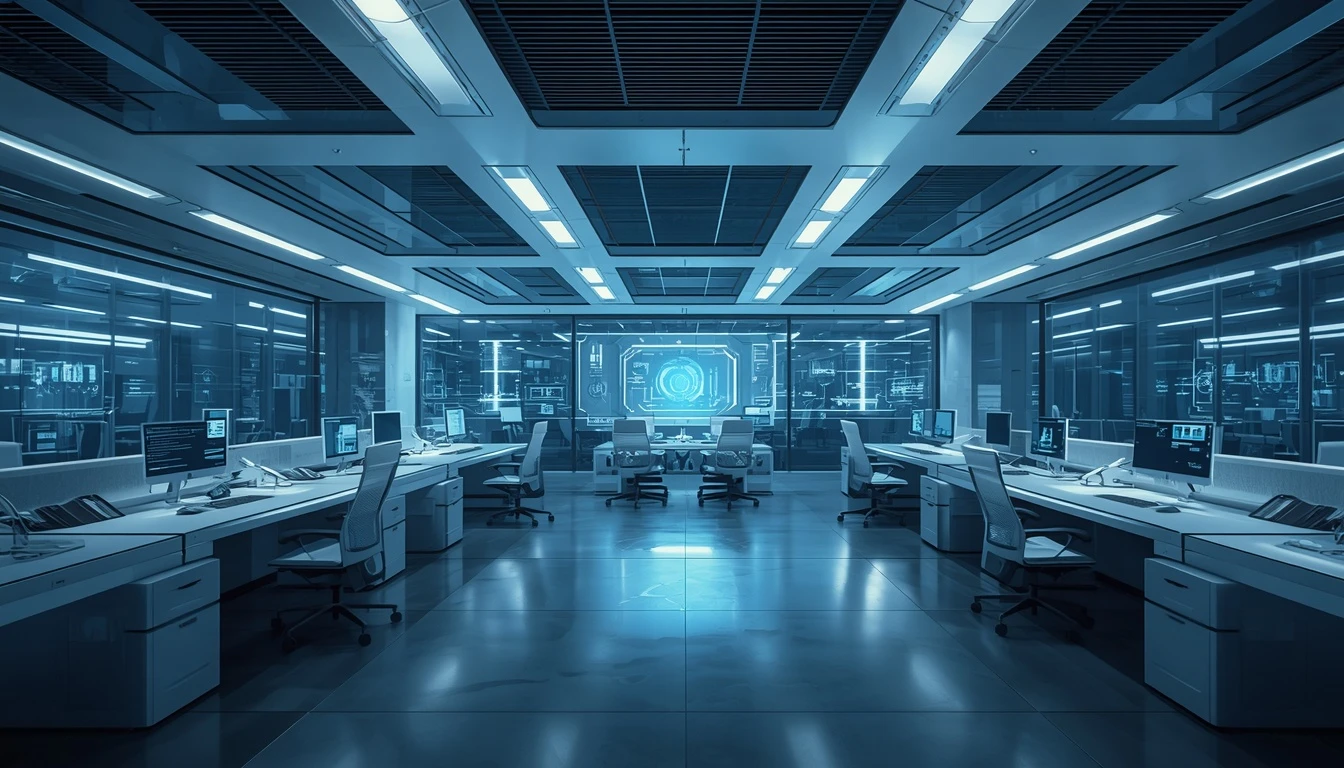
The future of work is likely to be less about eliminating offices and more about redefining what an office means.
Future offices will probably be smaller, smarter, and more flexible. Employees may spend part of their working time remotely and part of it in a physical workplace.
At the same time, artificial intelligence, virtual reality, cloud collaboration platforms, and digital management systems will play a larger role in connecting teams.
In this environment, businesses that successfully combine technology with the real needs of employees and customers will be better prepared for the future. Pishgaman Lotus can support this transformation by providing software development, artificial intelligence, and digital solutions that help businesses build smarter and more flexible workplaces.
Conclusion
Physical offices are unlikely to disappear completely, but their role will change. The workplace of the future will combine physical and digital environments, allowing employees to collaborate without being completely dependent on a specific location.
Virtual meetings, artificial intelligence, virtual reality, and cloud-based collaboration tools will continue to accelerate this transformation.
Ultimately, the most successful companies will not necessarily be those that eliminate their offices. They will be the companies that understand when to work in person and when to work digitally.
With its focus on emerging technologies and digital solutions, Pishgaman Lotus can help businesses move toward smarter, more flexible, and future-ready work environments.
Our articles:"Education in the Virtual World: Metaverse Classrooms and Interactive Learning"

Have special project to begin?
Contact us if you need a unique website for your special requirements, if you think having a mobile application help you reach your business’s goals or you still do not recognize which product can help you implement your ideas. Lotus Pioneers accompany you to develop your business through consulting and by designing special products.