
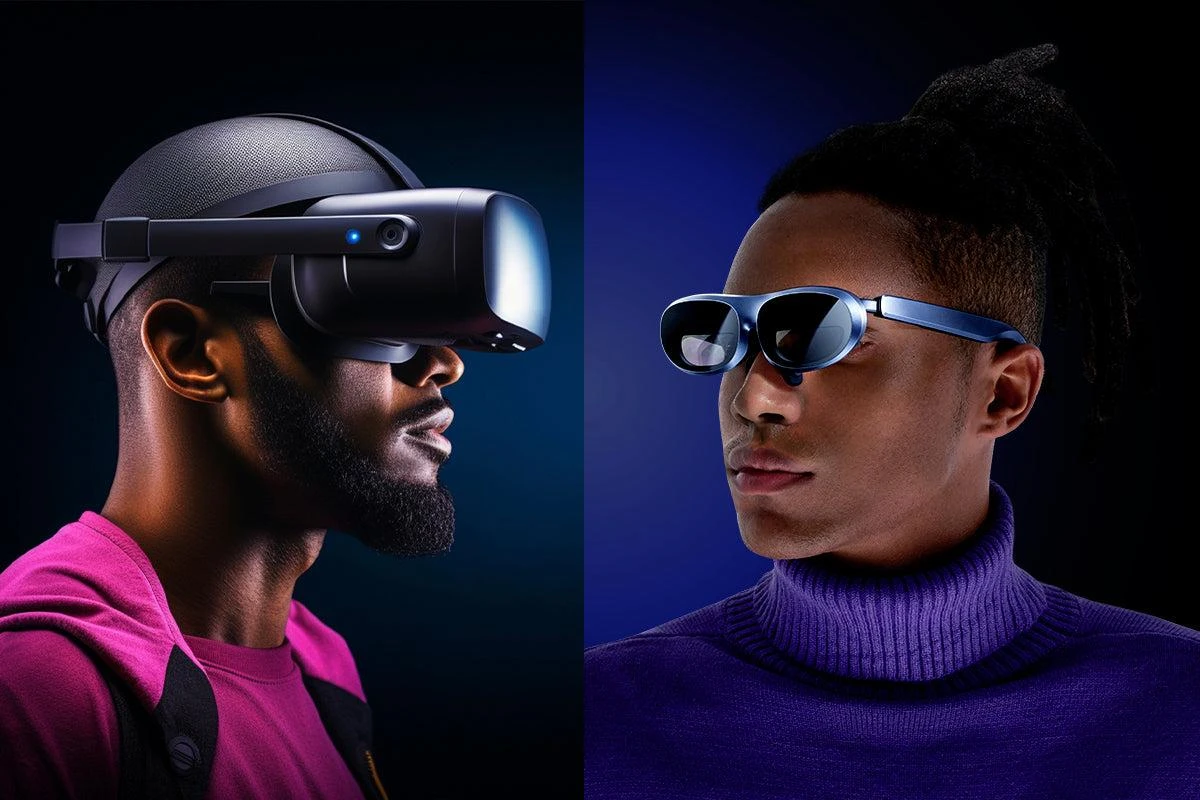
Introduction: Where Reality Gets Redefined
Technology is evolving at an unprecedented pace, and among its most transformative innovations, Virtual Reality (VR) and Augmented Reality (AR) stand out as game changers. These technologies are no longer limited to displaying content on screens—they immerse users in environments they can interact with, explore, and even live within.
The latest generation of VR and AR headsets has gone far beyond hardware improvements. They are fundamentally reshaping user experience, blurring the boundaries between the physical and digital worlds. Companies like Pishgaman Lotus are actively analyzing these advancements and integrating them into innovative, real-world solutions.
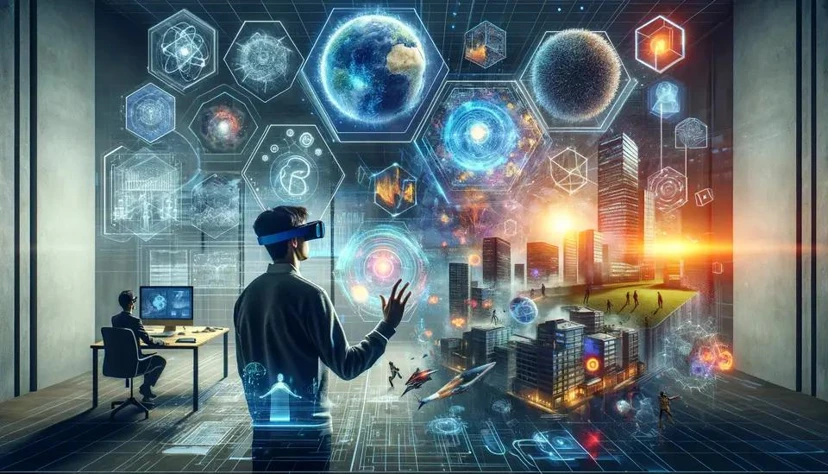
Design Evolution: From Bulky Devices to Natural Experiences
Early VR headsets were often heavy, uncomfortable, and restrictive. Today’s devices, however, are designed with ergonomics in mind—lighter materials, better weight distribution, and improved ventilation systems have made long-term usage far more comfortable.
Modern AR headsets also emphasize transparency and seamless blending of digital elements with the real world. The result is a more natural and less intrusive experience.
These improvements have shifted VR and AR from being purely entertainment tools into practical solutions across industries such as healthcare, education, and manufacturing—areas where Pishgaman Lotus is actively contributing with innovative implementations.
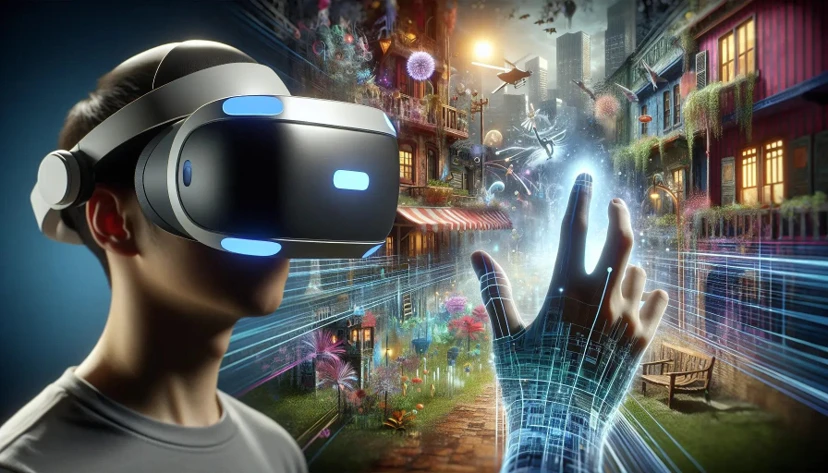
Display Quality: When Every Detail Matters
Display technology is one of the most critical factors shaping user experience. New headsets offer ultra-high resolutions, faster refresh rates, and wider fields of view, creating incredibly realistic visuals.
In VR, the “screen door effect” has been significantly reduced, resulting in sharper and more immersive imagery. In AR, brighter and more advanced transparent displays allow effective use even in outdoor environments.
This level of visual fidelity is essential not only for gaming but also for professional use cases such as 3D design, industrial simulations, and advanced training programs. Development teams at Pishgaman Lotus leverage these capabilities to build deeply engaging digital experiences.
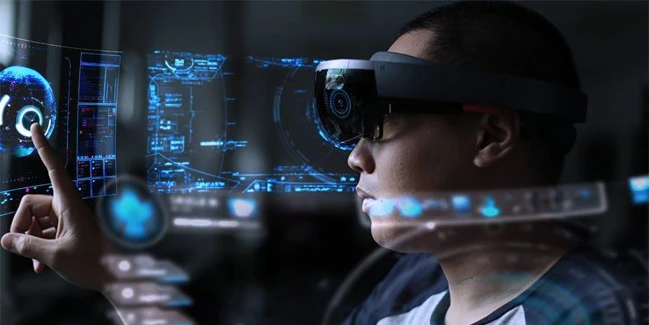
Interaction & Control: Touching the Future Without Touch
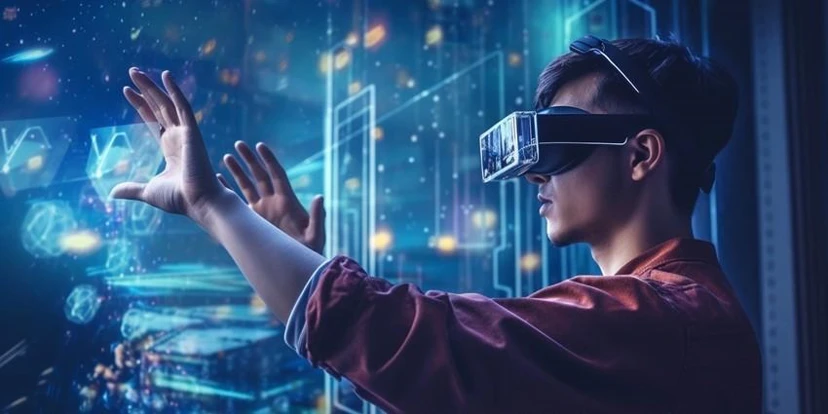
User interaction has evolved far beyond traditional controllers. Technologies like hand tracking, eye tracking, and voice commands are making interactions more intuitive and natural.
Users can now manipulate objects, navigate menus, and even type in virtual environments using simple gestures. This significantly enhances the sense of presence.
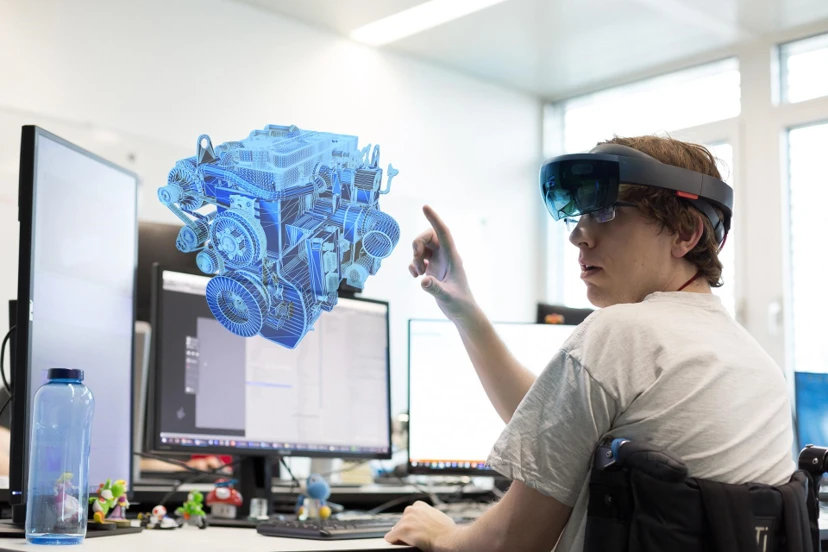
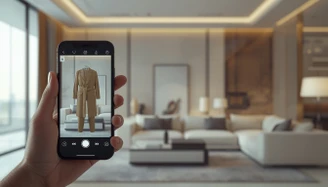
In AR, interaction becomes even more powerful by combining real and digital environments. Imagine placing a 3D model on your real desk and interacting with it in real time—this is already being implemented in innovative projects by Pishgaman Lotus.
Performance & Processing: The Hidden Power Behind the Experience
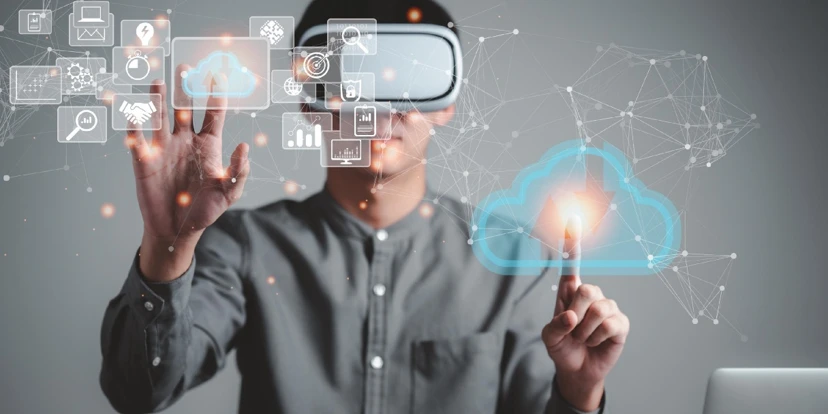
Modern headsets are powered by advanced processors, dedicated chips, and even cloud computing capabilities. This allows complex graphics to be rendered smoothly with minimal latency.
Low latency is crucial for preventing motion sickness and ensuring user comfort. Additionally, artificial intelligence is increasingly being used to optimize performance and personalize experiences.
The combination of VR/AR with AI is one of the strongest emerging trends, and companies like Pishgaman Lotus are actively exploring this convergence in their product development strategies.
Applications: Beyond Entertainment
While VR and AR were initially popularized through gaming, their applications now extend far beyond entertainment.
In education, students can experience complex concepts in immersive ways. In healthcare, surgeons can simulate procedures before performing them. In industry, engineers can analyze complex models without physical prototypes.
These technologies are no longer optional—they are becoming essential tools for innovation. Organizations like Pishgaman Lotus are at the forefront of transforming these possibilities into practical solutions.
The Ultimate User Experience: What Makes a Headset Stand Out?
The best headsets are not defined by a single feature but by a balance of multiple factors—comfort, display quality, interaction precision, performance, and content ecosystem.
Users today are not just looking for devices; they are looking for complete, seamless experiences. The headsets that successfully deliver this integration will lead the market.
Conclusion: A Future Already in Motion
The latest VR and AR headsets clearly show that the future of technology lies in immersive, interactive experiences rather than traditional screens.
These devices are redefining how we learn, work, and connect. As hardware and software continue to evolve, the line between physical and digital reality will become even thinner.
In this rapidly advancing landscape, companies like Pishgaman Lotus play a crucial role in shaping the future by turning cutting-edge technology into meaningful, real-world applications.
The future is no longer something we wait for—it is something we are already living in.
Our articles:"The AI Data Revolution with Blockchain"
Similar Blogs
Have special project to begin?
Contact us if you need a unique website for your special requirements, if you think having a mobile application help you reach your business’s goals or you still do not recognize which product can help you implement your ideas. Lotus Pioneers accompany you to develop your business through consulting and by designing special products.