The AI Data Revolution with Blockchain
The AI Data Revolution with Blockchain
Introduction
In the era of digital transformation, Artificial Intelligence (AI) and Blockchain stand as the two foundational pillars of future technology. AI redefines industries through its ability to learn, analyze massive datasets, and deliver accurate predictions. However, to achieve high accuracy and efficiency, these algorithms require a continuous feed of high-quality, authentic, and comprehensive training data.
On the other hand, blockchain uses decentralized infrastructure and distributed ledgers to guarantee data security, transparency, and immutability. Industry leaders, including Pishgaman Lotus, emphasize that synergizing these two technologies directly solves the greatest challenge of the AI era: lack of data trust, privacy risks, and intellectual property infringement.
Current Challenges of AI Training Data
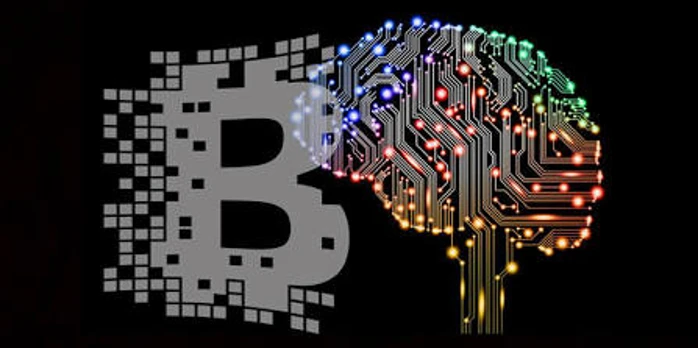
Machine learning developers handle vast amounts of data daily, but collecting and storing this data comes with critical vulnerabilities:
Data Lineage Opacity: It is often unclear where the data originated and whether it was tampered with in transit.
Privacy Violations: Unauthorized harvesting of personal information, images, and text to train models creates severe ethical and legal risks.
Intellectual Property (IP) Theft: Original data creators rarely receive royalties or recognition for the massive economic value generated by AI models.
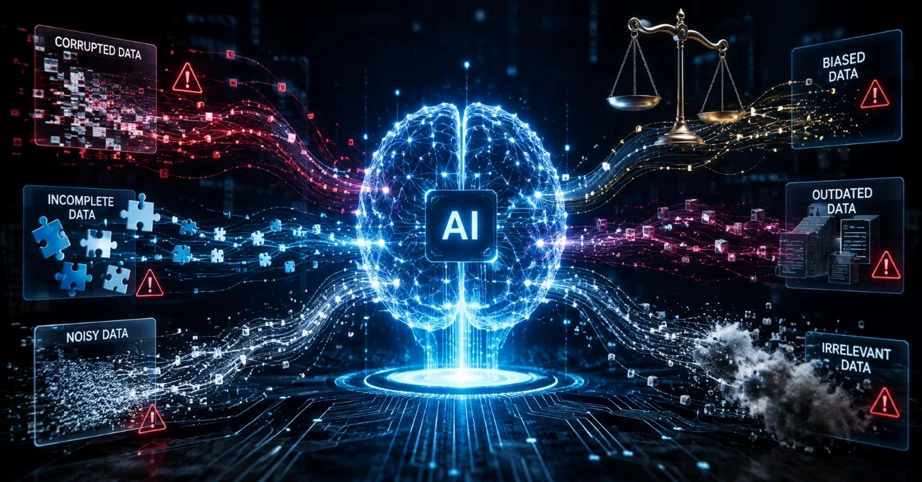
Data Poisoning Attacks: Malicious actors can introduce corrupted or biased data into training sets to compromise model integrity and cause critical errors.
How Blockchain Secures Training Data
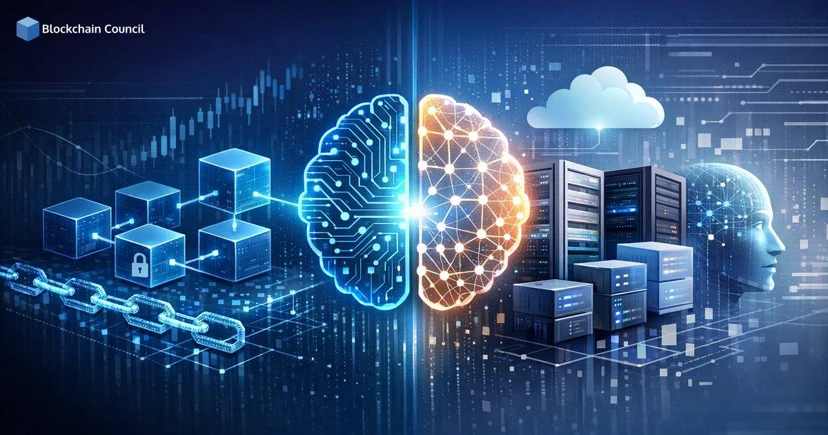
Blockchain technology leverages distributed ledgers, cryptographic algorithms, and decentralized architectures to provide innovative solutions to these challenges. Technical experts at Pishgaman Lotus highlight that combining blockchain with AI establishes a fully verifiable chain of trust.
Key Mechanisms:
Data Provenance & Cryptographic Proofs: Before entering the training pipeline, every dataset is hashed and logged on the blockchain. This unique cryptographic fingerprint ensures any tampering attempt is instantly detected.
Smart Contracts for Access Control: Smart contracts automate data access based on pre-defined permissions. Furthermore, creator compensation and licensing fees are executed automatically and transparently without intermediaries.
Blockchain-Based Federated Learning: AI models can be trained locally across user devices without centralizing raw personal data. The blockchain securely coordinates and aggregates model updates across the network.

Traditional AI vs. Blockchain-Powered AI
1. Data Security & Resilience
Traditional AI: Data is stored in centralized servers, creating a Single Point of Failure (SPOF) that attracts cyberattacks and data leaks.
Blockchain AI: Data is distributed across a decentralized network. Modifying entries requires network consensus, making the system immune to single-point breaches and tampering.
2. Transparency & Auditability
Traditional AI: Model training and data sources operate as a "Black Box." Users cannot verify which specific data generated a given output.
Blockchain AI: The entire data lifecycle, permissions, and training iterations are logged on a transparent ledger, making audits straightforward.
3. Data Ownership & Monetization
Traditional AI: Big tech conglomerates retain full ownership and monetary gain from user data, excluding original creators from the financial upside.
Blockchain AI: Data creators maintain sovereign ownership. Tokenized ecosystems allow automatic micropayments directly to data providers whenever their data is used.
4. Authenticity & Verification
Traditional AI: Verifying data integrity relies on slow, expensive human reviews or third-party intermediaries.
Blockchain AI: Authenticity is validated in real time using algorithmic consensus mechanisms.
Future Outlook and Industry Leadership
As global technological advancement accelerates, building secure and intelligent infrastructure has become a top priority for forward-thinking enterprises. Pishgaman Lotus actively leverages the convergence of blockchain and AI to build reliable, scalable infrastructure for modern applications.
In the near future, decentralized data marketplaces will allow individuals and organizations to share training datasets securely while retaining full ownership and receiving fair compensation.
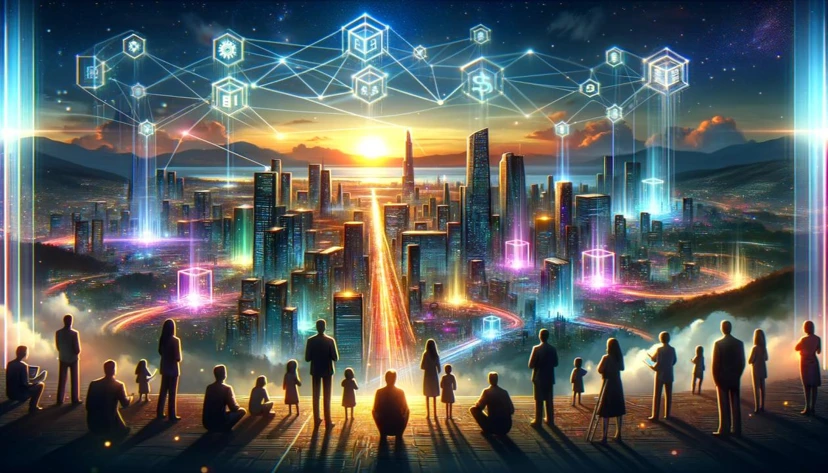
Conclusion
The fusion of AI and blockchain is not a passing trend; it represents a fundamental paradigm shift in how data is stored, validated, and utilized. As the lifeblood of intelligent systems, training data demands a secure mechanism to prevent tampering, exploitation, and centralized monopolies.
By delivering unmatched transparency, end-to-end data provenance, automated smart contracts, and privacy preservation, blockchain provides a robust foundation for next-generation AI. Pishgaman Lotus affirms that adopting this decentralized framework paves the way for AI systems that are not only powerful and accurate, but also ethical, transparent, and trustworthy.
Our articles:"The Transformation of Surgery with Smart Glasses and Artificial Intelligence"
Similar Blogs
Blockchain Layer 2 Solutions: Increasing Transaction Speed and Reducing Fees

Blockchain and AI: Security and Transparency in AI Training Data
The Silent Financial Revolution: Real-World Assets on the Blockchain!
Have special project to begin?
Contact us if you need a unique website for your special requirements, if you think having a mobile application help you reach your business’s goals or you still do not recognize which product can help you implement your ideas. Lotus Pioneers accompany you to develop your business through consulting and by designing special products.