The Transformation of Surgery with Smart Glasses and Artificial Intelligence
The Transformation of Surgery with Smart Glasses and Artificial Intelligence


Introduction: A Future That Has Already Begun
In today’s world, technology is no longer just a tool; it has become an integral part of critical decision-making. One of the most exciting advancements in the medical field is the use of Augmented Reality (AR) in education and surgery.
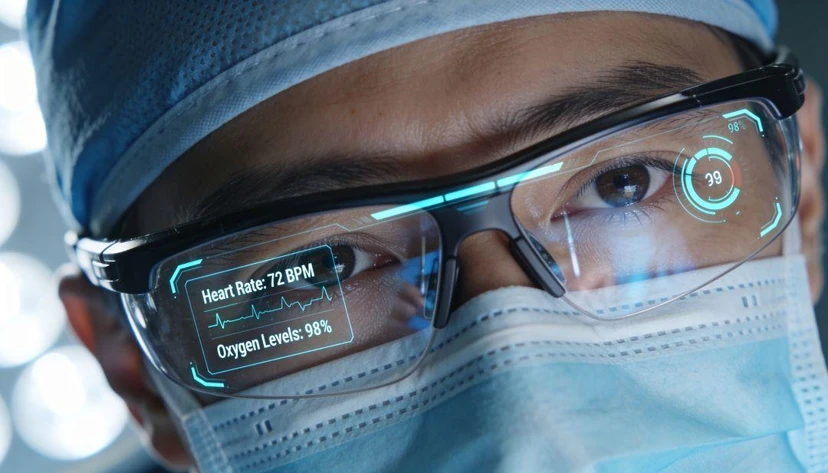
AR smart glasses enable doctors to view vital information directly within their field of vision—without taking their eyes off the patient. Companies like Pishgaman Lotus, by focusing on developing innovative solutions, are helping drive this transformation forward.
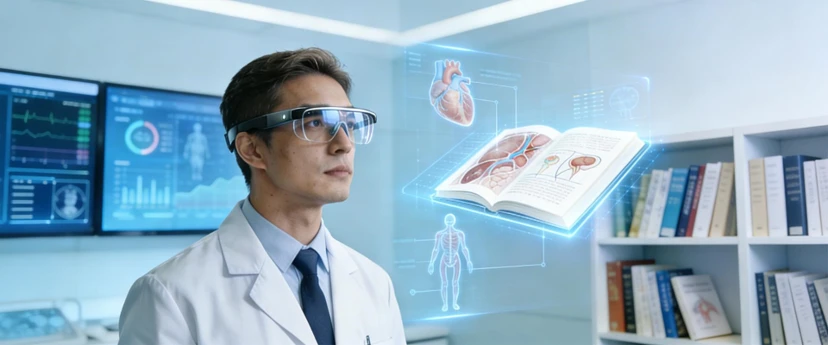
What Is Augmented Reality (AR) and How Does It Work?
Augmented Reality is a technology that overlays digital information onto the real world. Unlike Virtual Reality (VR), where users are immersed in a fully digital environment, AR allows users to see the real world enhanced with additional data.
How it works:
Using cameras and sensors to understand the environment
Processing data through specialized software
Displaying information as holographic visuals in the user’s field of view
In the medical field, this means:
Visualizing internal body structures without making incisions
Accessing real-time patient data
Receiving precise guidance during surgical procedures
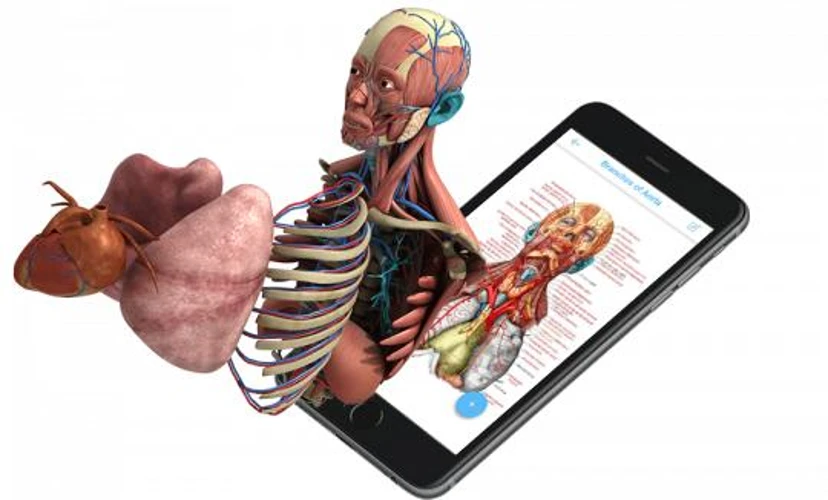
The Role of AR in Medical Education
Medical education is one of the most demanding and sensitive learning paths. AR is transforming this journey.
Benefits:
Interactive learning: Students can explore organs in 3D
Error reduction: Practice in simulated environments without risk to patients
Accessibility: Enables remote learning opportunities
Platforms developed by companies like Pishgaman Lotus can provide students with highly realistic, immersive educational experiences.
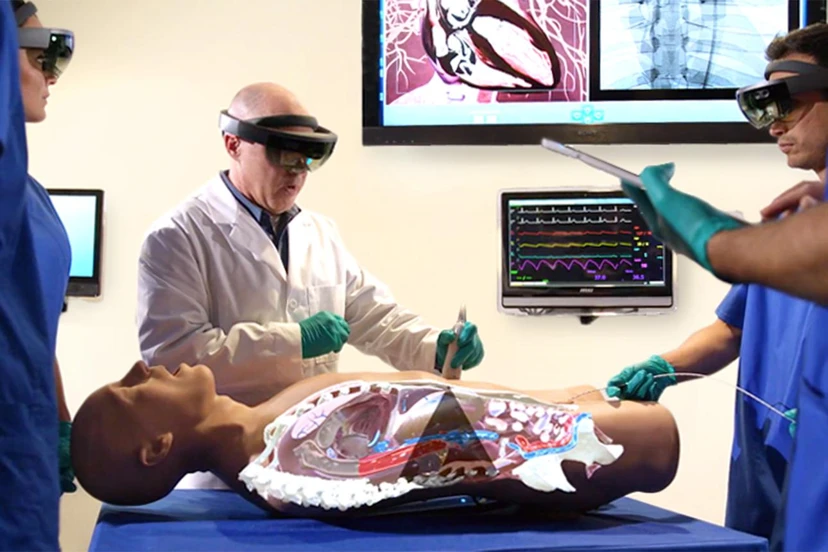
Applications of AR in Advanced Surgeries
In the operating room, every second and every millimeter matters. AR helps surgeons perform with unprecedented precision.
Key applications:
Visualizing exact paths of veins and nerves
Assisting in complex surgeries such as brain and heart procedures
Reducing surgery time
This technology can significantly reduce errors and improve treatment outcomes.
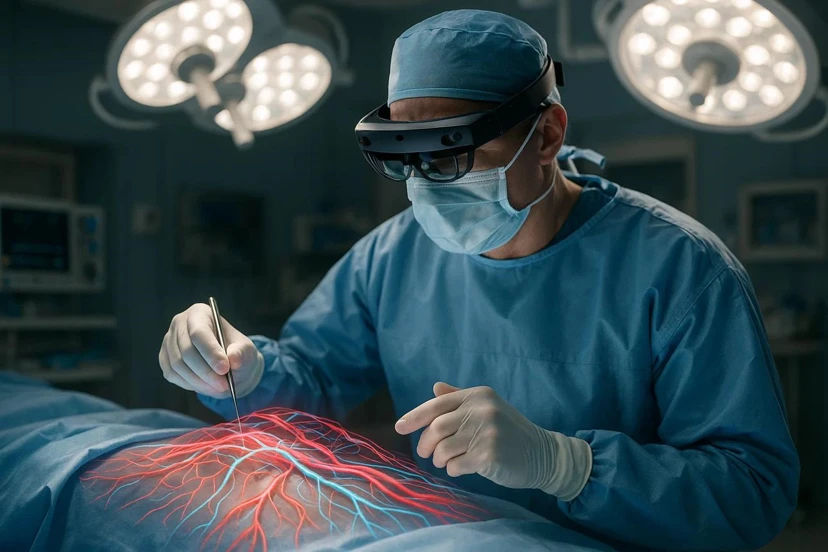
Smart Glasses: The Key Tool of Transformation
Smart glasses such as Microsoft HoloLens are among the devices bringing AR into real-world medical practice.
Capabilities:
Real-time display of patient information
Integration with hospital systems
Enabling remote consultations with other physicians
Pishgaman Lotus can turn such hardware into practical solutions by developing specialized software tailored to medical needs.
Advantages and Challenges
Advantages:
Increased surgical precision
Reduced human error
Improved medical training
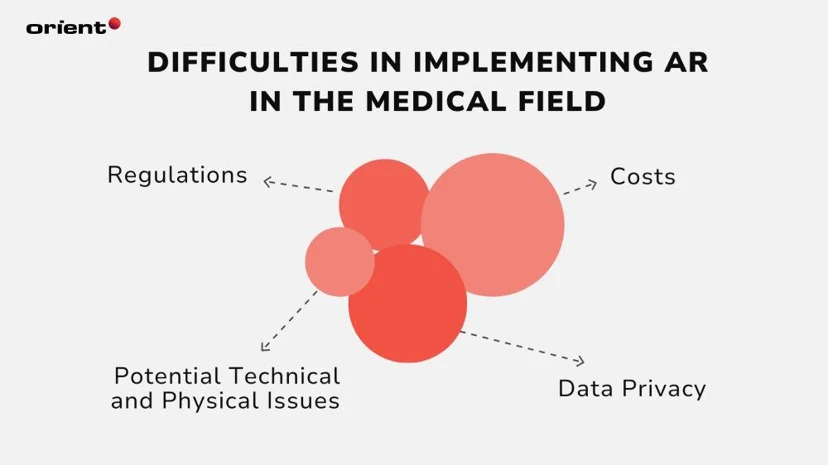
Challenges:
High costs
Need for strong infrastructure
Data privacy concerns
However, with technological advancements and the involvement of companies like Pishgaman Lotus, many of these challenges are gradually being addressed.
The Future of Surgery with AR
The future of medicine with AR is incredibly promising. When combined with Artificial Intelligence, it can:
Enable automated surgeries
Accelerate disease diagnosis
Enhance patient experience
In this journey, companies like Pishgaman Lotus will play a crucial role in developing infrastructure and delivering innovative solutions.

Conclusion
Augmented Reality is no longer a luxury technology—it has become a necessity in the medical field. From educating students to performing complex surgeries, AR is pushing the boundaries of what is possible.
If this trend continues, in the near future, the use of smart glasses in operating rooms will become a standard—and companies like Pishgaman Lotus will play a key role in shaping that future.
Our articles:"Unbounded Reality: The Ultimate Guide to Cross-Platform AR for Mobile, Web, and Smart Glasses"
Similar Blogs



Have special project to begin?
Contact us if you need a unique website for your special requirements, if you think having a mobile application help you reach your business’s goals or you still do not recognize which product can help you implement your ideas. Lotus Pioneers accompany you to develop your business through consulting and by designing special products.