AR and Generative AI: The Future of Augmented Reality
AR and Generative AI

Introduction
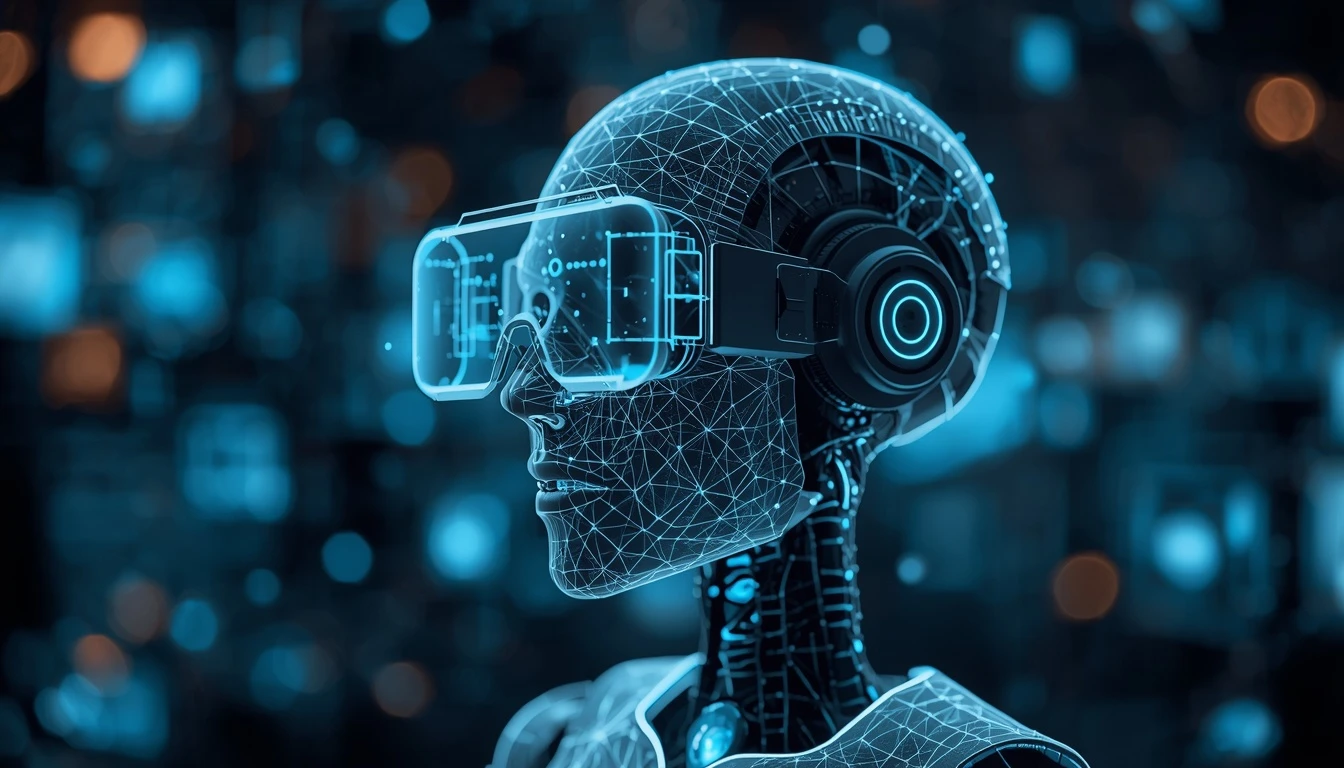
Augmented Reality (AR) has evolved beyond entertainment in recent years and has become an important technology in education, advertising, design, industry, and user experience. However, combining AR with Generative AI can create a new generation of interactive experiences where digital content is no longer designed as a fixed element in advance, but can instead be generated and modified in real time based on the user's needs and surrounding environment.
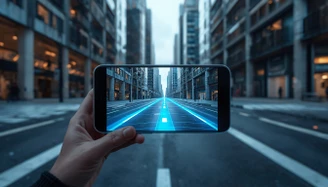
Imagine pointing your smartphone or smart glasses at an empty space and having AI create a 3D object that fits the environment within seconds. Or imagine being able to change the appearance, color, or functionality of a virtual object using a simple text or voice command. This is where AR and Generative AI come together. At Pishgaman Lotus, focusing on such technologies can also help create new opportunities for developing intelligent digital products and next-generation interactive experiences.
How Does Generative AI Transform AR?
In traditional AR systems, many of the objects, animations, and effects users see are created in advance by designers and developers. As a result, the type and amount of available content are largely limited to the assets already included in the application.
Generative AI can reduce this limitation. Generative models can create new content based on text, images, audio, or even environmental information.
For example, a user could request:
"Place a modern wooden table in this space."
The system could generate a suitable 3D model, adapt its dimensions to the environment, and place it virtually within the real-world space.
As a result, AR can evolve from a system that displays pre-built content into an interactive content-generation system. This approach is one of the areas that can be considered in future Pishgaman Lotus projects for developing AI-powered solutions and intelligent digital experiences.
Creating 3D Objects in Real Time
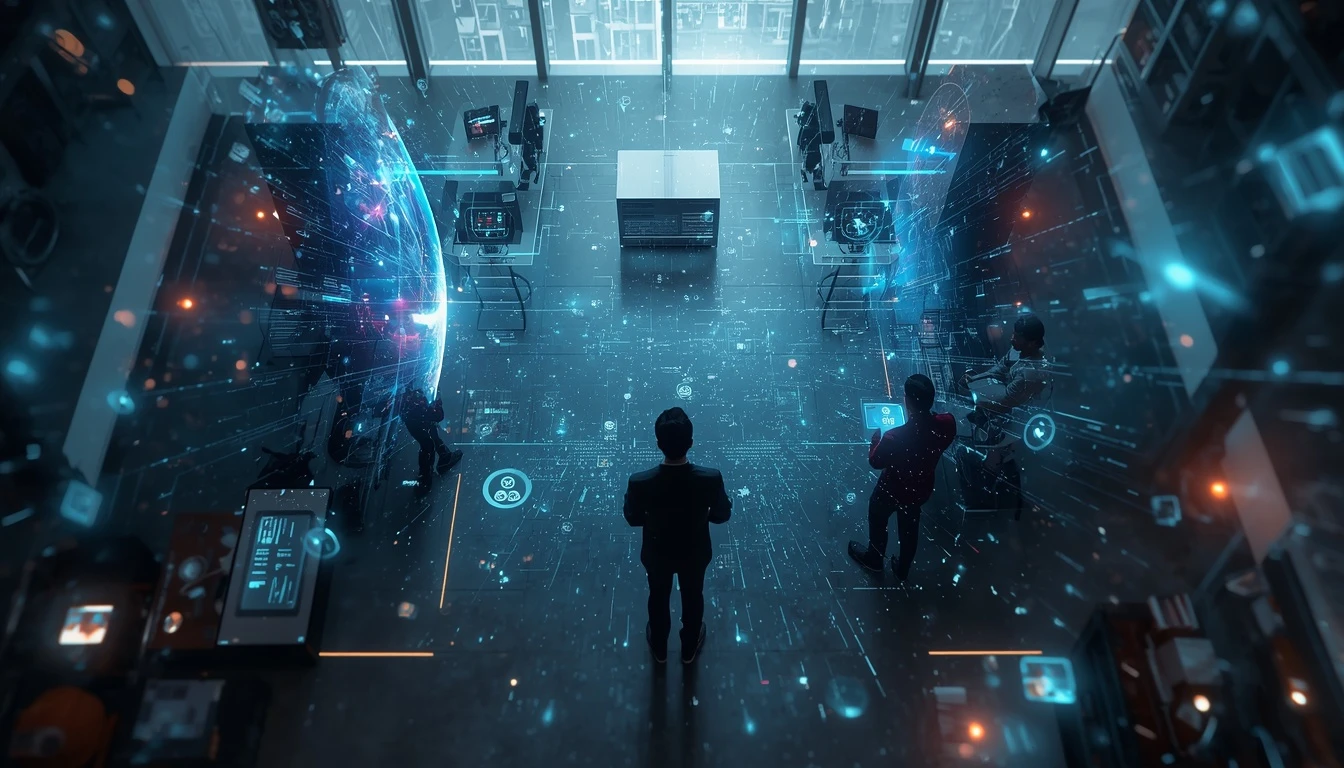
One of the most exciting applications of this technology is the rapid and dynamic generation of 3D models.
In the past, creating a high-quality 3D model required significant time, specialized software, and professional expertise. Today, advanced AI models can generate 3D models from text descriptions or images and modify existing models much more efficiently.
This capability is particularly important for AR because instead of storing a large number of pre-built models, part of the content can be generated on demand.
For example, in a furniture store, users could select a product and see different versions of it in their real home. They could change its color, material, dimensions, or design style and immediately see the result through AR.
For product development teams such as Pishgaman Lotus, these capabilities can create new opportunities for developing experiences in e-commerce, product design, and interactive applications.

Intelligent Generation of AR Effects
The combination of Generative AI and AR is not limited to 3D objects. Visual and environmental effects can also be generated dynamically.
For example, an application can analyze the user's surroundings and generate effects based on the available environment. In an urban setting, the system could place specific digital elements on buildings, while in a natural environment, it could create effects that interact with trees, terrain, or the sky.
Social media platforms could also use this capability to create a new generation of intelligent filters that are dynamically generated based on each user's environment.
These types of dynamic experiences provide an excellent opportunity to combine UI/UX design, application development, and artificial intelligence, areas that are also important in the digital solutions developed by Pishgaman Lotus.

The Role of AI in Understanding the Environment
For AR content to appear realistic, the system must accurately understand the physical environment.
This is where technologies such as Computer Vision, image processing, object detection, and depth analysis become important. AI can identify the location of the ground, walls, different objects, and the elements that belong to the real-world environment.
After analyzing the environment, the system can align generated content with real-world conditions. This alignment allows virtual objects to appear as a natural part of the environment rather than simply being placed on top of the camera image.
Developing such systems requires the integration of multiple technologies, and Pishgaman Lotus can leverage its software development and AI expertise to contribute to intelligent solutions based on environmental and image analysis.
Interacting with AI-Generated Content Through Natural Language
One of the most important changes introduced by Generative AI is the ability to interact with AR environments using natural language.
In traditional AR experiences, users typically interact with content through screen touches or predefined options. However, in systems powered by Generative AI, users can communicate with virtual content and ask it to perform specific actions.
For example:
"Change this car to red."
"Show me a sportier version of this design."
"Make this product smaller."
The system can interpret the request and modify the AR content in real time.
This interaction model reduces the gap between the user interface, artificial intelligence, and the physical environment, and it can play an important role in designing intelligent products by companies such as Pishgaman Lotus.

Applications of AR and Generative AI
The combination of these two technologies can have a wide range of applications.
E-Commerce and Retail
Users can view and customize products in their real environment before making a purchase. For example, changing the color, material, or dimensions of a product can be displayed interactively through AR. This capability can also be considered in the development of online stores and digital experiences by Pishgaman Lotus.
Education
In education, complex concepts can be transformed into interactive 3D models. Students can examine a structure from different angles and request additional information using text or voice commands.
Architecture and Design
Architects and designers can test different ideas more quickly in real-world environments and use AI to generate multiple versions of a design.
Industry and Maintenance
In industrial environments, AR can display equipment information directly on physical machines, while AI can analyze images and equipment conditions to provide context-aware guidance.
Advertising and Marketing
Brands can create campaigns in which content is dynamically generated for each user or environment, resulting in a more personalized advertising experience. Combining these technologies can create new opportunities for Pishgaman Lotus to develop digital and advertising solutions.
Challenges of Combining AR and Generative AI
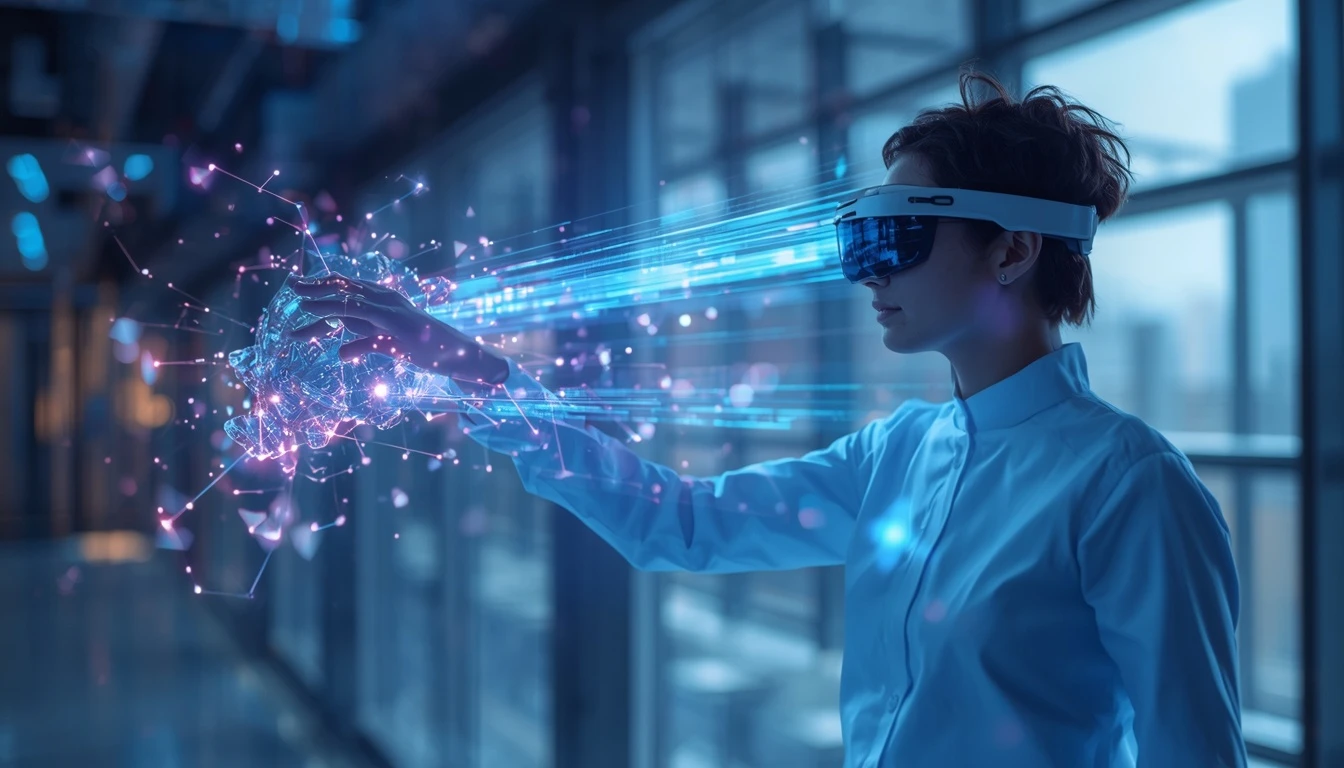
Despite the significant potential of this technology, implementation is not simple. Generating and processing 3D content in real time requires considerable computing power, and even a small delay can affect the overall AR experience.
The generated model must also be properly aligned with the real environment in terms of quality, dimensions, lighting, and spatial positioning. If this synchronization is not handled correctly, virtual content can appear unnatural.
Other important challenges include privacy, environmental image processing, battery consumption, data security, and the cost of AI infrastructure.
Therefore, the success of an AI-powered AR product does not depend solely on having a powerful AI model. It also requires properly designed technical infrastructure and user experience. Pishgaman Lotus can approach such projects by considering infrastructure, user experience, and AI requirements together to develop reliable solutions.
The Future of AR with Generative AI
As generative models, mobile processors, and smart glasses continue to advance, AR content generation is expected to become significantly faster and more natural.
In the future, users may no longer need complex design tools to create a complete 3D experience. They may simply describe their idea using text or voice, while AI generates much of the required content.
In such an environment, AR can evolve from a content-display technology into an interactive computing environment, where digital content can be generated in real time based on the user, the environment, and the intended purpose.
This evolution can create new opportunities for mobile applications, smart glasses, digital education, e-commerce, industry, and entertainment. For Pishgaman Lotus and other companies involved in digital product development, this transformation can provide a foundation for a new generation of AI- and AR-powered products.

The Role of Pishgaman Lotus in Developing Intelligent Solutions
The integration of AR, Generative AI, Computer Vision, and 3D technologies can create new opportunities for developing digital products. Pishgaman Lotus, with its focus on software development, artificial intelligence, and user experience design, can contribute to the design an implementation of such experiences.
From developing interactive applications to designing intelligent user interfaces and implementing AI-powered capabilities, combining emerging technologies can help businesses create more engaging and personalized digital experiences.
The key is not simply adopting a new technology, but building a product that brings artificial intelligence, augmented reality, and user experience together in an integrated system. This approach is aligned with Pishgaman Lotus's goal of delivering innovative solutions tailored to the needs of modern businesses.
Conclusion
The combination of Augmented Reality and Generative AI can transform the way we interact with digital content. In this model, 3D objects, effects, and even parts of the user experience can be dynamically generated based on the user's needs.
From online stores and education to industry, architecture, and entertainment, this technology has the potential to create more personalized and interactive experiences.
As AI models become faster and AR technologies continue to advance, the boundary between the physical world and digital content will become increasingly blurred. This evolution could become one of the most important trends in the future of digital product development. Pishgaman Lotus, with its focus on artificial intelligence, software development, and product design, can play a role in turning these emerging technologies into practical and valuable solutions for businesses.
Our articles:"No-Code AR Development"

Have special project to begin?
Contact us if you need a unique website for your special requirements, if you think having a mobile application help you reach your business’s goals or you still do not recognize which product can help you implement your ideas. Lotus Pioneers accompany you to develop your business through consulting and by designing special products.