Online Shopping with AR: Virtual Try-On and Home Decor Visualization
Online Shopping with AR

Introduction
Online shopping has evolved from a simple process of browsing products and completing a payment into a more interactive and intelligent experience. One of the technologies accelerating this transformation is Augmented Reality (AR). AR allows customers to visualize products in their real environment or virtually try them before making a purchase.
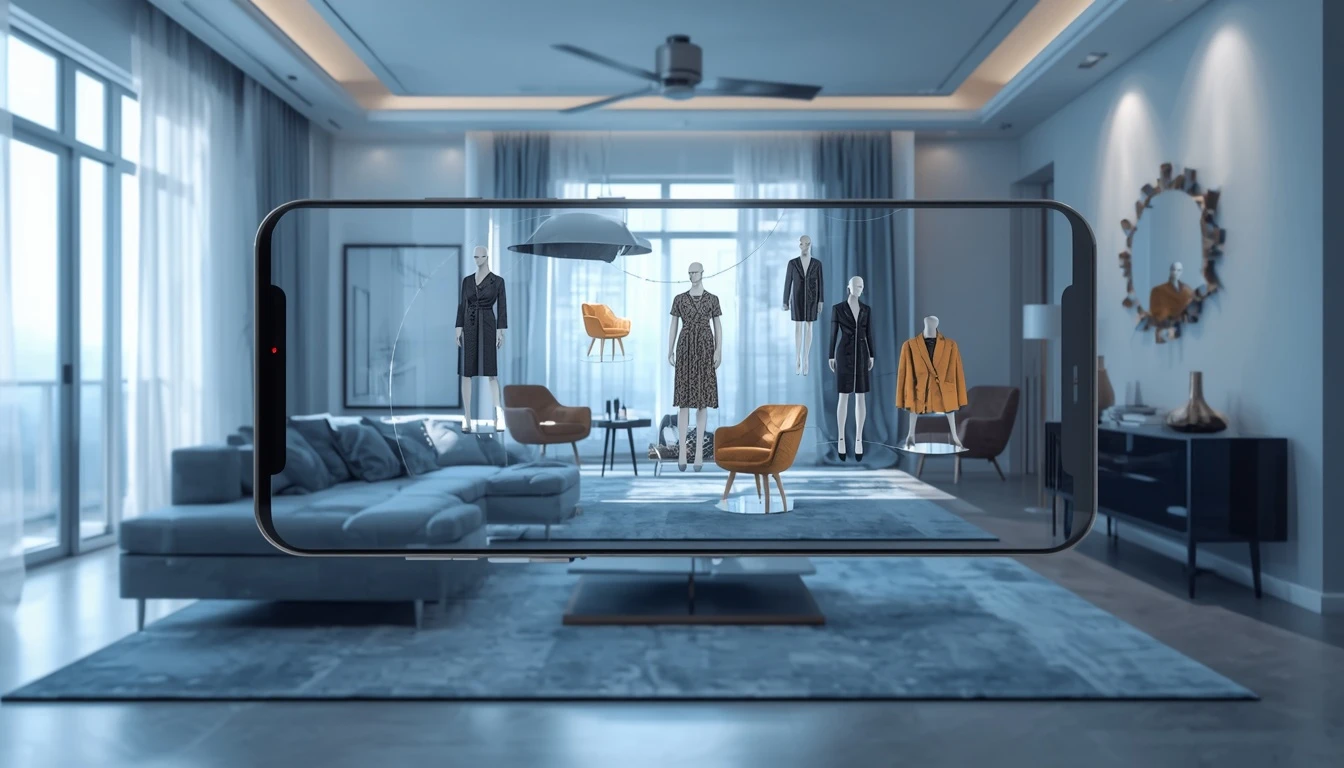
In fashion, virtual try-on allows customers to see how clothing may look on their bodies without visiting a physical store. In home decoration, customers can place virtual furniture and decorative products inside their own rooms to evaluate their size, color and overall fit.
Pishgaman Lotus can combine digital product development, UI/UX design and intelligent technologies to create more interactive shopping experiences based on AR.
How AR Is Changing Online Shopping
In traditional online shopping, customers mainly rely on product images and descriptions to make purchasing decisions. One of the main limitations of this model is the gap between seeing a product on a screen and experiencing it in the real world.
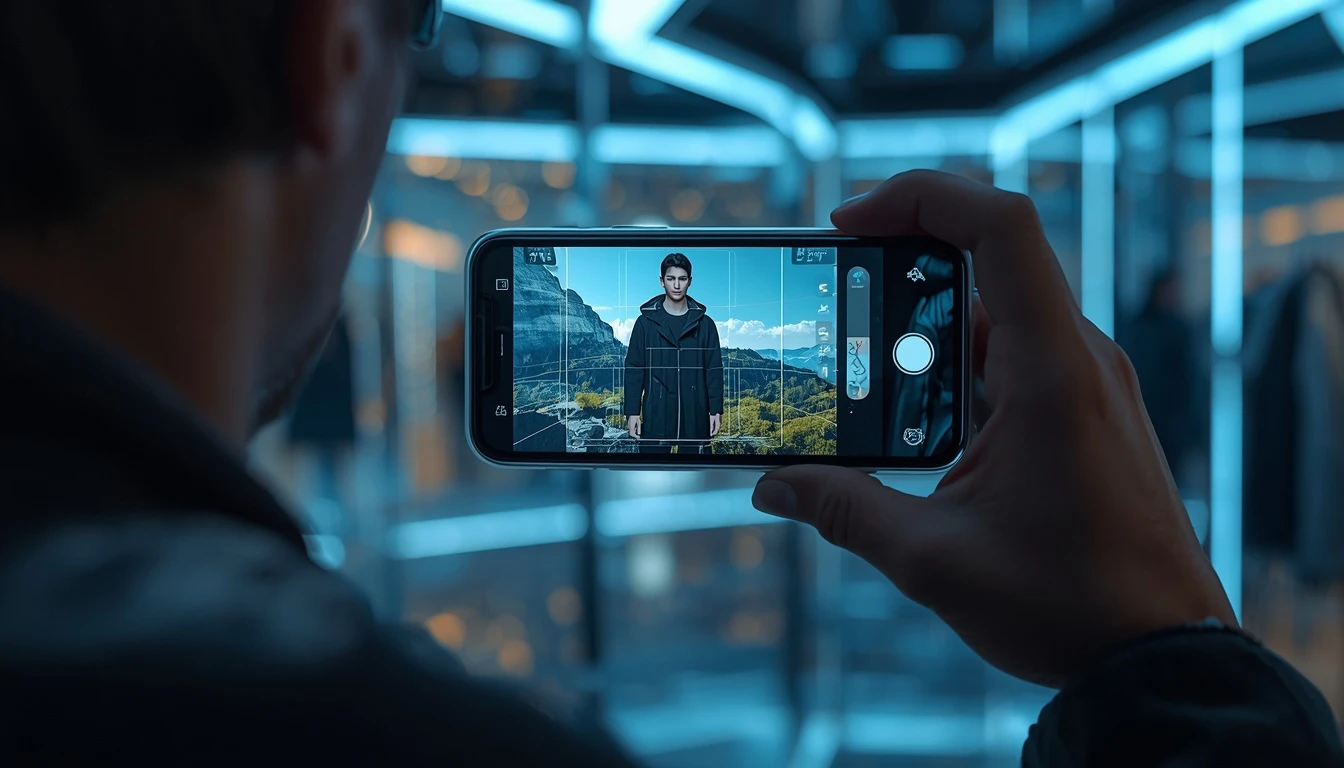
Augmented Reality can reduce this gap by allowing users to visualize products in real environments and gain a better understanding of their size, appearance, color and proportions.
For example, an online fashion store can provide virtual try-on capabilities, while a furniture store can allow customers to visualize products directly inside their homes.
Pishgaman Lotus can combine web development, UI/UX design and intelligent technologies to build the infrastructure required for these interactive shopping experiences.
Virtual Clothing Try-On
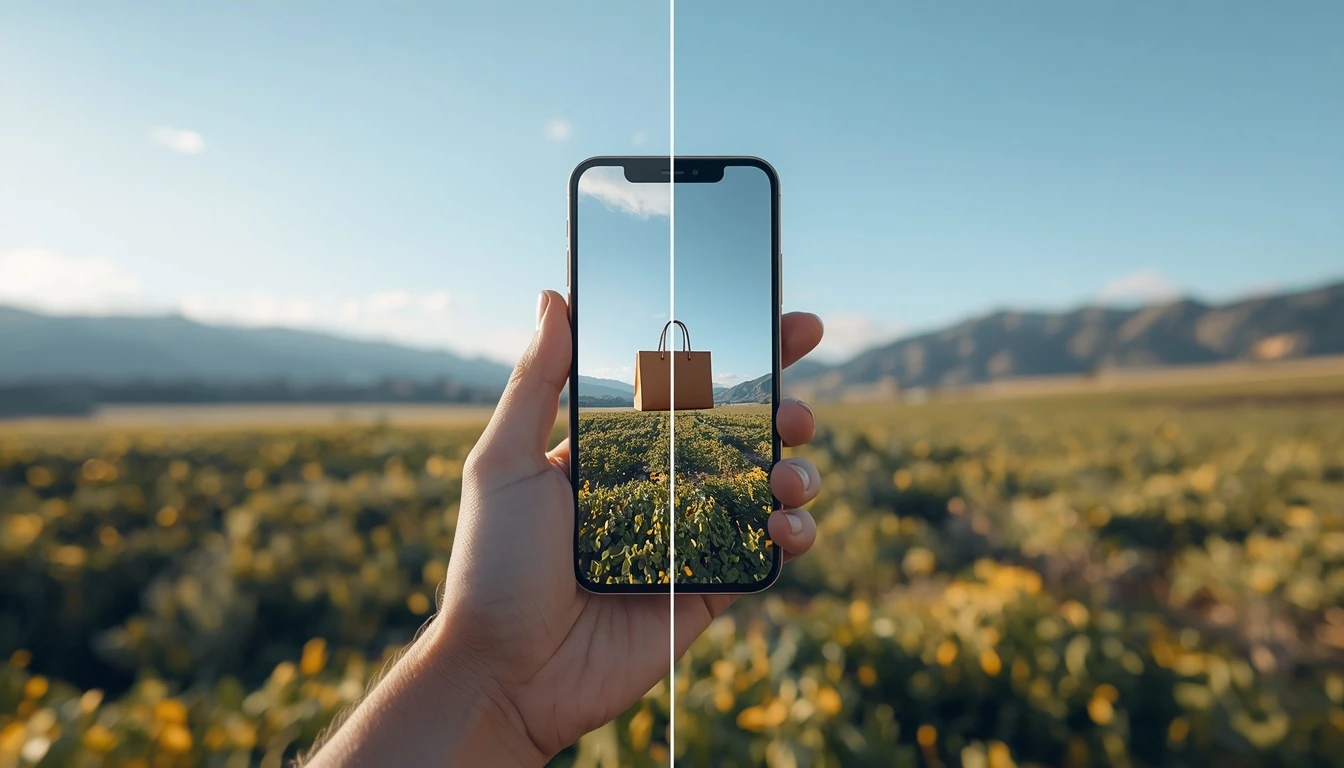
One of the most recognizable applications of AR in e-commerce is Virtual Try-On. This technology uses a smartphone camera or another device to capture the user's body and digitally display selected clothing on the person's body.
The objective is not simply to place an image of a garment over the user. The system needs to understand body position, movement, approximate proportions and the relationship between the garment and the body.
The more accurate this process becomes, the closer the digital experience gets to trying clothes in a physical store.
From a business perspective, virtual try-on can help customers make more informed decisions and potentially reduce dissatisfaction caused by differences between expectations and the actual product.
Pishgaman Lotus can combine software development, AI, computer vision and UX design to build such digital experiences.
Home Decoration with AR
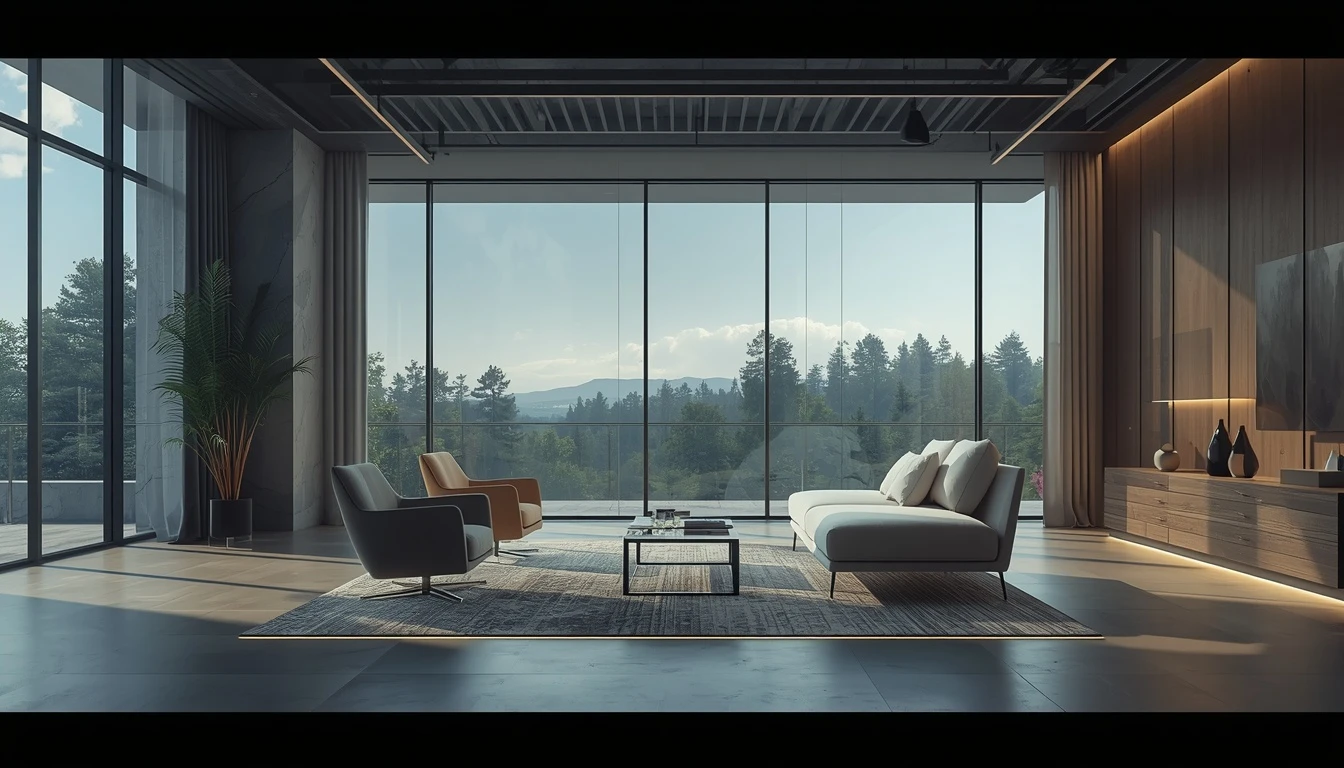
Another powerful application of AR is visualizing furniture and decorative products inside a customer's actual home. Imagine a customer wants to purchase a sofa but is unsure whether its size and color will fit the living room.
With AR, the user can point a smartphone camera toward the room and place a realistic 3D model of the sofa into the environment. The user can then move, resize and inspect the product from different angles.
This approach can be used for furniture, tables, chairs, carpets, lighting products, decorative objects and other household products.
Pishgaman Lotus can transform the product selection process from a traditional two-dimensional shopping experience into a more immersive three-dimensional experience.
The Role of UI/UX in AR Shopping
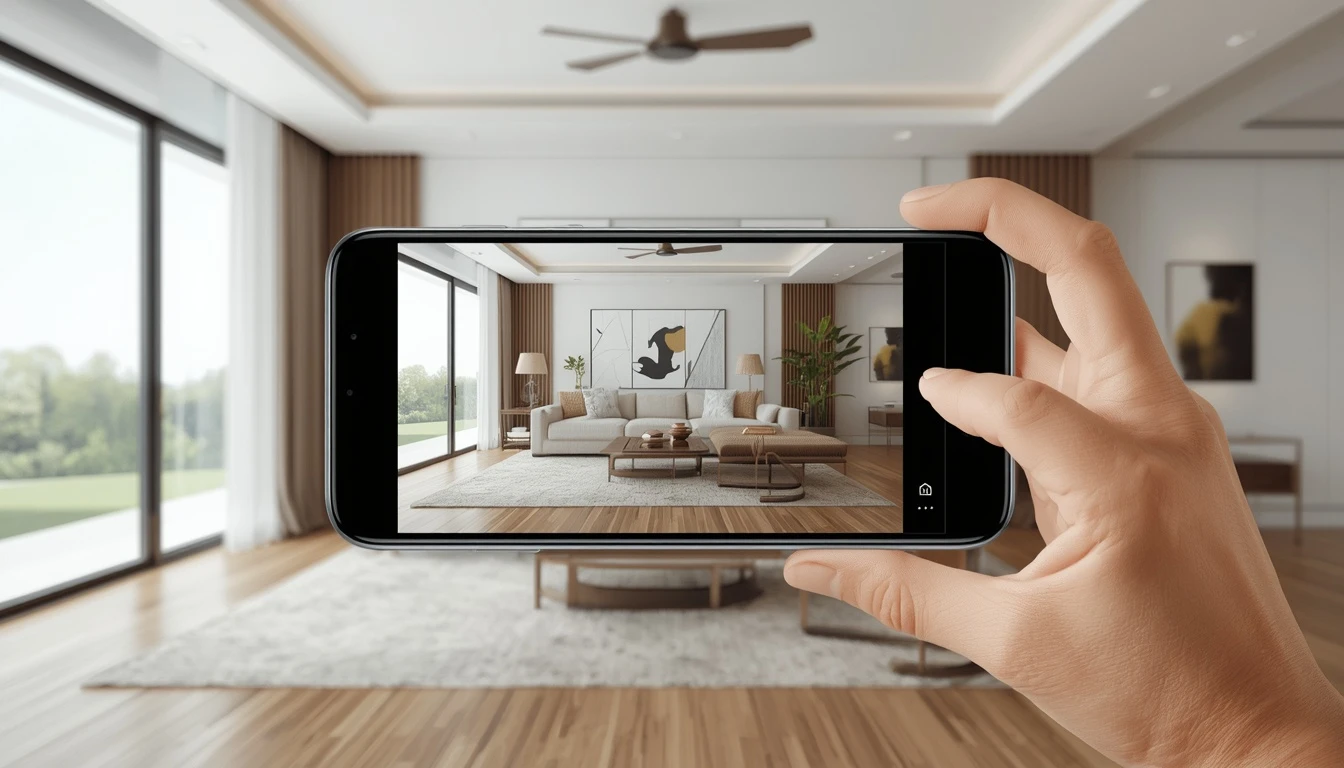
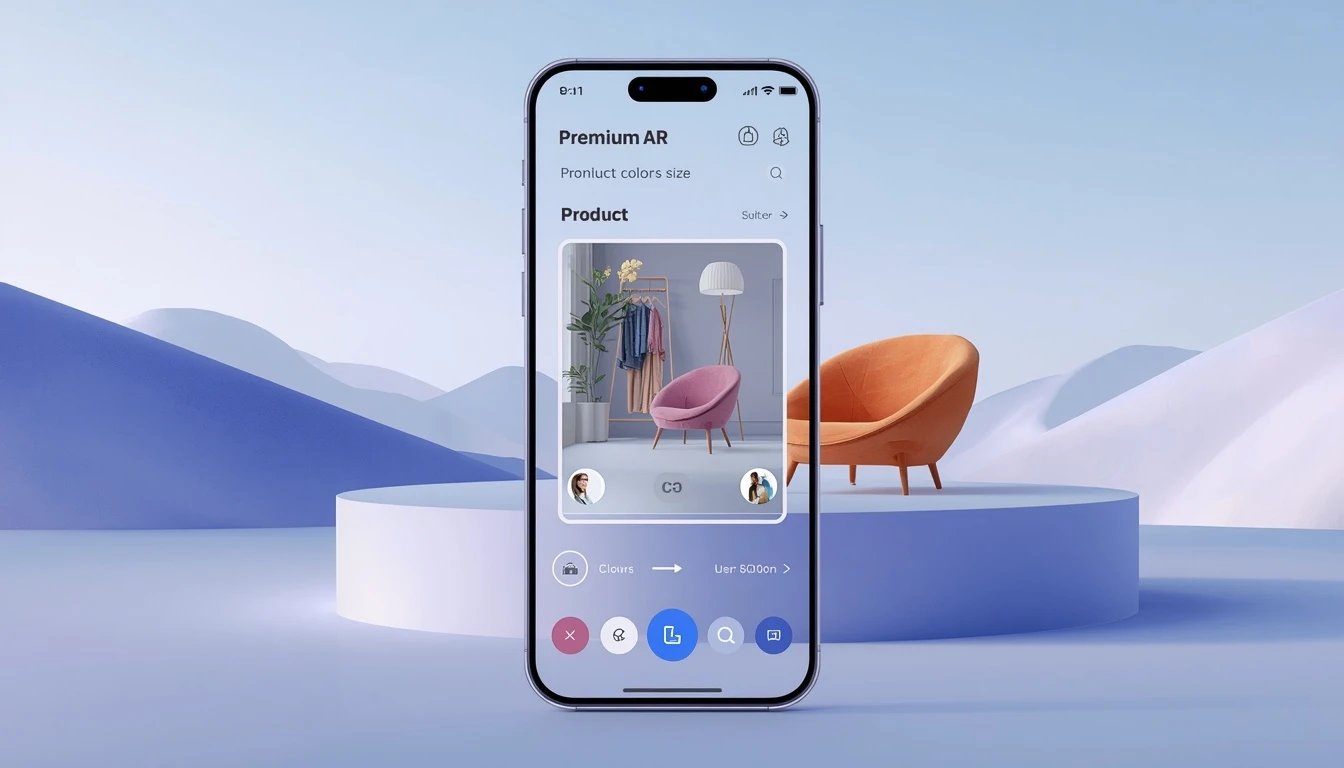
AR technology alone cannot guarantee a successful shopping experience. If users struggle to activate virtual try-on, select products or position a 3D model inside their environment, the technology itself becomes a barrier.
This is why UI/UX design is essential. The user journey should remain simple and intuitive, while controls such as resizing, rotating, changing colors and viewing product details should be easy to access.
Pishgaman Lotus can use user research, interface design, experience design and product testing to make AR technology feel natural rather than complicated.
Benefits of AR for Online Stores
AR can provide several advantages for online retailers. One of the most important is increased customer engagement. Instead of simply viewing static product images, customers can interact with products in a more realistic way.
AR can also support better purchasing decisions. For products where appearance, size or proportions are important, seeing the product in a real environment can provide significant value.
AR experiences can also help online businesses differentiate themselves from competitors. Pishgaman Lotus can help businesses create more modern and engaging digital shopping experiences through the design and development of AR-based solutions.
Challenges of Implementing AR in E-Commerce
Despite its benefits, implementing AR is not a simple process. The quality of 3D models, camera performance, environmental tracking, device processing power and internet connectivity can all affect the final experience.
Creating accurate 3D models for large product catalogs can also require significant time and resources. In addition, AR experiences need to remain stable and usable across different devices.
Successful implementation therefore requires a combination of technology, product design, software development and a clear understanding of business requirements.
Pishgaman Lotus can approach these projects in stages, from research and prototyping to development, deployment and optimization.
The Future of AR Shopping
As AI, computer vision and 3D technologies continue to advance, AR may become an increasingly important part of digital shopping experiences.
Future online stores may move beyond static product images and allow customers to interact with realistic digital versions of products directly within their environments.
The combination of AR and AI can make these experiences even more personalized. Systems could recommend products based on user preferences, room characteristics, shopping behavior and other contextual information.
This could gradually reduce the distinction between physical and online shopping. Pishgaman Lotus can combine software development, artificial intelligence and UX design to help businesses move toward the next generation of e-commerce experiences.
Conclusion
Augmented Reality can transform online shopping from a two-dimensional, image-based process into a more interactive experience that is closer to real-world shopping.
Virtual clothing try-on and AR-based furniture visualization are only two examples of this transformation. As the technology develops, AR can become useful across a much wider range of e-commerce applications.
However, successful AR shopping experiences depend on more than the AR technology itself. UI/UX design, software architecture, computer vision, 3D modeling and an understanding of customer behavior all play important roles.
Pishgaman Lotus can combine these capabilities to help businesses design and develop intelligent, interactive and next-generation shopping experiences.
Our articles:"Augmented Reality in Maps and Navigation"
Blog Tags
Have special project to begin?
Contact us if you need a unique website for your special requirements, if you think having a mobile application help you reach your business’s goals or you still do not recognize which product can help you implement your ideas. Lotus Pioneers accompany you to develop your business through consulting and by designing special products.