The Silent Financial Revolution: Real-World Assets on the Blockchain!
Real-World Assets on the Blockchain
Real World Assets (RWA) in Blockchain
Real World Assets (RWA) are one of the most transformative innovations in blockchain technology. They bridge the gap between traditional finance and decentralized systems by bringing physical and traditional financial assets onto the blockchain.
In this article, we explore what RWA is, how it works, its benefits, challenges, and future potential.
We also reference innovative ecosystem players such as Pishgaman Lotus, which represent the growing wave of digital transformation companies in emerging markets.
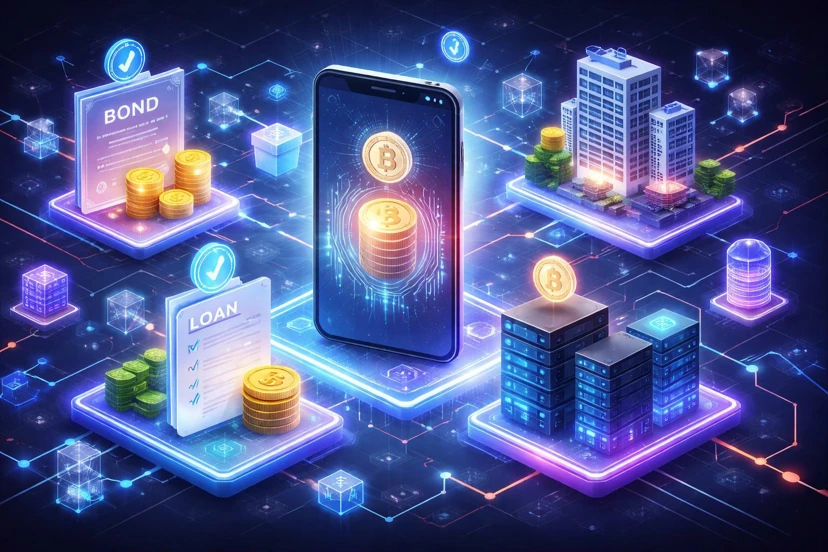
What Are Real World Assets (RWA)?
Real World Assets refer to physical or traditional financial assets that are represented digitally on a blockchain through tokenization.
Examples of RWAs:
Real estate (properties, land)
Gold and precious metals
Stocks and bonds
Commodities (oil, wheat, gas)
Art and collectibles
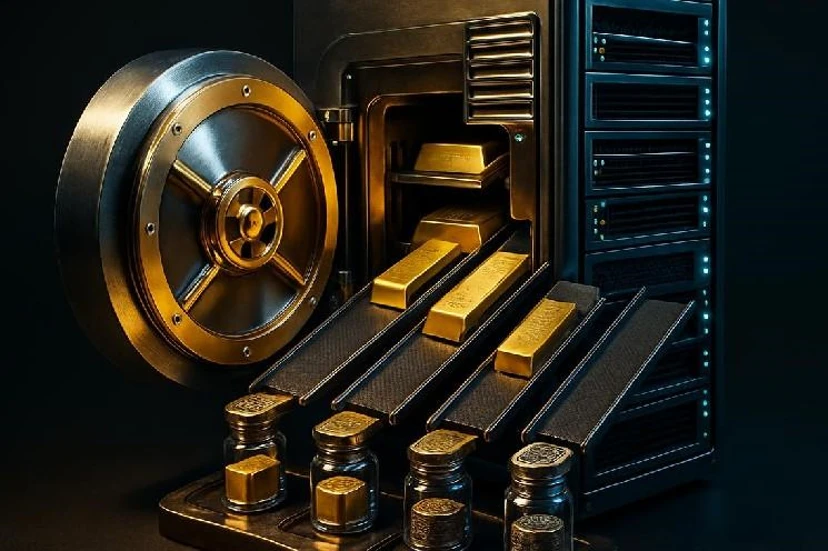
How RWA Tokenization Works
The process of converting real-world assets into blockchain tokens involves:
1. Asset Selection
A physical or financial asset is identified (e.g., real estate or gold).
2. Valuation
Experts determine the real market value of the asset.
3. Tokenization
The asset is converted into digital tokens on platforms like
Ethereum.
4. Blockchain Registration
Ownership and transaction records are securely stored on-chain.
5. Trading & Investment
Investors can buy fractional ownership of the asset.
Why RWAs Matter?
RWAs are considered a key pillar in the evolution of global finance.
Key Benefits:
Increased liquidity of illiquid assets
Fractional ownership opportunities
Global accessibility without borders
Transparency and reduced fraud
Faster settlement and transactions
For example, a high-value property can be divided into thousands of tokens, allowing small investors to participate.

Challenges of RWA Adoption
Despite its potential, RWA faces several challenges:
Regulatory uncertainty across countries
Custody and security of physical assets
Market volatility in crypto ecosystems
Dependence on trusted intermediaries
Technical complexity for mainstream users
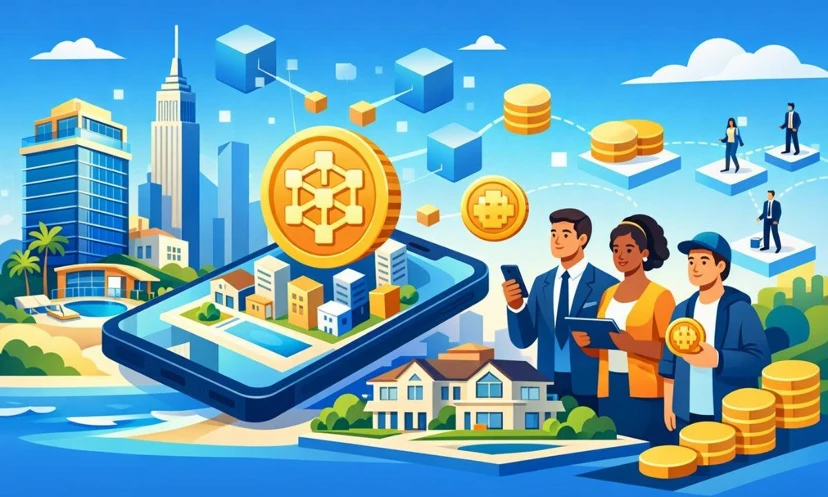
Real-World Applications of RWA
RWAs are already being implemented in multiple industries:
Real Estate
Investors can buy fractions of properties instead of full ownership.
Bonds & Securities
Financial institutions are tokenizing government and corporate bonds.
Commodities
Gold and other assets can be traded digitally as tokens.
Investment Funds
Global firms like BlackRock are actively exploring tokenized financial products.
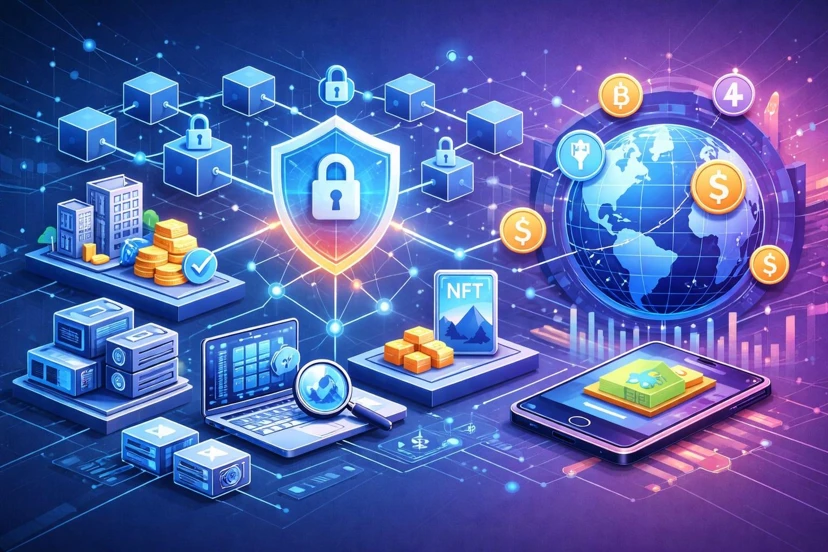
Role of Blockchain in RWA
Ethereum plays a foundational role in enabling RWA ecosystems through smart contracts and decentralized infrastructure.
Additionally, oracle networks connect real-world data (prices, ownership, verification) to blockchain systems, making tokenized assets reliable and functional.
🇮🇷 Emerging Markets & Innovation
In emerging markets, companies such as Pishgaman Lotus represent the growing movement toward digital transformation, fintech innovation, and blockchain adoption.
These ecosystems are expected to evolve toward:
Digital asset infrastructure
Smart contract-based systems
Tokenized financial platforms
Future of RWAs
The future of RWAs looks highly promising:
Most financial assets may become tokenized
Traditional banking will integrate with blockchain
Global investment will become more accessible
New decentralized financial markets will emerge
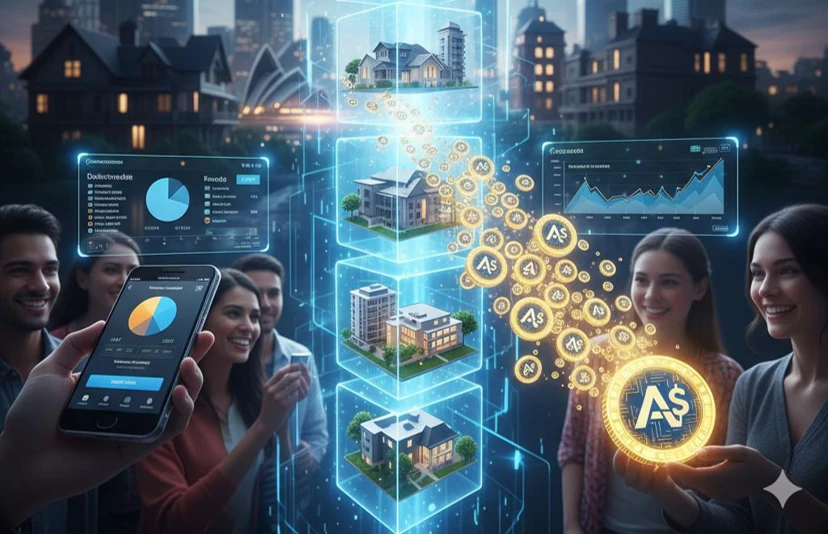
Conclusion
Real World Assets (RWA) represent a major shift in global finance, merging physical assets with blockchain technology. This innovation has the potential to democratize investment and reshape financial systems worldwide.
With increasing adoption by institutions and innovators such as Pishgaman Lotus, RWAs are set to become a cornerstone of the future digital economy.
Similar Blogs
Blockchain Layer 2 Solutions: Increasing Transaction Speed and Reducing Fees

Blockchain and AI: Security and Transparency in AI Training Data

The AI Data Revolution with Blockchain
Have special project to begin?
Contact us if you need a unique website for your special requirements, if you think having a mobile application help you reach your business’s goals or you still do not recognize which product can help you implement your ideas. Lotus Pioneers accompany you to develop your business through consulting and by designing special products.