Innovative Holography Ideas and 3D Displays
Innovative Holography Ideas and 3D Displays

Introduction
Imagine exploring a product in three dimensions without relying on conventional screens, or interacting with a digital model that can be examined from different angles. Holography and 3D display technologies are changing how people interact with digital information by introducing new visual experiences. These technologies can create opportunities in education, healthcare, e-commerce, industrial design, and digital communication.
In a previous Pishgaman Lotus article, “Applications of VLMs in Robotics and Autonomous Vehicles,” we explored how vision-language models (VLMs) combine visual information and language to help machines understand their surroundings. The next step is to consider how technologies such as holography can transform digital information into interactive three-dimensional experiences. Combining these technologies with artificial intelligence could pave the way for a new generation of intelligent user interfaces, an area in which Pishgaman Lotus can contribute through innovative software development and digital experience design.
How Do Holography and 3D Displays Work?
Holography is a technology for recording and reconstructing information about light, enabling the creation of images with three-dimensional characteristics. Unlike conventional two-dimensional images, some holographic techniques can reproduce depth cues and changes in perspective, creating a viewing experience that more closely resembles observing a physical object.
Three-dimensional displays use various approaches, including presenting different images to each eye, directing light, and employing specialized optical structures, to create a perception of depth. However, not every 3D display is holographic. Different technologies vary in image quality, viewing angles, hardware requirements, and cost.
For Pishgaman Lotus, understanding these distinctions is important because developing a digital product based on 3D visualization requires appropriate hardware, carefully designed user interfaces, and software that works effectively with the display's capabilities.
Interactive Holographic Displays in E-Commerce
One of the most promising applications of holography is creating new ways to present and explore products. Instead of viewing a collection of static images, customers could examine a three-dimensional product model from multiple angles, better understand its dimensions, and explore its design details.
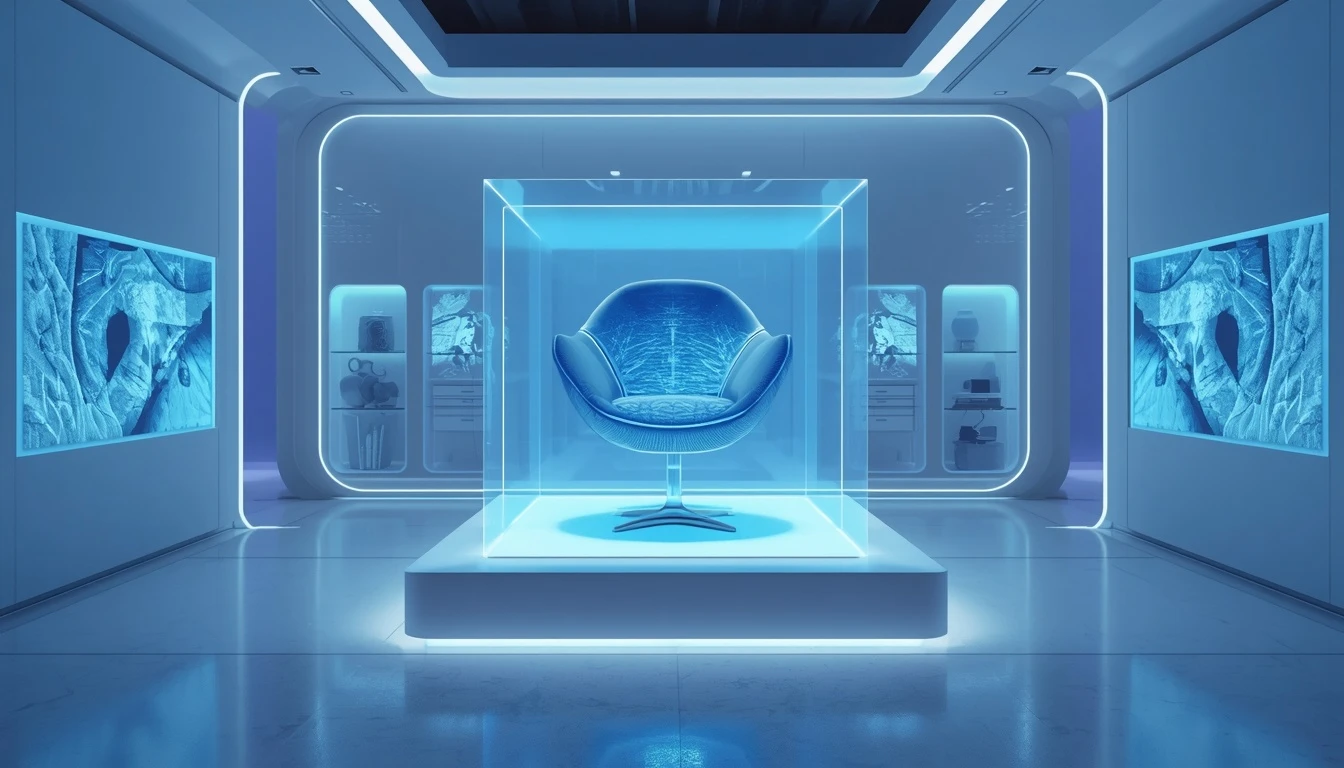
For example, online furniture stores could use 3D models to present the shape and structure of their products. In the automotive industry, interactive 3D models could allow customers to explore vehicle exteriors, interiors, and individual components.
Combining holography with artificial intelligence could make these experiences even more useful. An AI-powered assistant could answer customer questions, explain product features, and display relevant information alongside a 3D model.
Pishgaman Lotus could support the software infrastructure behind these experiences through its web development, enterprise software development, and UI/UX design capabilities. The final implementation would depend on the selected display technology and available hardware.
Holography in Education and Interactive Simulation
Education is another field that could benefit significantly from 3D visualization and holography. Traditional teaching methods can make complex structures and multistage processes difficult to understand, while three-dimensional models allow learners to examine details from different perspectives.
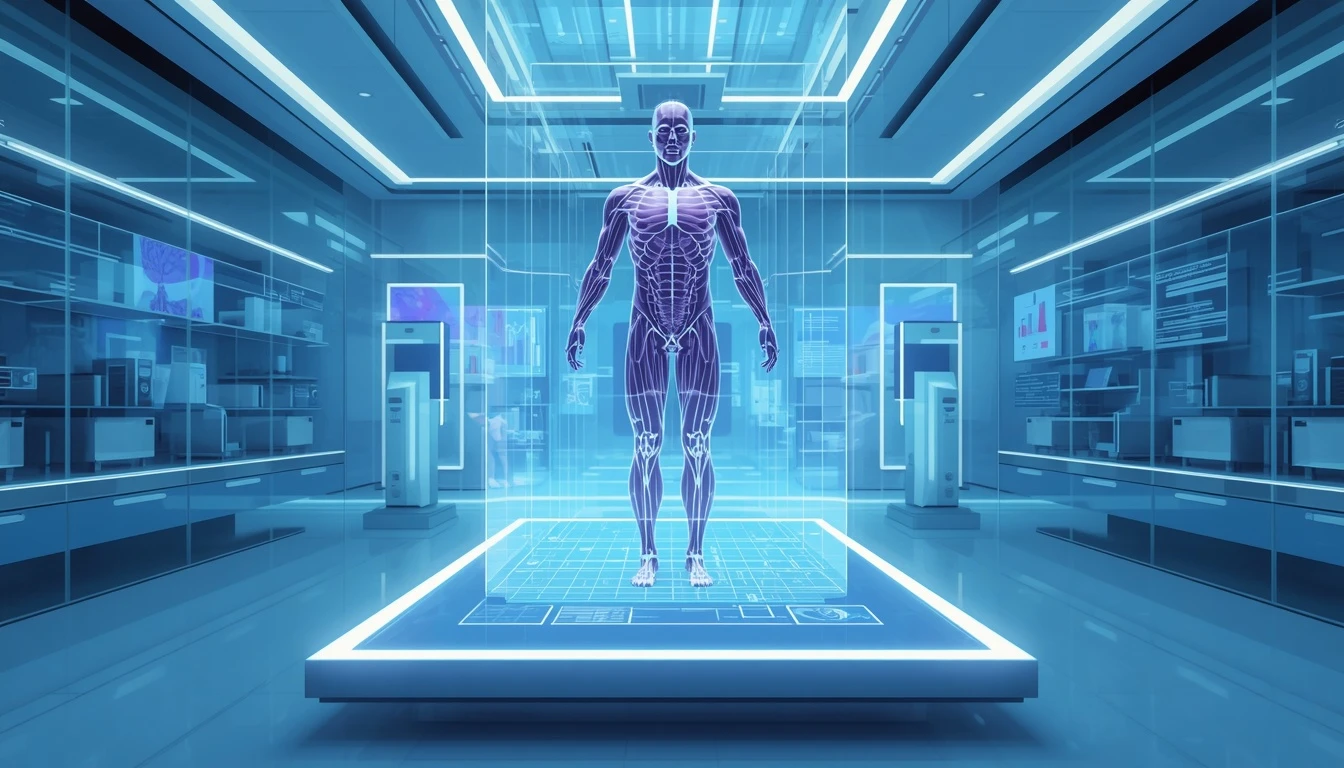
In medical education, anatomical structures could be presented as 3D models, helping students better understand the relationships between organs. In engineering education, three-dimensional representations of components and machinery could help learners understand how systems operate.
Combined with digital simulations, holography could support interactive environments in which users manipulate models and observe the consequences of changes. Artificial intelligence could further enhance these experiences by adapting explanations to a learner's knowledge level and answering educational questions.
Pishgaman Lotus could contribute to interactive learning platforms through enterprise software development, user interface design, and AI solutions. The effectiveness of these products would depend on model accuracy, educational content quality, and ease of interaction.
Combining Holography with Artificial Intelligence and VLMs
Combining holography with artificial intelligence could transform 3D displays from visual presentation tools into intelligent interactive environments. Instead of simply viewing images, users could ask questions, obtain additional information, and interact with digital content through voice commands or gestures.
Vision-language models, or VLMs, can analyze visual information and connect it with natural language. For example, in a 3D visualization environment, a VLM could help identify parts of a product and provide relevant explanations. Implementing such capabilities requires an effective connection between the AI model, visual data, and display software.
This concept is directly connected to the previous Pishgaman Lotus article, “Applications of VLMs in Robotics and Autonomous Vehicles.” That article explored how VLMs interpret environments and understand visual information. Similar capabilities could be applied to user interaction, presenting analyzed information in more intuitive and engaging three-dimensional formats.
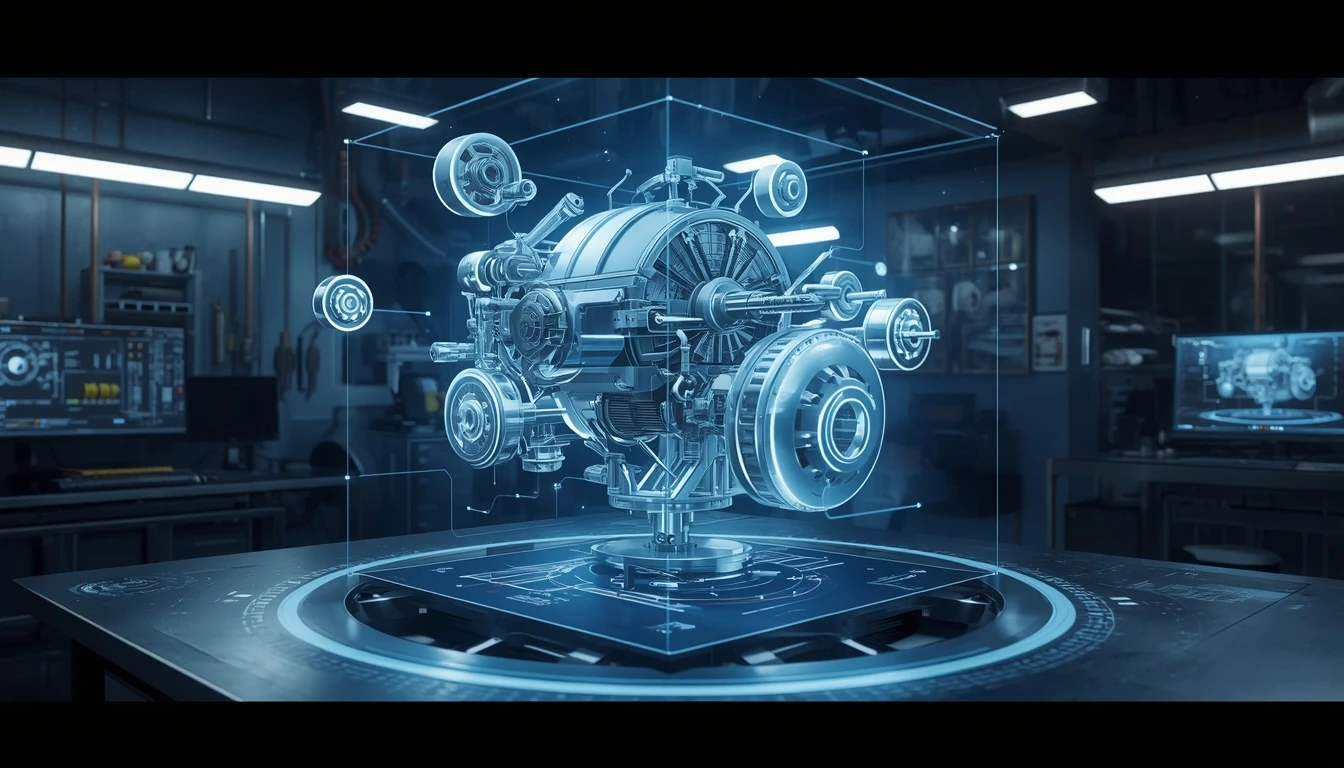
Imagine a technician examining a 3D model of a machine while an intelligent assistant identifies a selected component and displays its technical specifications. Such experiences could be useful in training, maintenance, industrial design, and technical support.
Pishgaman Lotus could contribute to the software infrastructure for these solutions by combining its AI, enterprise software development, and UI/UX design capabilities.
3D Displays in Industrial Design and Digital Prototyping
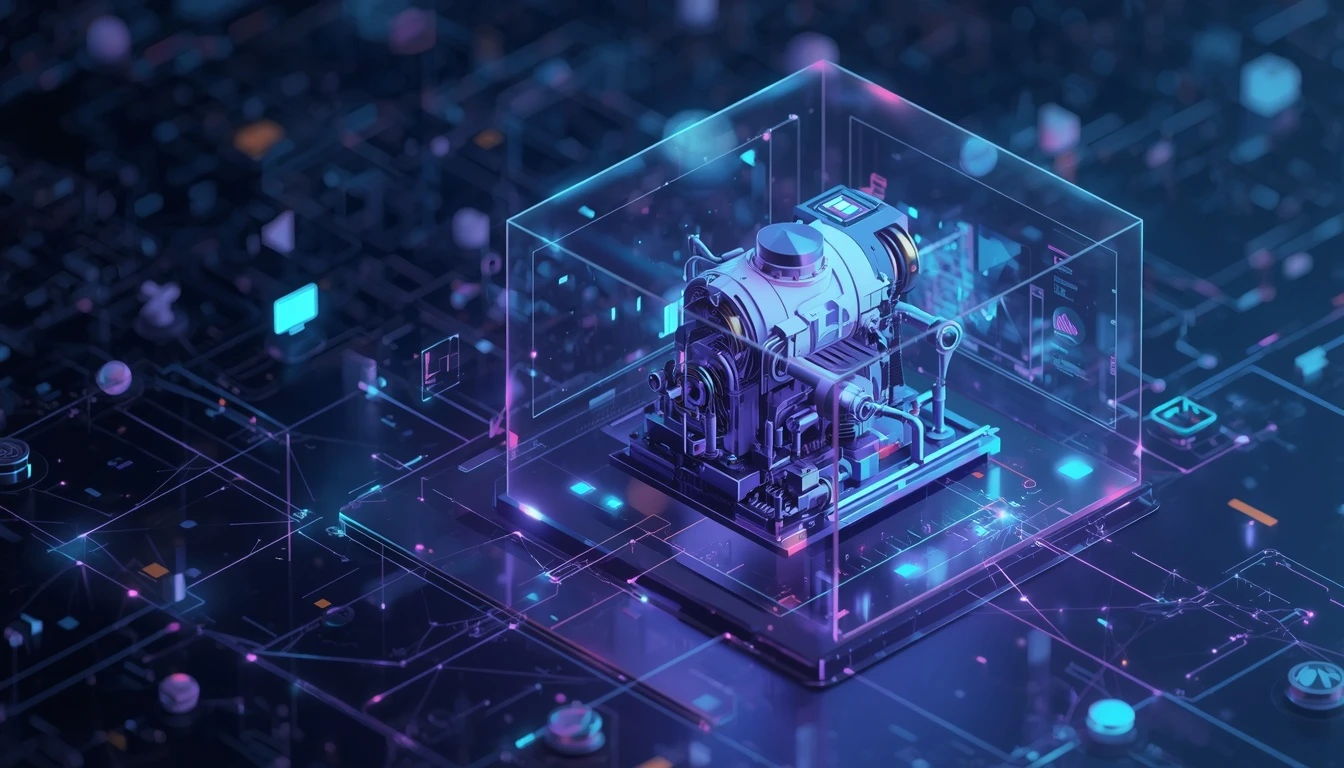
In industrial design, evaluating a product before manufacturing a physical prototype is important. Three-dimensional modeling already enables designers to assess the shape and structure of products in digital environments. 3D displays and holographic systems could enhance this process by providing a better spatial perspective and presenting multiple components simultaneously.
For example, design teams could examine a 3D model of an industrial component, evaluate how its parts fit together, and identify potential design issues before production. When integrated with engineering tools and simulation data, this approach could improve the decision-making process.
Combining these displays with digital twins could create further opportunities. A digital twin is a virtual representation of a real-world asset or system that can be updated using relevant data. Three-dimensional visualization can make it easier to explore equipment conditions and design changes.
Pishgaman Lotus could help develop platforms that turn digital models into practical tools for engineering teams through custom software development, data integration, and user interface design.
Challenges in Developing Holographic Technology
Despite the potential of holography and 3D displays, widespread adoption still faces several challenges. Equipment costs, limited viewing angles in some technologies, ambient lighting, depth reconstruction quality, and processing requirements can all affect the user experience.
Producing high-quality 3D content also requires specialized tools and expertise. Digital models must be created accurately, and display software must process them with suitable speed and quality. For AI-powered solutions, response latency, analytical accuracy, and data protection are additional considerations.
From a product development perspective, Pishgaman Lotus could evaluate the feasibility of 3D display concepts through user research, market research, UX design, and prototype development. Starting with a focused use case is often a practical way to assess costs, performance, and user interest before making a larger investment.
The future of holography therefore depends on more than hardware advancements. Software quality, interaction design, and the ability to solve real-world problems will also determine the success of these technologies.
Conclusion
Holography and 3D displays have the potential to transform how digital information is presented and explored. From online retail and interactive education to industrial design and digital twins, these technologies offer opportunities to create more intuitive and useful visual experiences.
Combining them with artificial intelligence and VLMs could also enable interfaces that do more than display information: they could analyze visual content and respond to user questions. However, successful implementation depends on selecting appropriate technologies, designing effective user experiences, and addressing technical limitations.
By leveraging its software development, UI/UX design, and AI capabilities, Pishgaman Lotus can contribute to turning innovative ideas into practical digital products. The most valuable future applications will be those that use 3D technology not merely to create impressive visuals, but to solve real problems for users and businesses.
Our articles:"Holographic Technology: From the Illusion of Light to Virtual Reality"
Similar Blogs
Have special project to begin?
Contact us if you need a unique website for your special requirements, if you think having a mobile application help you reach your business’s goals or you still do not recognize which product can help you implement your ideas. Lotus Pioneers accompany you to develop your business through consulting and by designing special products.