VLM Applications in Robotics and Autonomous Vehicles
VLM in Robotics and Autonomous Vehicles

Introduction
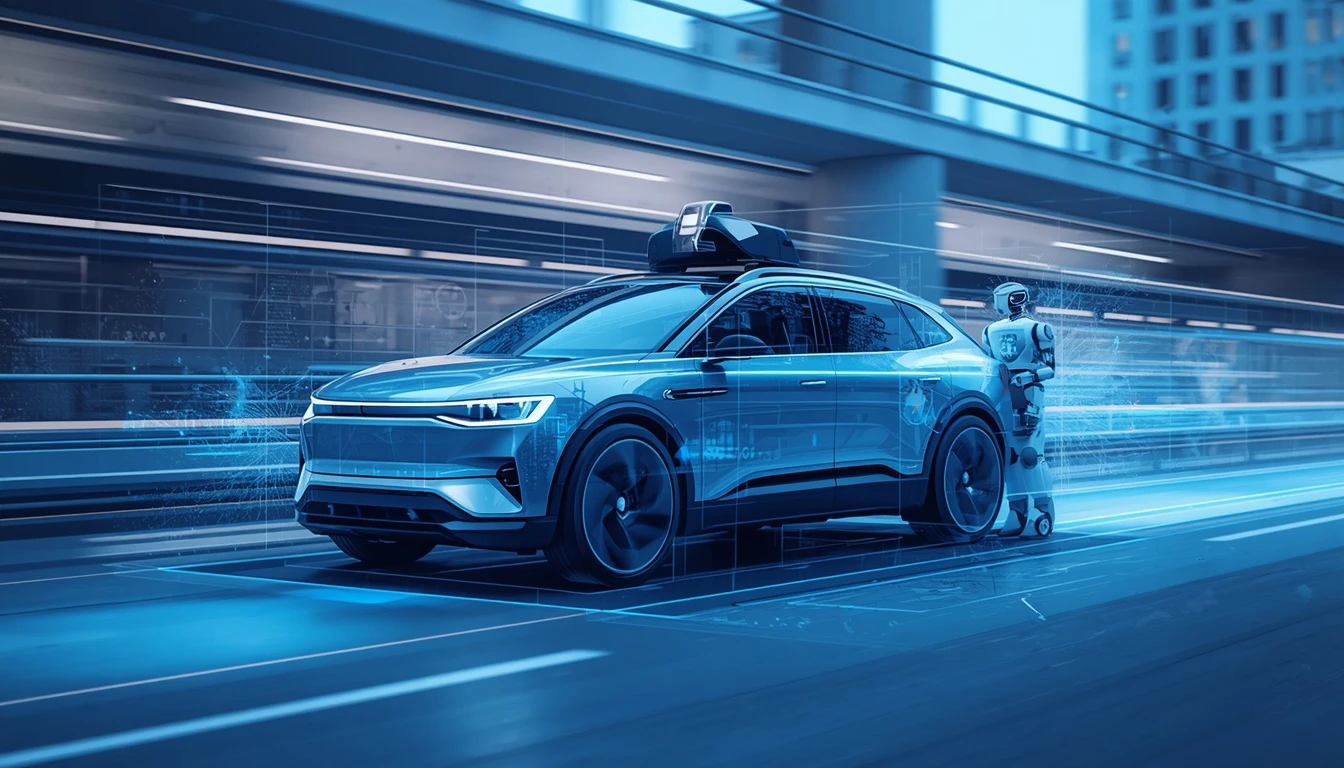
Advances in artificial intelligence are transforming robotics and autonomous driving, enabling machines to do more than simply recognize objects. Modern systems increasingly need to interpret visual information and develop a meaningful understanding of their surroundings.
Vision-Language Models (VLMs) combine computer vision with natural language processing, allowing systems to connect images with linguistic concepts and instructions. This capability can support the development of intelligent robots, improve environmental perception in autonomous vehicles, and enable more natural interactions between humans and machines.
For Pishgaman Lotus, developments in this field represent an opportunity to explore AI-powered solutions that combine visual intelligence, software development, and intelligent automation.
How VLMs Help Robots Understand Their Environments
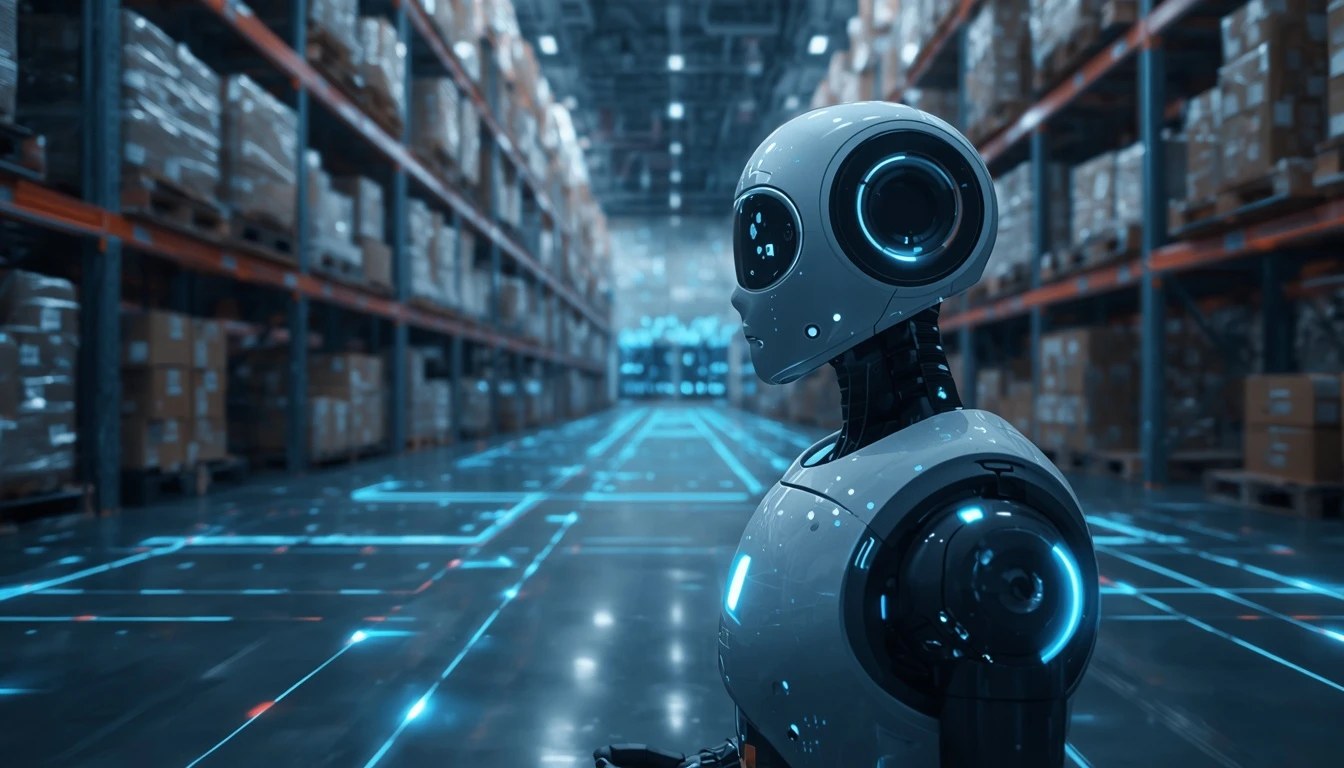
Robots operating in warehouses, factories, and service environments must identify objects, obstacles, pathways, and spatial relationships. Traditional computer vision systems are often trained for specific recognition tasks, whereas VLMs can connect visual information with natural language descriptions.
For example, a warehouse robot could receive an instruction to locate a blue box next to a particular shelf. A VLM can help interpret the instruction and identify relevant visual information. The robot's navigation and control systems can then use that information to plan an appropriate action.
This combination can make robotic systems more adaptable to changing tasks and environments.
Pishgaman Lotus can explore these capabilities through AI development and image-processing solutions designed for intelligent automation.
The Role of VLMs in Autonomous Vehicles
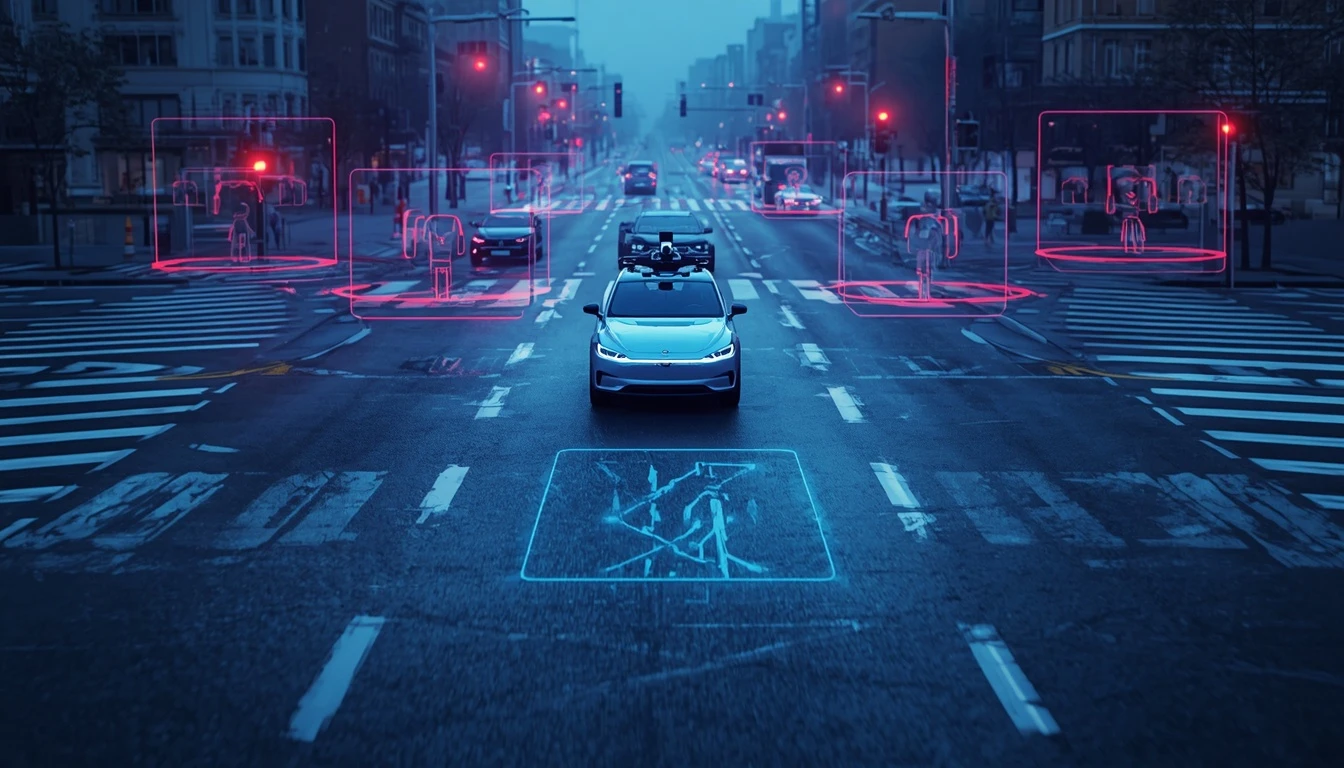
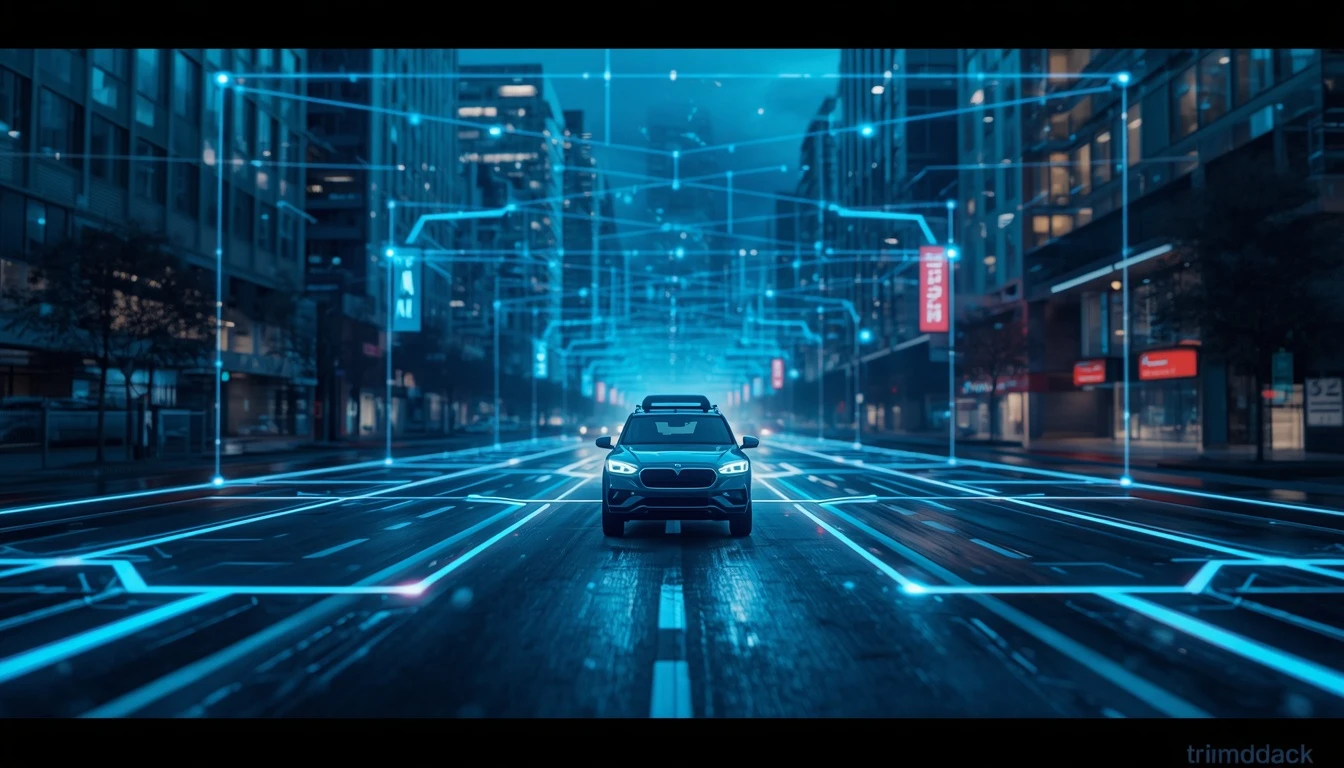
Autonomous vehicles must continuously analyze their surroundings to identify other vehicles, pedestrians, road signs, and potential obstacles. They also need to interpret complex traffic situations and respond appropriately.
VLMs can contribute semantic understanding by connecting visual observations with contextual descriptions. For example, a VLM may help explain why a stationary vehicle or an unexpected obstacle is relevant to the current driving scene.
However, VLMs are not complete replacements for specialized perception, localization, trajectory planning, or vehicle control systems. Safety-critical decisions require validated components, rigorous testing, and appropriate fallback mechanisms.
Combining multimodal AI with established automotive technologies could support the development of more capable intelligent transportation systems.
Combining Computer Vision and Natural Language for Robotic Decision-Making
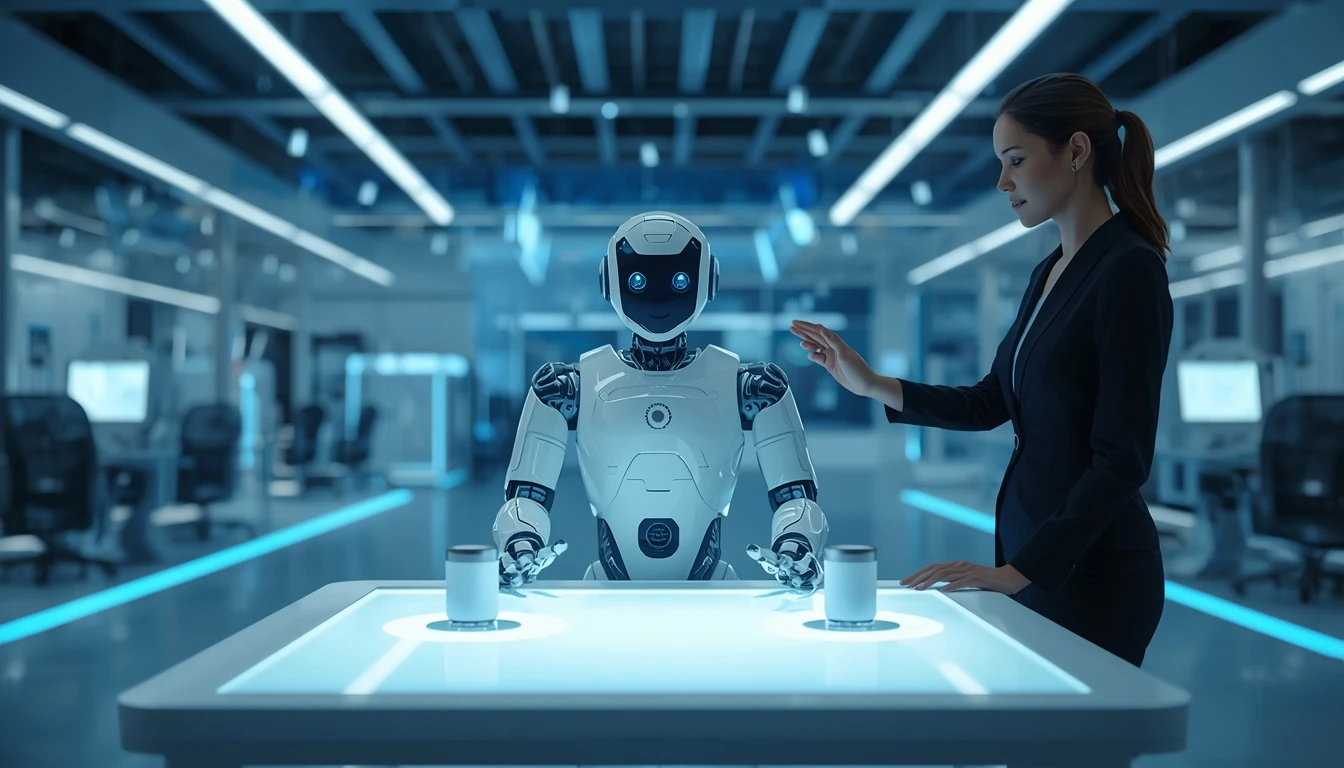
One of the key advantages of VLMs is their ability to connect visual information with natural language instructions. This can make human-robot interaction more intuitive and allow robots to handle a broader range of tasks.
For example, a user might ask a robot to locate an object on a table or identify an unobstructed route to an exit. A VLM can interpret the instruction and extract relevant information from the visual scene. A separate planning and control system can then determine how to carry out the task.
Potential applications include warehouse automation, industrial robotics, service robots, and assistive technologies.
Pishgaman Lotus can investigate these capabilities through intelligent agent development and AI-powered software solutions that improve interactions between users and automated systems.
Challenges of Using VLMs in Robotics and Autonomous Vehicles
Despite their potential, VLMs face several challenges in real-world applications. They may misinterpret images or generate incorrect descriptions, while changing lighting conditions, fog, rain, and partially obstructed views can affect visual perception.
Computational requirements are another important consideration. Robots and autonomous vehicles often need to process information with very low latency, making it necessary to balance model complexity with real-time performance.
Addressing these challenges requires diverse training and evaluation data, sensor fusion, simulation-based testing, real-world validation, and reliable safety mechanisms. Systems must also be able to recognize uncertainty and fall back to safer operating modes when necessary.
For Pishgaman Lotus, these considerations highlight the importance of data quality, system evaluation, and suitable software architecture when developing reliable AI applications.
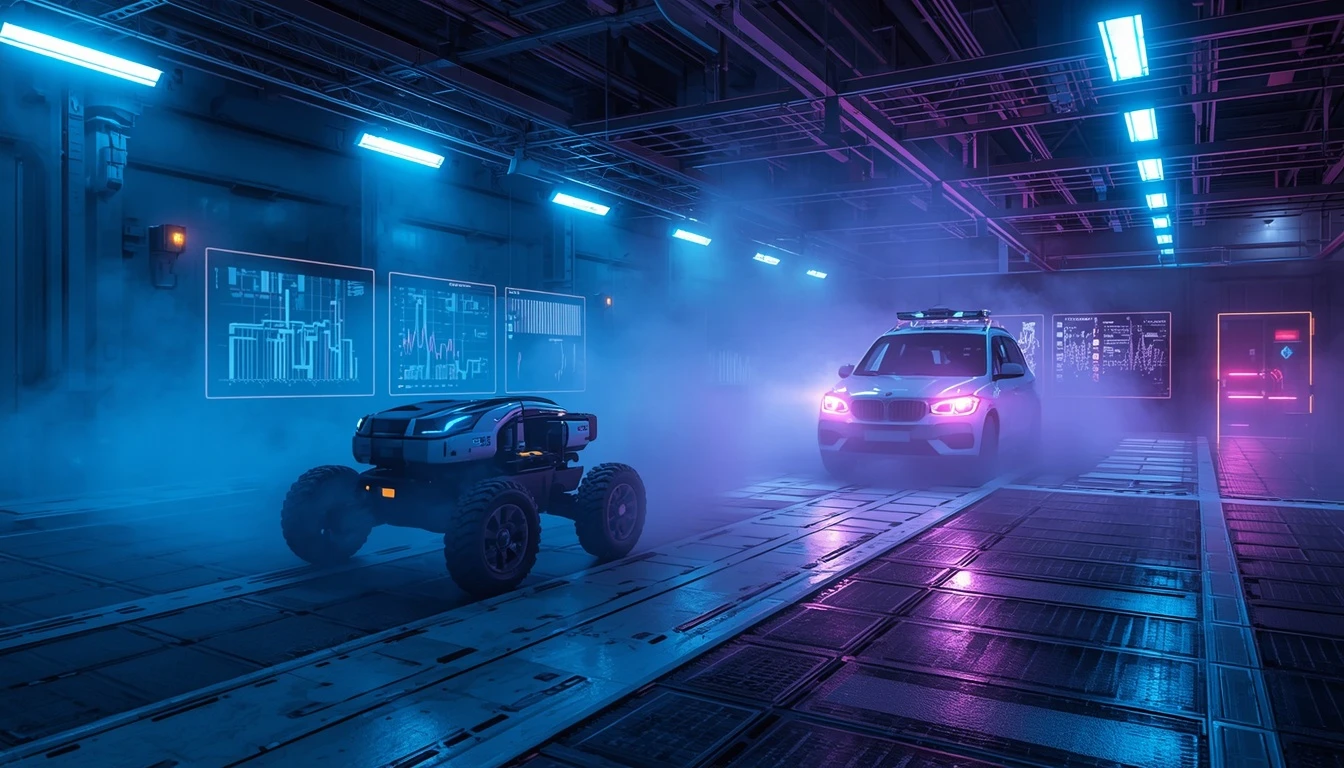
The Future of VLMs in Robotics and Intelligent Transportation
As multimodal AI advances, VLMs may enable robots and autonomous vehicles to interpret increasingly complex scenes and respond more effectively to human instructions.
Combining VLMs with large language models, intelligent agents, computer vision, and planning systems could help robots perform more varied tasks and adapt to unfamiliar situations.
In the automotive industry, these models may support scene interpretation, analysis of unusual road situations, and advanced driver-assistance systems. Nevertheless, their practical adoption will depend on improvements in accuracy, processing speed, uncertainty estimation, and safety validation.
For Pishgaman Lotus, these developments offer opportunities to explore AI-powered solutions in robotics, visual environment analysis, and advanced automation. Identifying practical use cases and validating their performance will be essential to turning emerging AI capabilities into reliable business applications.
Conclusion
Vision-Language Models create new opportunities for robotics and autonomous vehicles by connecting visual perception with language-based understanding. They can support environmental interpretation, improve human-machine interaction, and help analyze complex situations.
However, reliable real-world deployment requires combining VLMs with specialized algorithms, appropriate sensors, and robust safety mechanisms.
Through its focus on software development and artificial intelligence, Pishgaman Lotus can explore practical applications of these technologies and contribute to the development of intelligent, reliable, and adaptable digital solutions.
Our articles:"Multimodal AI: Understanding Images and Text Together"
Blog Tags
Similar Blogs



Have special project to begin?
Contact us if you need a unique website for your special requirements, if you think having a mobile application help you reach your business’s goals or you still do not recognize which product can help you implement your ideas. Lotus Pioneers accompany you to develop your business through consulting and by designing special products.