Image Processing on Edge Devices: When AI Fits in Your Pocket!
Image Processing on Edge Devices
Introduction: Why Edge AI Matters?
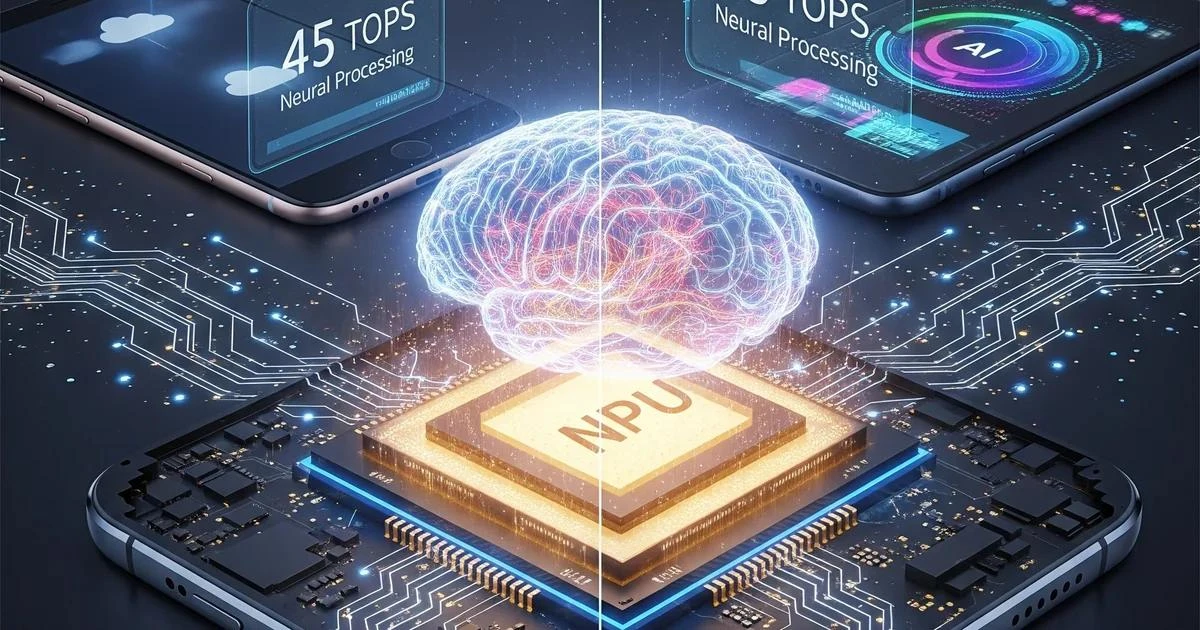
In today’s rapidly evolving world of artificial intelligence, one of the most significant trends is the shift from cloud-based processing to edge computing. Edge devices—including smartphones, smart cameras, sensors, and IoT equipment—are now capable of processing data locally without relying on remote servers.
Pishgaman Lotus, as an active technology company, has focused on developing optimized AI solutions for edge environments, enabling efficient deployment of deep learning models on resource-constrained devices.
Benefits of Image Processing on Edge Devices
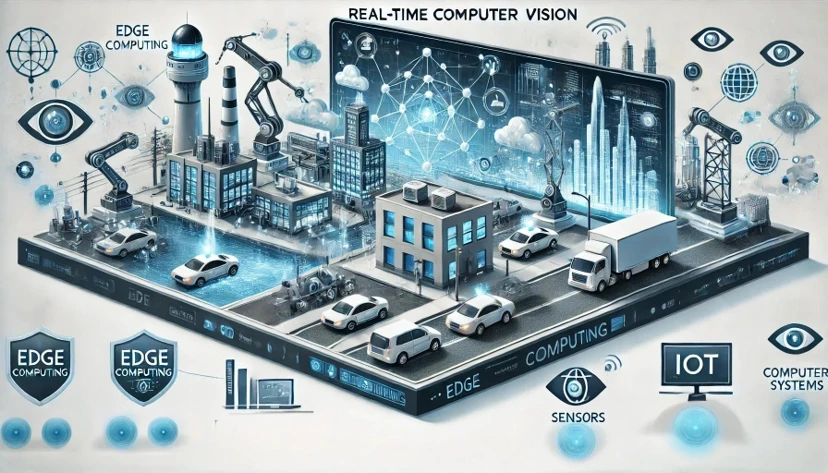
Processing images directly on edge devices offers several key advantages:
Low Latency:
By eliminating the need to send data to the cloud, responses are generated in real time. This is critical for applications like autonomous vehicles and real-time surveillance systems.
Enhanced Privacy and Security:
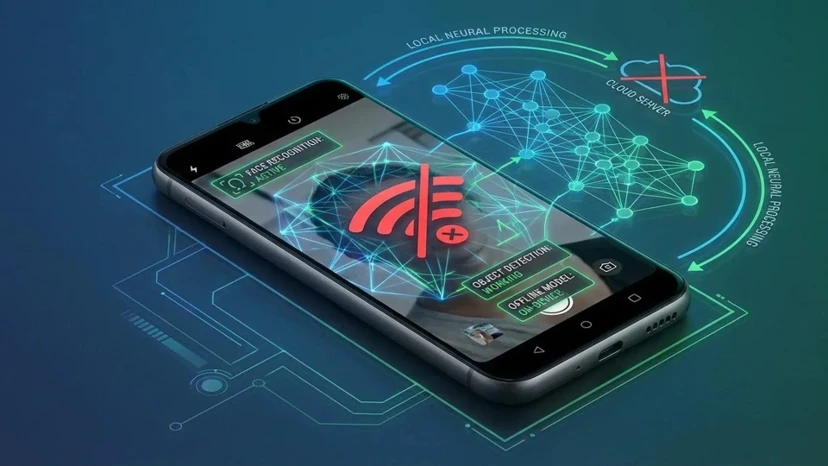
Data remains on the device, significantly reducing the risk of data breaches or unauthorized access.
Reduced Bandwidth Usage:
Local processing minimizes the need for continuous data transmission, lowering communication costs.
Challenges of Running Heavy Models on Mobile and IoT
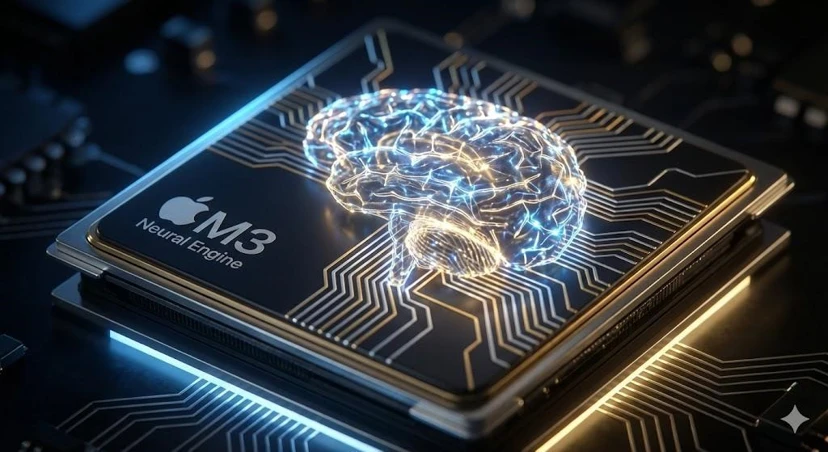
Despite its advantages, deploying deep learning models on edge devices comes with several challenges:
Limited Hardware Resources:
Devices such as smartphones and IoT systems have constrained CPU, memory, and battery capacity.
Large Model Sizes:
Computer vision models often contain millions of parameters, making them difficult to run efficiently on small devices.
Power Consumption:
Complex models can quickly drain battery life, which is a critical limitation in mobile environments.
Pishgaman Lotus addresses these challenges by implementing advanced optimization techniques in its solutions.
Solution 1: Quantization
Quantization is one of the most effective methods for optimizing deep learning models.
This technique reduces the numerical precision of model parameters—for example, converting 32-bit floating-point values to 8-bit integers. The result:
- Smaller model size
- Faster inference speed
- Lower energy consumption
Importantly, the accuracy loss is often minimal and acceptable for most applications.
Solution 2: Pruning
Pruning involves removing unnecessary parts of a neural network.
In this method, weights or neurons that contribute little to the output are eliminated. This leads to:
- Reduced model size
- Faster execution
- Improved efficiency on constrained devices
Pishgaman Lotus often combines pruning with quantization to achieve optimal performance.
Lightweight Architectures for Edge AI
Another key strategy is using models specifically designed for edge environments.
Architectures such as MobileNet and EfficientNet are optimized for performance and efficiency, offering a strong balance between accuracy and speed. These models are ideal for real-world applications on mobile and embedded systems.
The Role of Specialized Hardware
Hardware advancements play a crucial role in enabling edge AI.
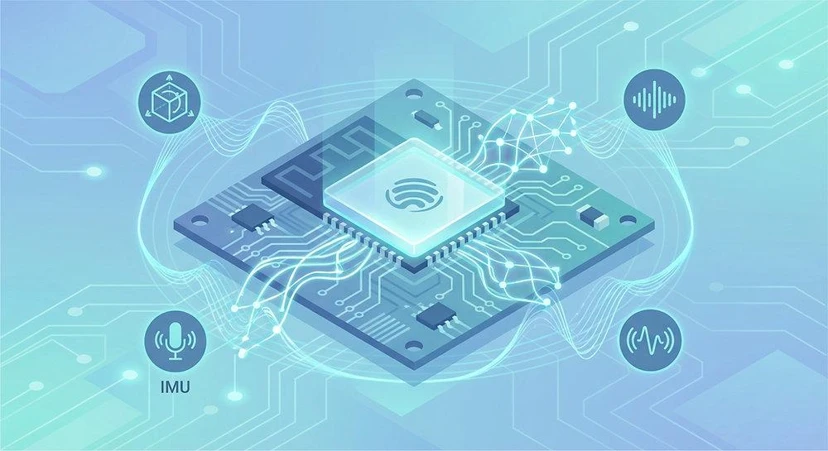
Modern devices are increasingly equipped with specialized processors such as Neural Processing Units (NPUs) and mobile GPUs. These components are designed specifically for AI workloads and significantly boost performance.
Real-World Applications of Edge Image Processing
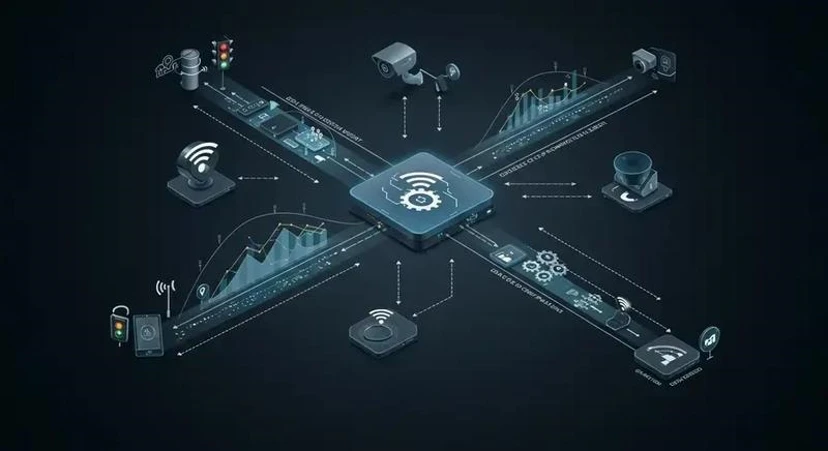
Edge-based image processing is widely used across various industries:
- Surveillance and security systems
- Facial recognition on smartphones
- Autonomous and smart vehicles
- Healthcare and medical devices
- Smart cities
Pishgaman Lotus has been actively developing solutions in these domains to bring practical AI applications closer to real-world deployment.
Conclusion: The Future is at the Edge
Image processing on edge devices is no longer a luxury—it is becoming a necessity.
With continuous improvements in optimization techniques like quantization and pruning, running complex AI models on small devices is now a reality.
Pishgaman Lotus is committed to advancing this field by delivering efficient, scalable, and intelligent edge AI solutions for a smarter and more secure future.
Our articles:"What Is the Difference Between Image Processing and Computer Vision?"
Similar Blogs
Cancer Detection with Image Processing and Artificial Intelligence


Image Processing and Object Detection in Autonomous Vehicles

Text-to-Video: The AI Revolution in Video Creation
Have special project to begin?
Contact us if you need a unique website for your special requirements, if you think having a mobile application help you reach your business’s goals or you still do not recognize which product can help you implement your ideas. Lotus Pioneers accompany you to develop your business through consulting and by designing special products.