Image Processing and Object Detection in Autonomous Vehicles
Object Detection in Autonomous Vehicles
Introduction
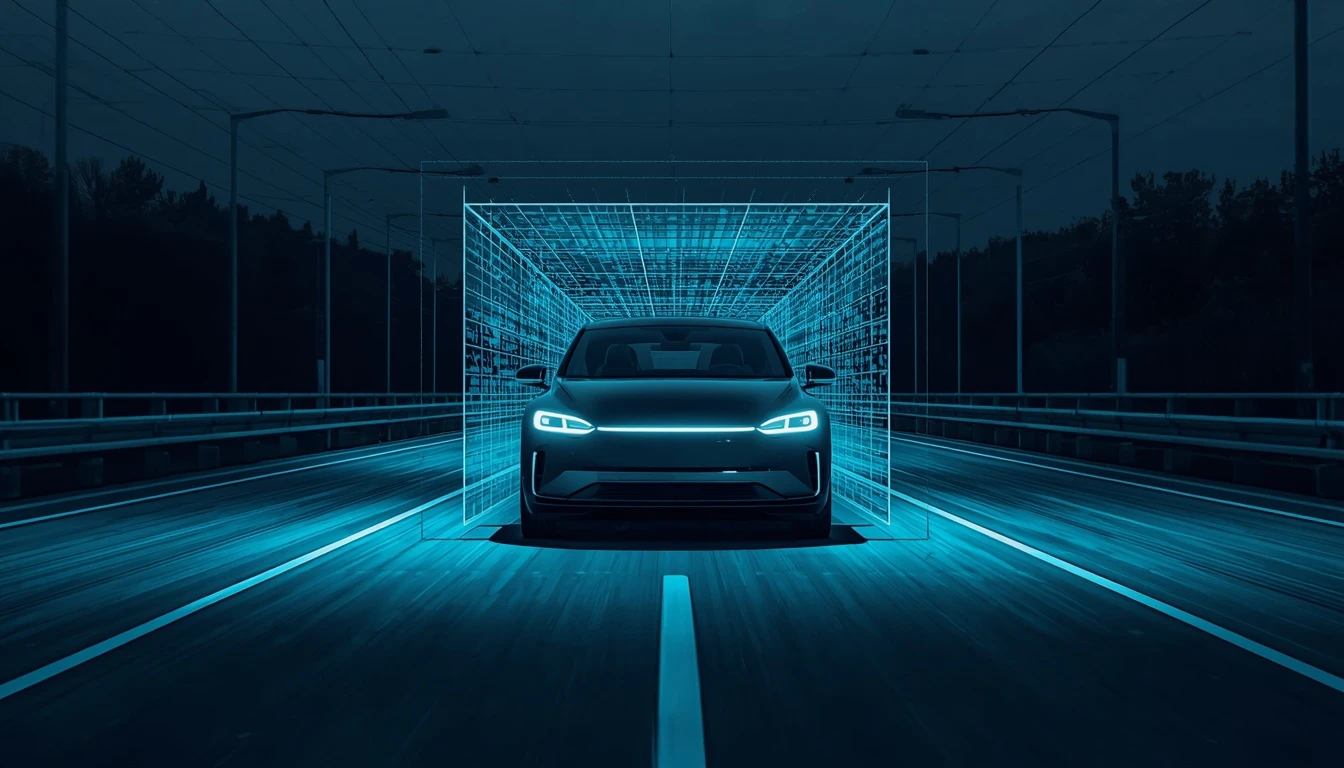
Autonomous vehicles need to understand their surroundings in order to navigate without continuous human control. Detecting other vehicles, pedestrians, cyclists, traffic signs, traffic lights, road lanes and obstacles is part of a broader process known as environmental perception.
Computer vision and image processing play an important role in this process. Cameras installed around the vehicle continuously capture visual information, while AI algorithms transform raw images into useful information for the driving system.
However, seeing an object is only the beginning. An autonomous vehicle needs to understand what the object is, where it is located, how it is moving and how its movement may evolve. Therefore, image processing is one component of a larger pipeline involving perception, detection, tracking, prediction and decision-making.
What Is Image Processing in Autonomous Vehicles?
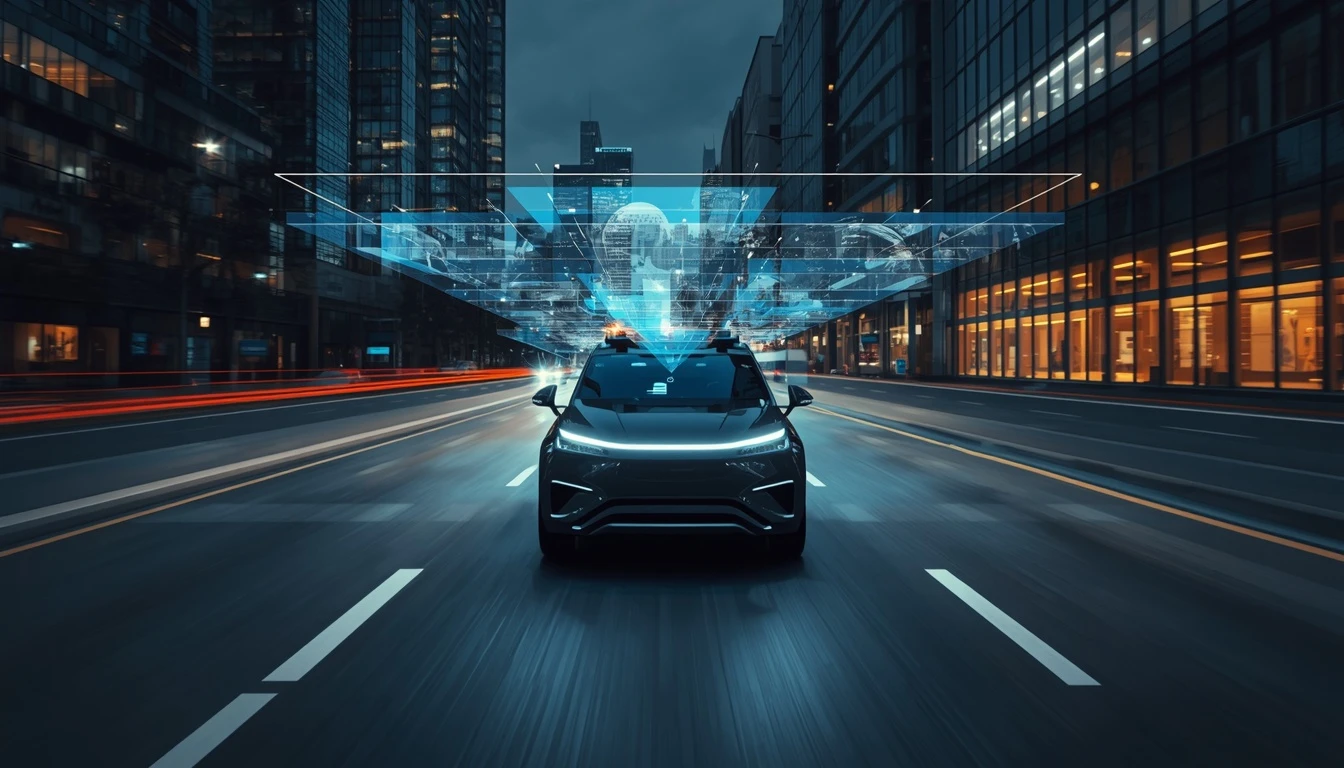
Image processing in autonomous vehicles refers to techniques that transform visual information captured by cameras into structured information that an intelligent driving system can understand.
A raw image has limited meaning for an autonomous driving system. AI models need to identify different elements within the scene and determine which areas correspond to roads, vehicles, pedestrians, obstacles and other objects.
Modern autonomous driving systems can use deep neural networks and computer vision models for object detection, classification, image segmentation and scene understanding. In advanced architectures, camera data can also be combined with LiDAR and radar information to create a more detailed representation of the surrounding three-dimensional environment.
For Pishgaman Lotus, this field represents an advanced AI application where software, data, machine learning models and real-time processing must work together.
How Does Object Detection Work?
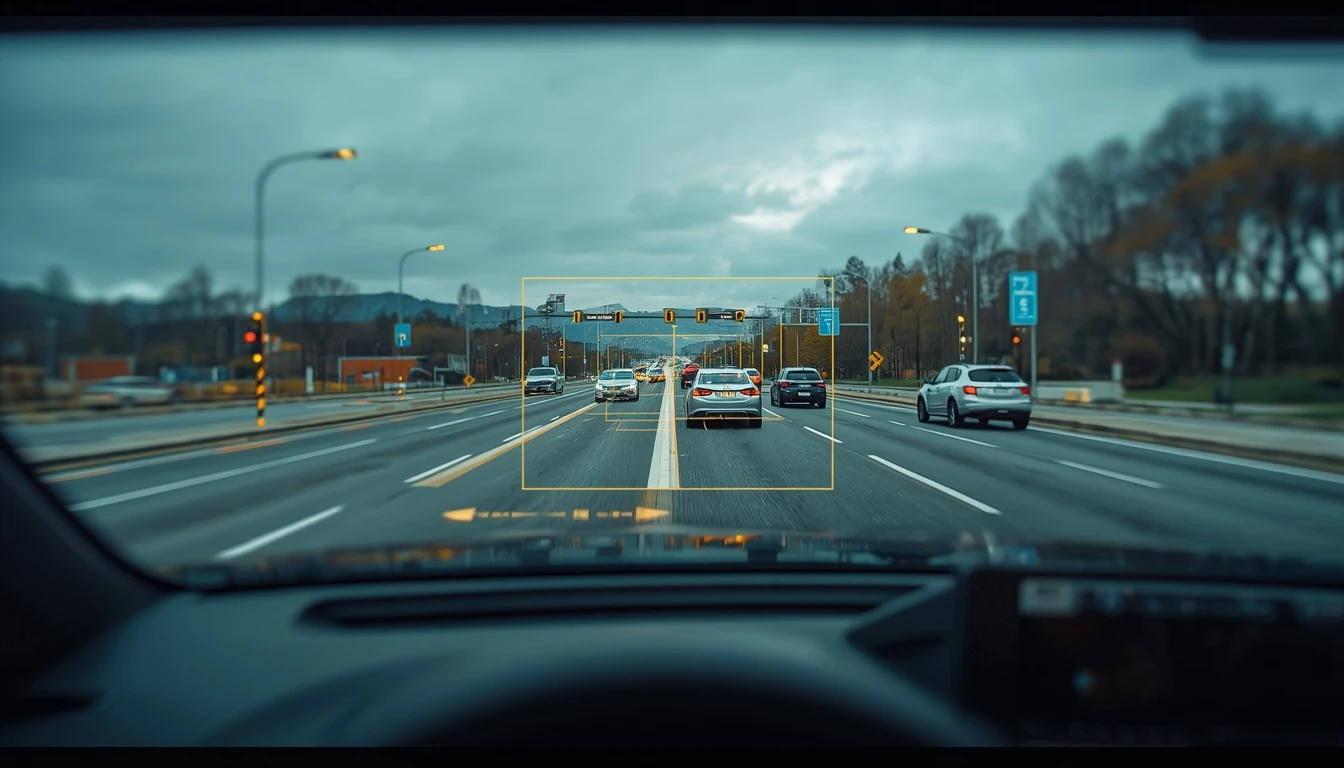
Object detection is one of the most important computer vision tasks in autonomous driving. The goal is not simply to recognize an image but to identify the objects inside the scene and determine their locations.
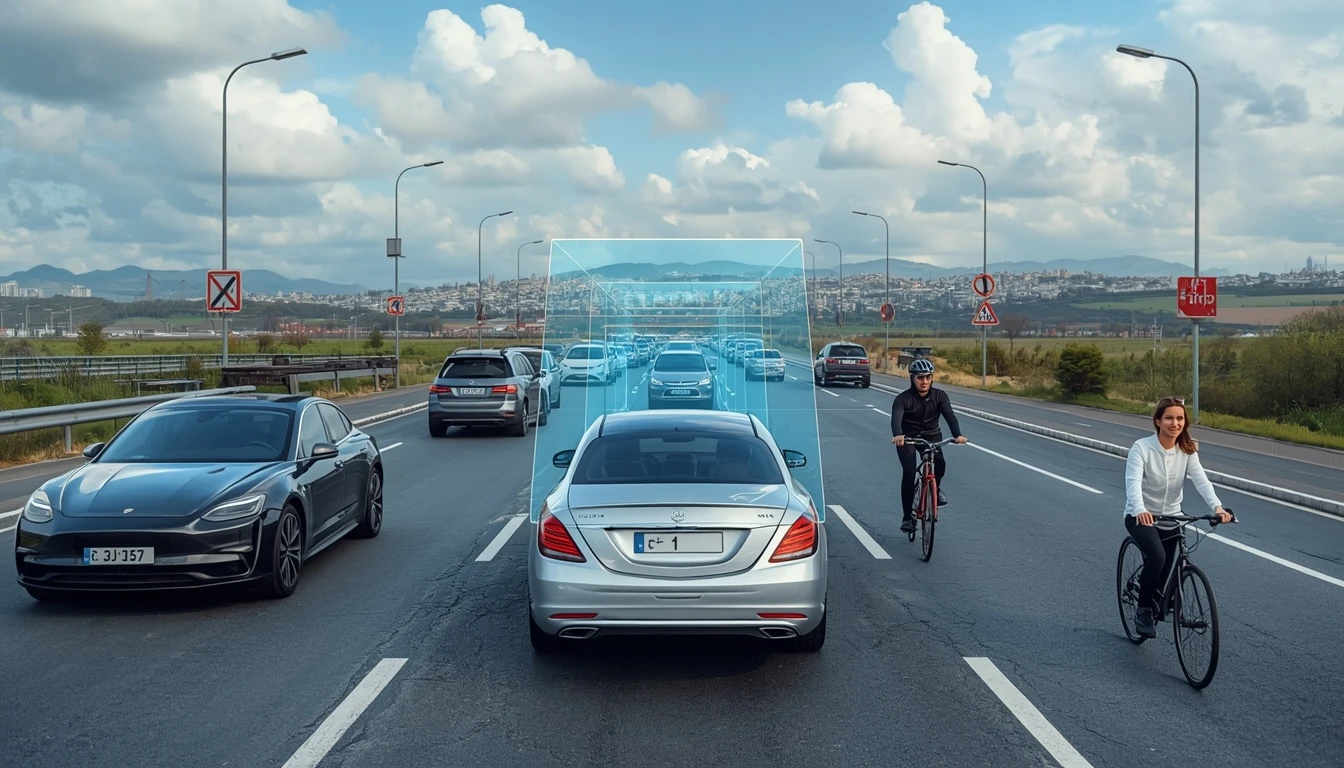
For example, an autonomous vehicle may detect a car ahead, a pedestrian on the right side of the road and a cyclist on the left. Their positions can then be analyzed across consecutive frames to track their movement.
More advanced systems extend 2D detection into 3D object detection, estimating the position and dimensions of objects in three-dimensional space.
The Role of Cameras, LiDAR and Radar
Cameras are not necessarily the only sensors used by autonomous vehicles. Different sensors provide different types of information.
Cameras provide rich visual and semantic information such as traffic light colors, road signs, lane markings and object appearance. LiDAR provides detailed three-dimensional geometric information by measuring distances around the vehicle. Radar can provide information about object distance and velocity and can remain useful under challenging conditions such as rain, fog or snow.
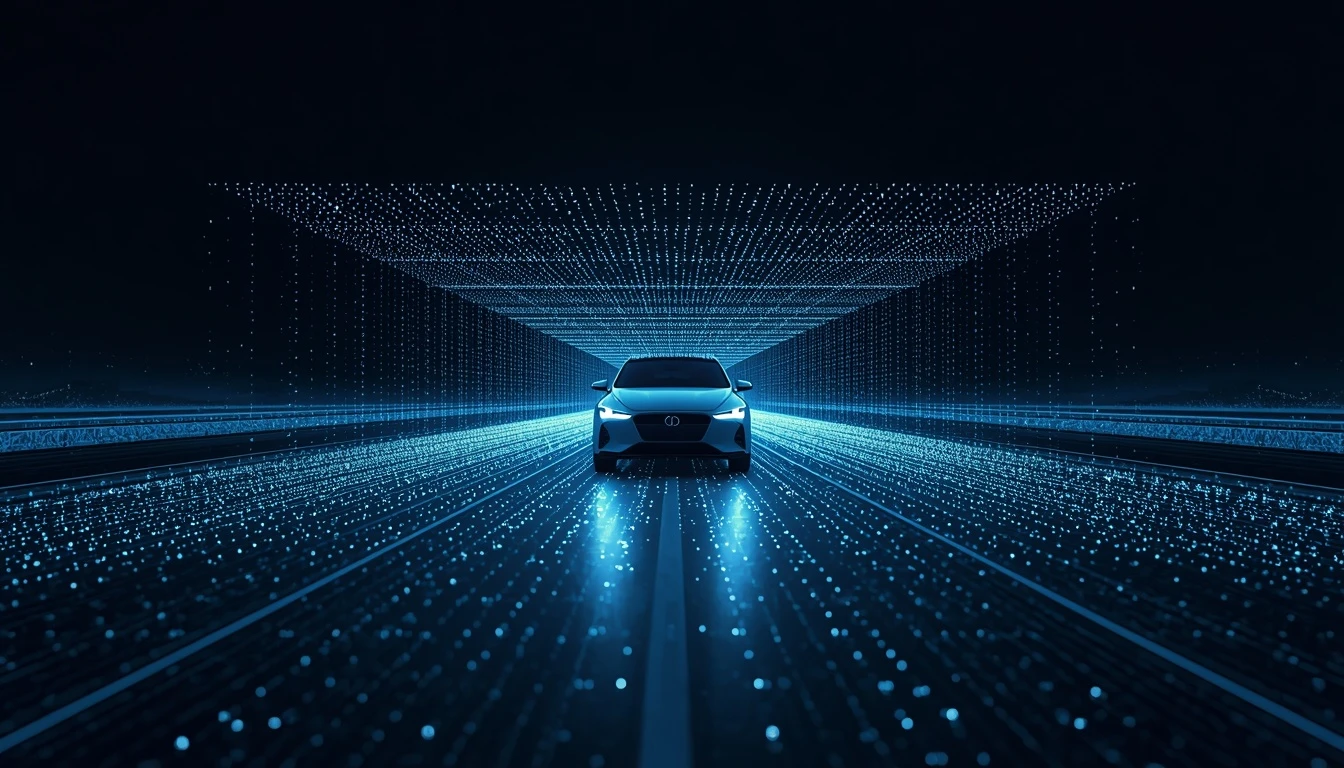
Combining information from multiple sensors is generally known as sensor fusion. Instead of relying on one information source, the system combines multiple inputs to create a more comprehensive representation of the environment.
Lane Detection and Scene Understanding
Detecting cars and pedestrians is only one part of autonomous perception. The vehicle also needs to understand the environment in which it is operating.
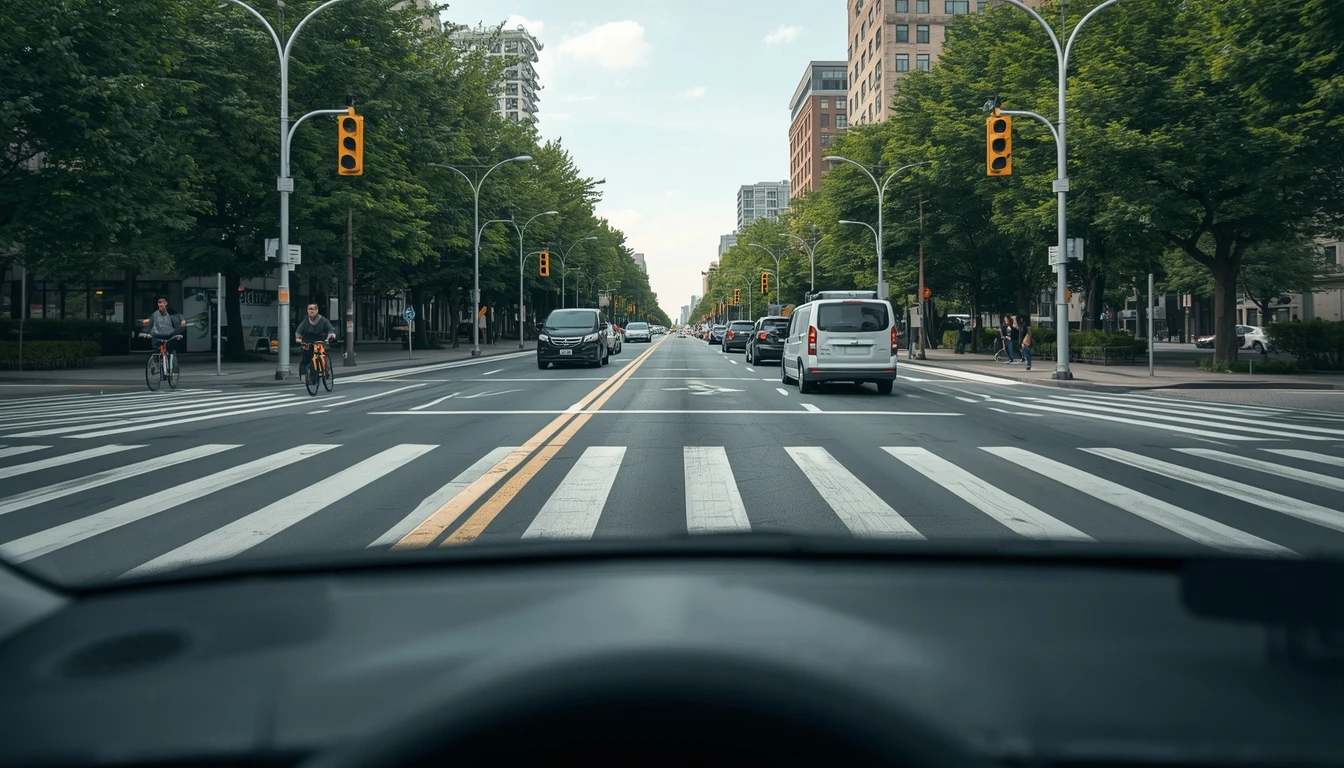
Lane detection helps identify the lanes and boundaries available to the vehicle. More advanced scene-understanding systems can distinguish roads, sidewalks, intersections, traffic lights, signs, parked vehicles, obstacles and other elements.
Semantic segmentation is another important technique in this area. It divides an image into meaningful categories, allowing the system to build a more detailed understanding of the scene.
Object Tracking and Motion Prediction
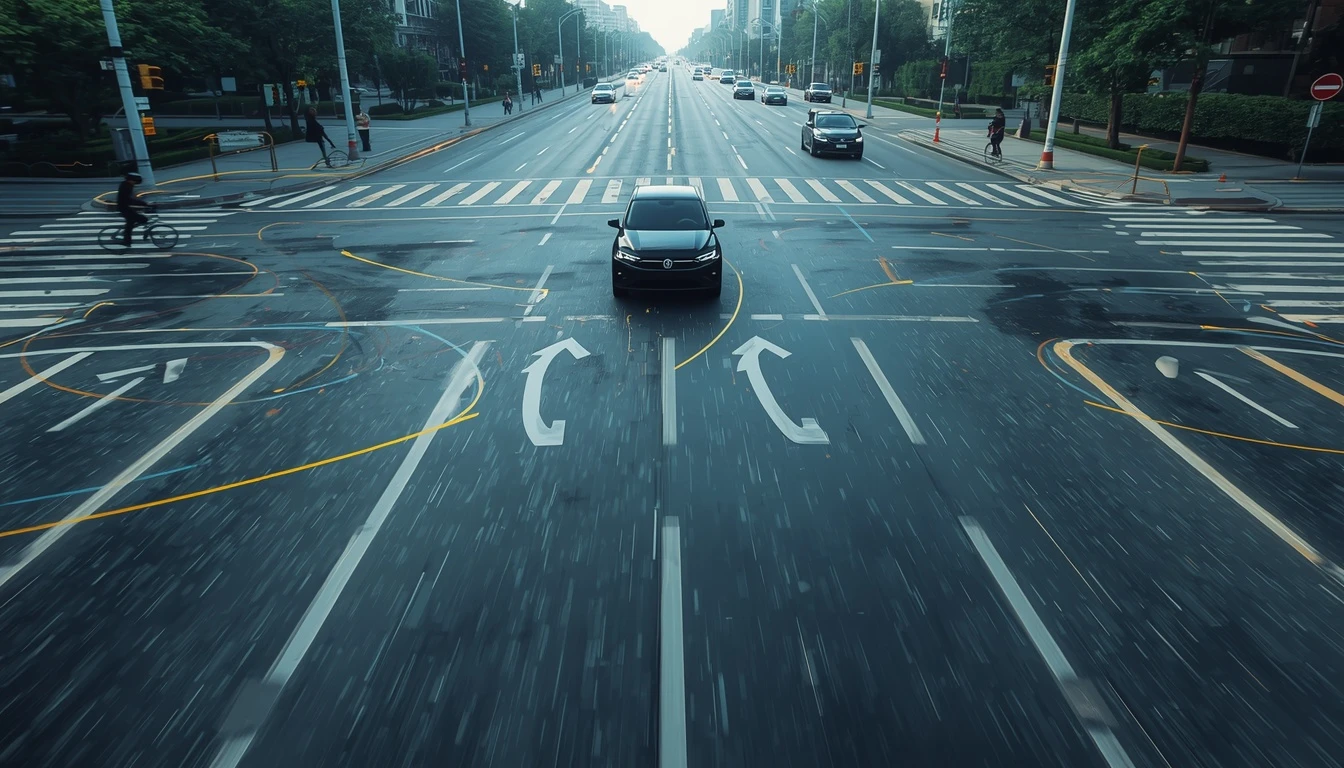
Detecting an object in a single frame is not enough. An autonomous vehicle needs to track objects across multiple frames.
For example, if a pedestrian is walking alongside a road, the system needs to continuously estimate the pedestrian's position. Similarly, if the vehicle ahead starts slowing down, the system must detect this change and pass the relevant information to subsequent components.
Object tracking analyzes objects over time, while motion prediction can use historical information to estimate possible future trajectories.
These capabilities are important because autonomous driving is not only about understanding where objects are, but also about understanding how they are moving.
Challenges of Image Processing in the Real World
Real-world environments are significantly more complex than controlled datasets. Bright sunlight, darkness, rain, snow, fog, reflections, shadows and dirty camera lenses can all affect computer vision performance.
Another major challenge is the long tail of rare events. An autonomous system may perform well across thousands of common scenarios while still encountering unusual combinations of objects or environmental conditions that are difficult to handle.
Therefore, developing autonomous perception systems requires much more than training a single model. Data collection, annotation, simulation, evaluation and continuous model improvement are all important parts of the development process.
AI and Real-Time Processing
One of the key differences between autonomous vehicle computer vision and many conventional computer vision applications is the need for real-time processing.
The system must process sensor data within very short time windows. Therefore, model accuracy is only one factor. Inference speed, energy consumption, hardware architecture and deployment strategy are also critical.
Modern autonomous driving platforms use onboard computing systems to process sensor information and run AI models directly inside the vehicle.
This demonstrates an important principle in advanced AI development: selecting a powerful model is not enough. The entire pipeline—from data collection to model execution and deployment—must be designed around the operational environment.
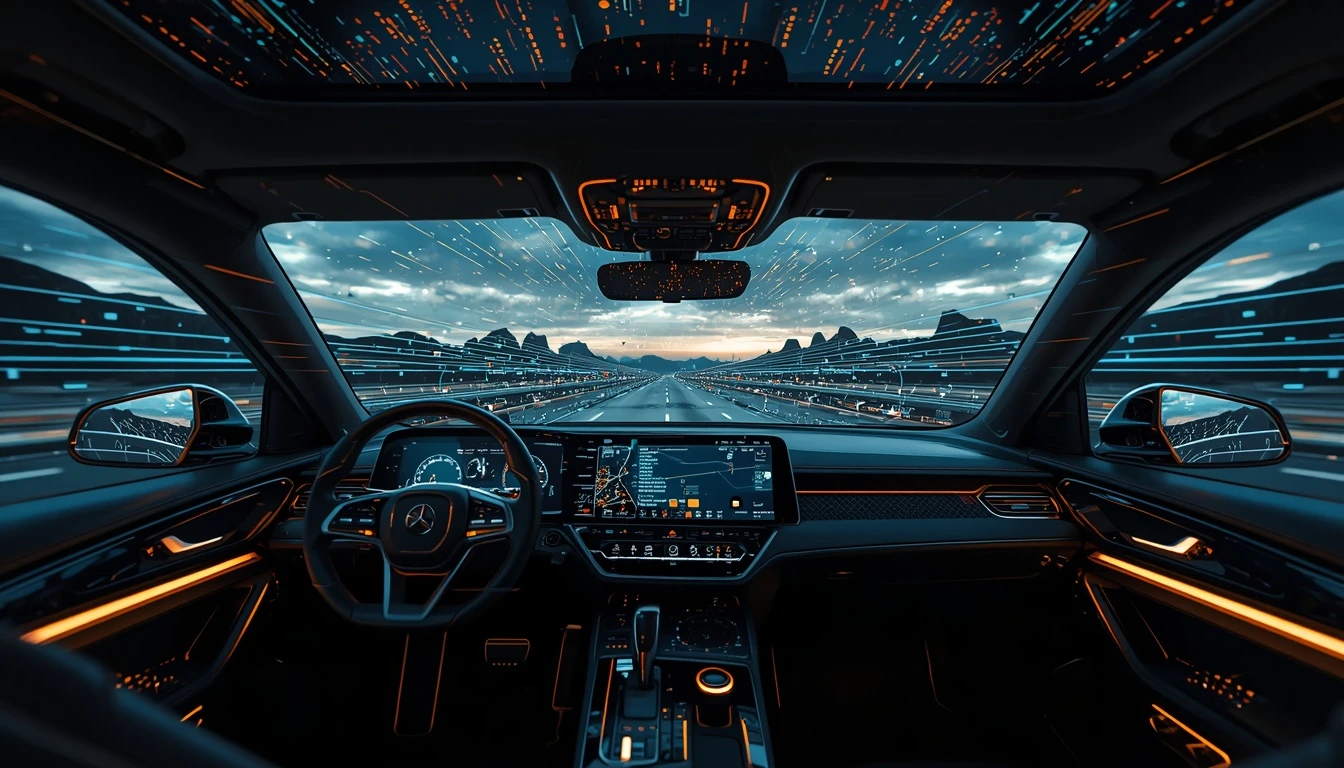
The Future of Computer Vision in Autonomous Vehicles
The future of autonomous perception is moving toward multimodal models, advanced scene understanding, 3D object detection, sensor fusion and increasingly integrated end-to-end systems.
Modern research is exploring models capable of combining visual and other types of input for tasks such as 3D detection, scene understanding and trajectory planning.
Future autonomous systems may therefore move beyond simply identifying individual objects and increasingly focus on understanding relationships between objects, road structures and potential behaviors.
For Pishgaman Lotus, this field represents a strong example of how artificial intelligence, computer vision, data processing and software engineering can converge into sophisticated intelligent systems.
Conclusion
Image processing and object detection are fundamental components of autonomous vehicle technology.
An autonomous vehicle needs to observe its surroundings, identify objects, estimate their positions, track their movement and provide meaningful information to prediction and decision-making systems.
Cameras, LiDAR and radar provide complementary information, while deep learning, real-time computing, high-quality datasets and continuous evaluation contribute to the overall perception system.
Autonomous vehicle perception demonstrates how AI can move beyond a simple software feature and become part of a complex physical system. Developing such solutions requires a combination of artificial intelligence, software engineering, data processing and computing infrastructure—areas where Pishgaman Lotus can apply its technical capabilities.
Our articles:"Text-to-Video: The AI Revolution in Video Creation"
Blog Tags
Similar Blogs
Text-to-Video: The AI Revolution in Video Creation

Industrial Machine Vision: The Quality Control Revolution
Facial Recognition & Deepfake: The New Biometric Security Challenge
Have special project to begin?
Contact us if you need a unique website for your special requirements, if you think having a mobile application help you reach your business’s goals or you still do not recognize which product can help you implement your ideas. Lotus Pioneers accompany you to develop your business through consulting and by designing special products.