Generative UI; The User Interface That Builds Itself
Generative UI


Introduction
For years, web and application user interfaces have been designed around a relatively fixed model: designers define the structure of the pages, developers implement it, and users eventually interact with a predefined set of elements. However, the rise of generative AI is changing this model. Generative UI is an approach in which parts of the user interface can be dynamically generated or modified based on each user's needs, behavior, data, and requests.
In this model, the user interface is no longer simply a static layer for displaying information. It can become an intelligent part of the product experience. The system can understand what information a user needs and determine an appropriate way to present that information.
This transformation is becoming an important direction in the future of product design and software development. Pishgaman Lotus can take advantage of the combination of UI/UX design, software development, and artificial intelligence to create these types of experiences.
What Is Generative UI?
Generative UI refers to an approach in which parts of a user interface can be dynamically generated, adjusted, or rearranged with the help of artificial intelligence. In a traditional interface, almost every possible page state is predefined by the design and development teams. In Generative UI, the system can determine a more suitable interface based on the user's current context.
For example, imagine a user asking an intelligent assistant: “Create a plan for my weekend trip.” Instead of displaying a long textual response, the assistant could generate an interface containing a daily itinerary, routes, schedules, locations, and interactive options.
In this situation, the interface has been generated specifically for that request. Generative UI can therefore be viewed as a connection point between artificial intelligence, data, and user experience design.

How Is Generative UI Different from Traditional UI?
In traditional design, the designer and developer first define the page structure and then place data within that structure. As a result, the same page generally provides a similar experience for a large group of users.
With Generative UI, data and user requests can influence the structure of the interface itself. Instead of always having “one predefined page for everyone,” the system can potentially create different structures for different users or situations.
This does not mean that UI/UX design becomes unnecessary. In fact, design becomes even more important because designers need to determine which elements can be generated, what limitations should exist, and how to prevent the system from producing inconsistent or confusing interfaces.
How Does AI Generate a User Interface?
A Generative UI system typically combines several technologies. A language model or AI system can analyze a user's request and determine which information or functionality is required.
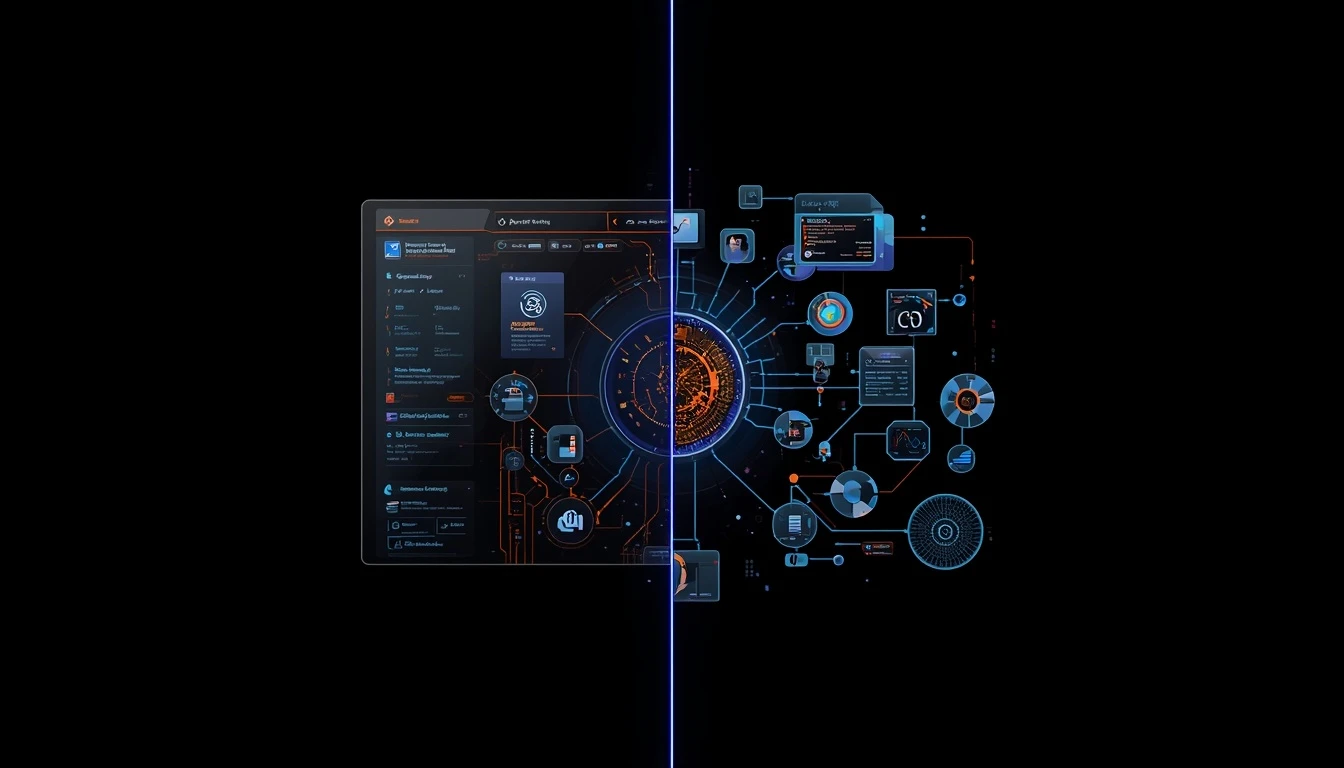
The system can then select and populate a set of predefined UI components based on that analysis. In more advanced architectures, the AI model can generate a structured representation of the interface, which the application then turns into a real interactive UI.
Therefore, Generative UI does not necessarily mean that AI writes completely new HTML or CSS code every time. A professional implementation can use a controlled design system containing predefined components, while the AI determines which combination of those components is appropriate in each situation.
This approach can provide the flexibility of AI while maintaining the consistency and control required by a professional digital product.

Applications of Generative UI in Websites and Applications
Generative UI can be applied to a wide range of digital products. One of its most important applications is the development of intelligent assistants that present information through interactive experiences instead of simple text responses.
In e-commerce platforms, the system can dynamically generate product comparisons, relevant filters, and personalized recommendations based on the user's needs. In enterprise software, adaptive dashboards can be created based on each user's role and activity.
In education, the interface can adapt to the learner's knowledge level. In financial platforms, relevant information and tools can be displayed in a structure tailored to each user's needs.
This approach is particularly valuable for complex products where different users have significantly different requirements.

Generative UI and Personalized User Experiences
One of the most attractive capabilities of Generative UI is personalized user experience. In traditional interfaces, personalization is often limited to changing colors, recommending content, or rearranging certain elements.
With generative interfaces, the structure of the experience itself can change. For example, a user who frequently works with analytics might receive a data-focused dashboard, while another user who primarily needs quick actions could receive a simpler interface centered around essential operations.
However, personalization must be combined with UX principles, privacy, and user control. If an interface looks completely different every time it is used, users may become confused. Therefore, the goal of Generative UI should not be to constantly change everything, but to create an intelligent, predictable, and context-aware experience.

Challenges of Designing Generative Interfaces
Despite its advantages, Generative UI introduces several important challenges. One of the main challenges is controlling the quality of generated interfaces. An AI model may not always select the optimal structure, which makes rules, constraints, and standardized components essential.
Another challenge is consistency. Users need to learn the core patterns of a product and encounter predictable behaviors across different parts of the system.
Performance is also critical. If generating a new interface introduces significant delays, the user experience can suffer. Data security, privacy, model-output control, and responsive behavior across mobile and desktop devices are also important considerations.
For this reason, successful Generative UI implementation depends on much more than choosing an AI model. It requires a combination of software architecture, product design, and user experience expertise.

The Role of UI/UX Designers in the Age of Generative UI
It may seem that Generative UI reduces the importance of UI/UX designers, but the opposite is more likely to be true. Designers need to create a design system within which AI can generate diverse but consistent interfaces.
Component design, visual hierarchy, different UI states, user flows, and testing of generated experiences still require human expertise.
In this model, the designer evolves from being “a designer of individual pages” into “a designer of an experience system.” This shift can make UI/UX design even more important in AI-driven products.
The Future of Generative UI
Generative UI could become an important step in the transition from static software to adaptive software. In the future, users may interact less with predefined pages and more with systems that shape their interfaces around the user's goals.
In these products, the boundary between an “intelligent assistant” and a “user interface” may become increasingly blurred. Users will not simply ask questions; they may ask the system to create a report, compare information, perform an operation, or build a suitable dashboard, while the system generates the necessary interface in real time.
This trend can move web design, mobile applications, and enterprise software toward more intelligent and flexible experiences.

Generative UI in the Product Development Journey of Pishgaman Lotus
For Pishgaman Lotus, Generative UI can sit at the intersection of several areas of expertise. Combining artificial intelligence, product UI/UX design, and complex software development creates an opportunity to move digital products beyond completely static interfaces toward adaptive experiences.
For example, an enterprise system could adjust its dashboard according to a user's role, activity, and needs. A service platform could display the most relevant tools through an interactive interface based on a user's request. An intelligent assistant could go beyond text responses and create a practical, interactive experience.
In such projects, Pishgaman Lotus can provide an integrated path from user research and experience design to software architecture, AI capability development, and final product implementation.
Conclusion
Generative UI is not simply a new way to design the visual appearance of pages. It represents a fundamental shift in how people interact with software. In this approach, the interface can adapt to the user's goals, data, and context, creating a more flexible experience.
However, successful Generative UI requires more than artificial intelligence. It depends on professional design, appropriate software architecture, security, quality control, and a deep understanding of user behavior.
As the industry moves toward AI-Native products, generative interfaces are likely to play a growing role in websites, mobile applications, and enterprise software. For companies such as Pishgaman Lotus, this technology can create opportunities to build a new generation of intelligent and personalized digital products.

Our articles:"AI-Native Websites: The Future of Web Design"
Have special project to begin?
Contact us if you need a unique website for your special requirements, if you think having a mobile application help you reach your business’s goals or you still do not recognize which product can help you implement your ideas. Lotus Pioneers accompany you to develop your business through consulting and by designing special products.