AI-Native Websites: The Future of Web Design
The Future of Web Design

Introduction: When a Website Becomes More Than a Page
For years, websites have been designed around a relatively fixed model: users enter a website, browse menus, open different pages, find the information they need, and eventually complete an action such as making a purchase, registering, or submitting a form.
However, the emergence of Generative AI, AI Agents, and intelligent interfaces is changing this model. In AI-Native websites, artificial intelligence is not simply an additional chatbot or a secondary feature; it can become part of the core architecture, user experience, search system, personalization layer, and even the execution of different processes.
Pishgaman Lotus can play an important role in transforming traditional websites into intelligent and AI-Native digital experiences by combining UI/UX design, web development, artificial intelligence, and software infrastructure.
What Exactly Is AI-Native?
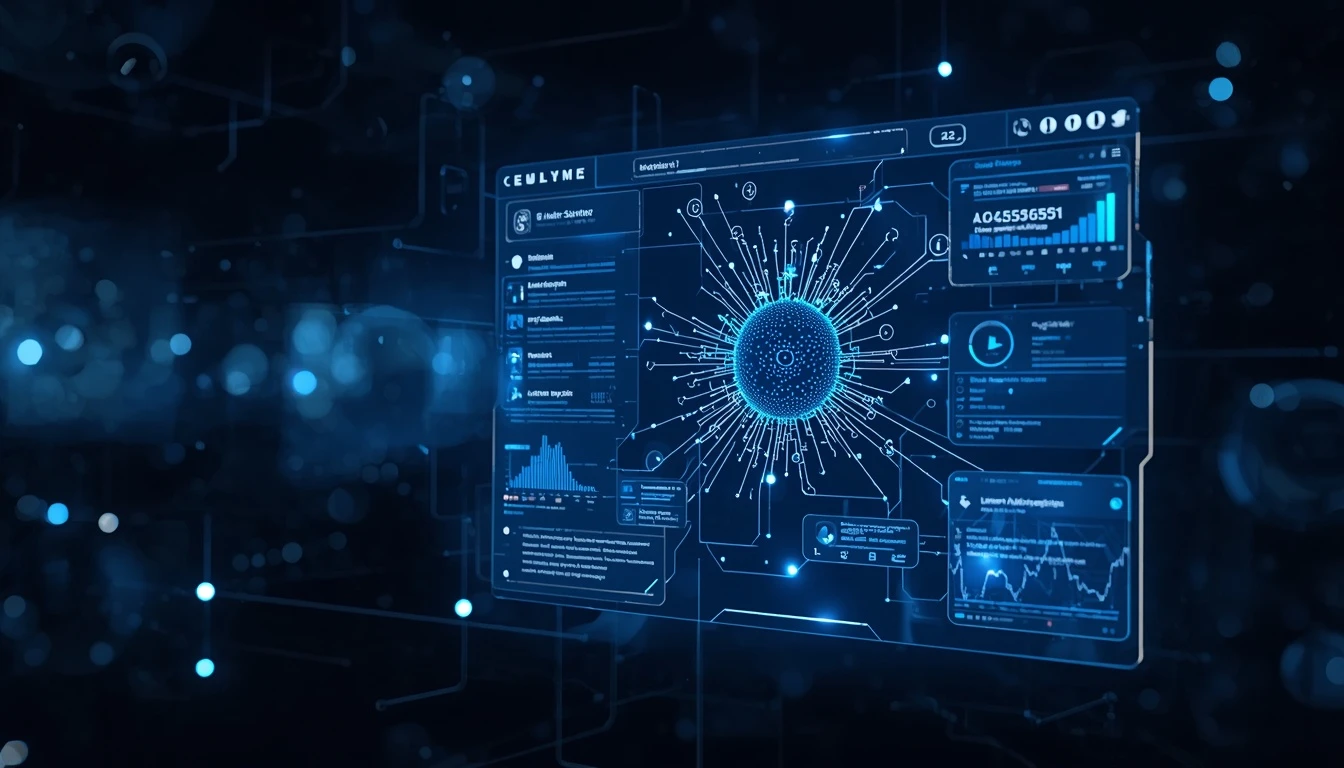
AI-Native refers to a product or system in which artificial intelligence is designed as one of its core components from the beginning, rather than being added later as an additional feature such as a chatbot.
In a traditional website, the structure is generally built around pages, menus, buttons, and forms. In an AI-Native website, however, the system can understand the user's intent and suggest the most appropriate path to achieve a desired outcome.
For example, instead of browsing through multiple pages of an online store, a user could simply say:
“Find me a laptop suitable for graphic design within this budget.”
The system could analyze the available products, compare them, and provide recommendations based on the user's requirements.
Pishgaman Lotus can integrate UI/UX layers, business logic, APIs, AI models, and software infrastructure into a unified architecture for these types of intelligent systems.
The Difference Between Traditional and AI-Native Websites
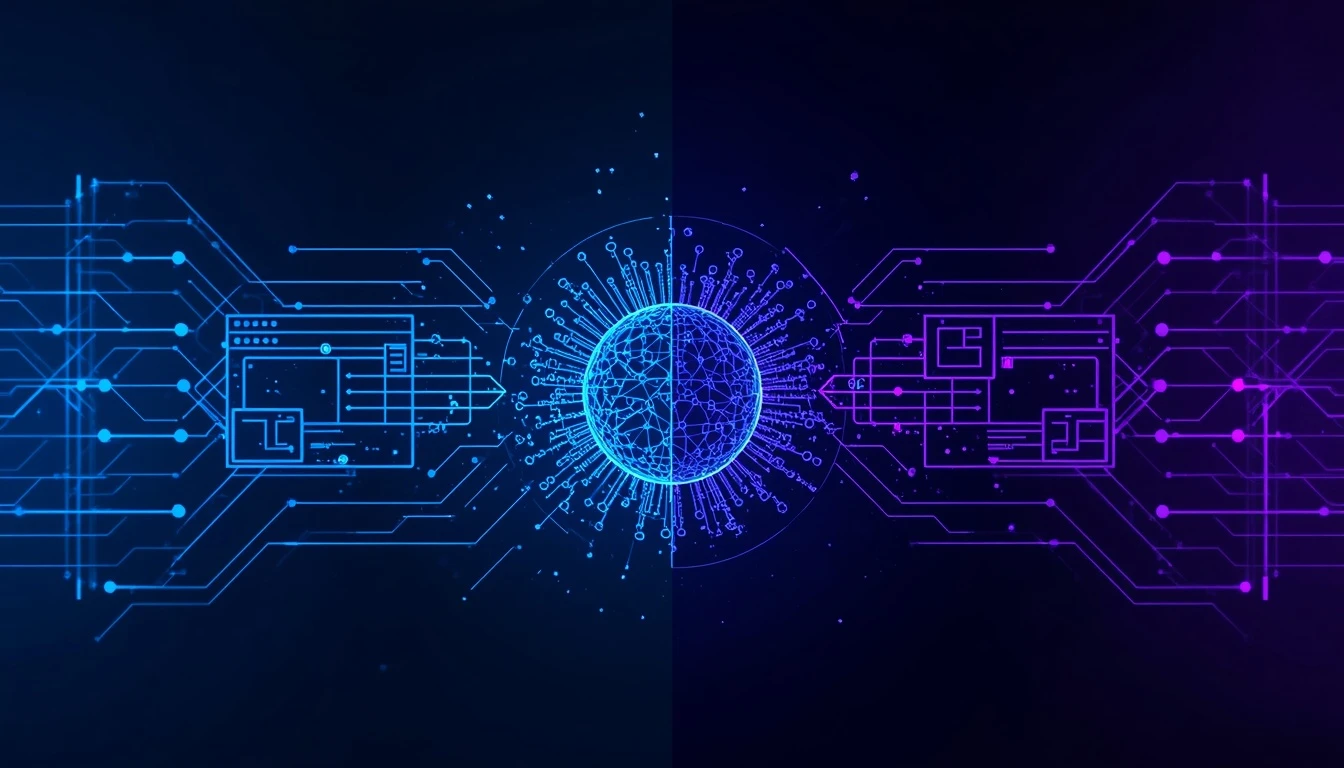
The main difference is not simply the visual appearance of the website; it is the way the system works and responds.
In a traditional website, the user's journey is largely predefined. The user visits the homepage, enters a category, selects a product, and opens its details page.
In an AI-Native system, the journey can change based on the user's intent, behavior, and context.
For example, a website can identify whether a user is looking to make a purchase or is simply researching. It can then display more relevant content, provide different recommendations, or simplify the purchasing process.
In other words, the website evolves from an information-display environment into an interactive decision-support system.
Pishgaman Lotus can implement this transformation in intelligent web projects, from information architecture and UX design to Frontend, Backend, and AI integration.
How Does the User Interface Change in AI-Native Websites?
One of the most important changes is the shift from Navigation-Based UX toward Intent-Based UX.
In traditional design, users have to find their desired path through the interface. In AI-Native design, the system attempts to understand what the user wants.
For example, instead of searching through several menus in a platform, a user could simply say:
“I want to check the status of my order from last week.”
The system can identify the relevant order and provide the result directly.
This does not mean that menus and graphical interfaces will disappear completely. Instead, a combination of visual interfaces, intelligent search, conversational interaction, and contextual actions will emerge.
In Pishgaman Lotus projects, UI/UX can be designed so that artificial intelligence becomes an integrated part of the user experience without exposing the underlying technological complexity to the user.
Personalization: A Different Experience for Every User
Another important characteristic of AI-Native websites is Personalization.
On a traditional website, most users may see almost the same interface and content. An intelligent system, however, can use permitted data and available context to create a more personalized experience for each user.
For example, it can provide:
Product recommendations based on user needs
More relevant content
Suggestions for the next step in a process
Personalized dashboards
Customized information displays
Intelligent recommendations based on user behavior
As a result, web design moves from a fixed structure toward a dynamic and adaptive experience.
Pishgaman Lotus can combine data analysis, software development, AI, and product design to create the infrastructure required for personalized digital experiences.
AI Agents: When Websites Can Take Action
One of the most important developments in the future of the web is the emergence of AI Agents.
A conventional chatbot mainly responds to user questions, while an AI Agent can follow multiple steps to achieve a specific goal.
For example, a user might say:
“Schedule a meeting for next week and send the information to the team.”
With the appropriate permissions and access, an AI Agent could:
Check available time slots.
Review the calendar.
Select an appropriate time.
Create the meeting.
Send the meeting information to the relevant people.
This interaction model is contributing to the development of what is increasingly described as the Agentic Web—a web in which software agents can interact with websites and services on behalf of users.
Pishgaman Lotus can contribute to the development of Agentic systems, APIs, Backend services, and user interfaces required for this new generation of intelligent websites.
Websites Must Also Be Understandable to AI
One of the important changes in future web design is that websites will not be designed only for humans.
AI Agents need structured, semantic, and machine-readable information in order to interact effectively with websites. Therefore, technologies and practices such as Semantic HTML, structured data, clear element naming, stable APIs, and well-organized information architecture are becoming increasingly important.
This means that a button should not only look visually appealing; intelligent systems should also be able to understand:
What does this button do?
Likewise, a product should not only contain an image and a title. Information such as price, availability, specifications, and status should be presented in a way that machines can understand and process.
In future web development, Pishgaman Lotus can consider these requirements from information architecture through Frontend and Backend development.
Web Search Is Moving Toward Conversation
Traditional search is generally based on keywords.
Users enter a phrase and receive a list of results.
In an AI-Native experience, however, users can describe their question or goal in natural language, and the system can respond based on meaning and context.
For example, instead of searching for:
“Men's running shoes”
A user could say:
“I need lightweight shoes for daily running that are suitable for urban routes.”
The system can extract the user's requirements and provide more relevant results.
This means Search is no longer simply an additional feature; it becomes one of the most important components of the user experience.
Pishgaman Lotus can combine semantic search, AI, UX design, and Backend development to create intelligent search experiences for different websites and digital platforms.
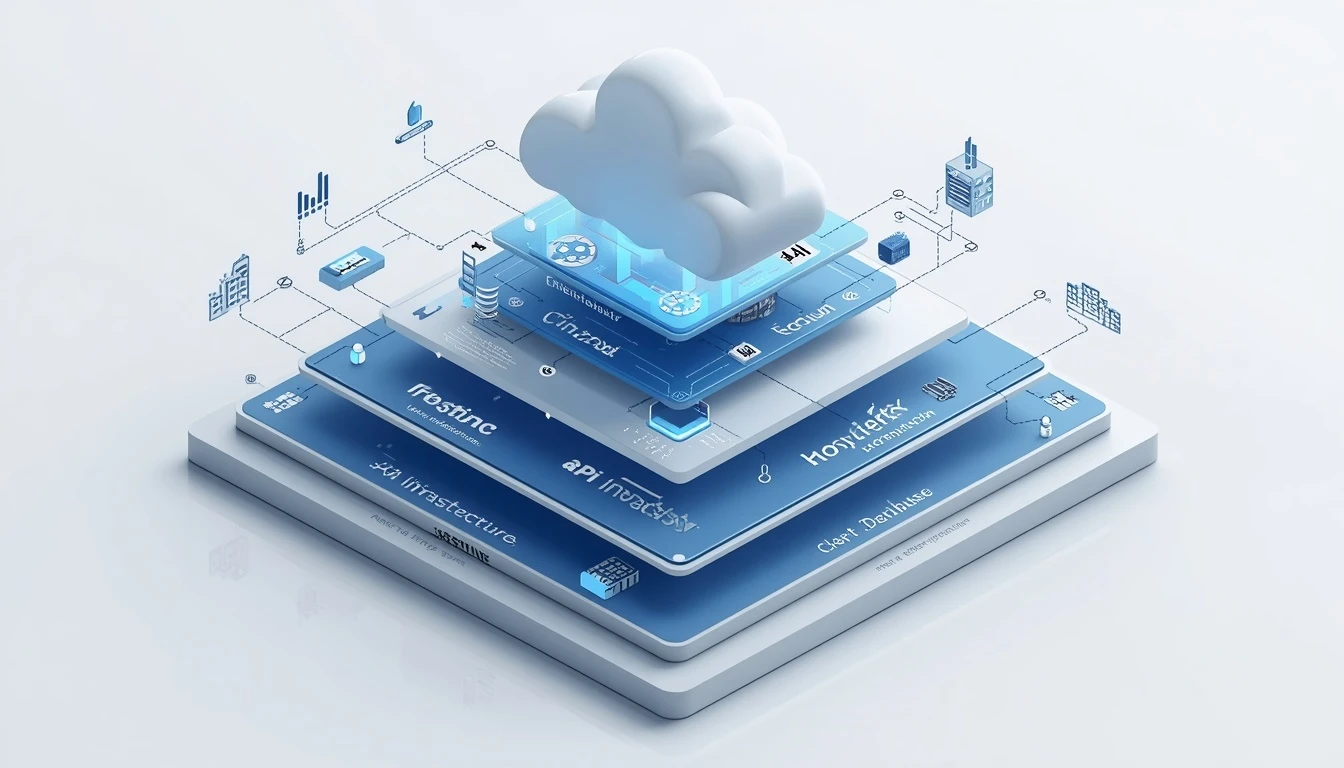
The Technical Architecture of AI-Native Websites
Building an AI-Native website is not limited to designing its visual appearance.
Behind the interface, multiple technologies can work together, including:
Frontend for creating interactive experiences,
Backend for business logic,
APIs for connecting services,
Databases for managing information,
AI Models for analysis and decision-making,
Vector Databases for semantic search and RAG,
and Infrastructure for reliable and scalable system operation.
The architecture should be designed in a way that allows future AI models, Agents, and intelligent capabilities to be integrated without requiring a complete redesign of the system.
The expertise of Pishgaman Lotus in complex web development, enterprise software, artificial intelligence, and infrastructure can be particularly valuable in such projects, because being AI-Native is not simply a Frontend capability; it affects the entire product architecture.
Security: The Most Important Challenge for Intelligent Websites
The more capabilities a website gives to intelligent systems, the more important security becomes.
If an AI Agent can access information, complete forms, or perform actions, it must be clearly defined:
What information can it access?
What actions is it allowed to perform?
Which actions require user confirmation?
How are Agent activities logged?
What happens if the Agent makes a mistake?
This is particularly important in areas such as banking, e-commerce, healthcare, and enterprise software.
Therefore, in an AI-Native architecture, security, access control, human approval, event logging, and data governance should be considered from the beginning.
Pishgaman Lotus can take security requirements into account when designing secure architectures for intelligent websites, from system design through development and deployment.
Will Traditional Web Design Disappear?
No—at least not in the near future. Visual design and Human-Centered Design will continue to be extremely important.
Future websites will most likely be designed not exclusively for humans or AI, but for both.
Human users will still need:
Attractive visual design
Speed
Accessibility
Visual hierarchy
Animation and interaction
Trust and security
At the same time, AI Agents need semantic structures, machine-readable data, clearly defined actions, and reliable information.
Therefore, the future of web design can be seen as a combination of Human-Centered Design + AI-Native Architecture.
Pishgaman Lotus can bring these two worlds together in a single digital product—one that is intuitive and engaging for humans while also being understandable and actionable for intelligent systems.
The Future of the Web: From Websites to Intelligent Web Experiences
The web is moving beyond an era in which websites were simply digital pages.
In the next generation, a website can understand information, analyze user behavior, personalize experiences, communicate with other services, and—within defined permissions—perform certain tasks intelligently.
Therefore, being AI-Native does not simply mean adding a chatbot to a website. An AI-Native website should incorporate artificial intelligence into its architecture, data, user experience, search capabilities, and interaction logic from the beginning.
For Pishgaman Lotus, this transformation represents an opportunity to combine several areas of expertise: artificial intelligence, complex web development, UI/UX design, enterprise software development, and infrastructure.
The future of the web will probably not belong to websites that simply display more information. It will belong to digital products that understand better, recommend better, and take the right action at the right time.
Conclusion
AI-Native websites represent one of the most important directions in the evolution of web design and development. In this approach, artificial intelligence is not an additional feature; it is considered from the beginning as part of the product architecture, user experience, data layer, search system, personalization, and interaction model.
At the same time, the rise of AI Agents means that websites will increasingly need to be designed not only for human users, but also for intelligent agents acting on behalf of humans.
For Pishgaman Lotus, this evolution creates an opportunity to combine expertise in artificial intelligence, UI/UX design, complex web and enterprise software development, mobile development, and infrastructure to help businesses build the next generation of intelligent digital products.
The future of the web belongs to experiences that do more than display information—experiences that understand users, adapt to their needs, and intelligently help them accomplish their goals.
Our articles:"What Is an AI Agent? The AI That Works for You"
Have special project to begin?
Contact us if you need a unique website for your special requirements, if you think having a mobile application help you reach your business’s goals or you still do not recognize which product can help you implement your ideas. Lotus Pioneers accompany you to develop your business through consulting and by designing special products.