Generative AI in Image Processing: From Creation to Visual Intelligence Revolution
Generative AI in Image Processing
Introduction: When Images Are No Longer Captured, But Created
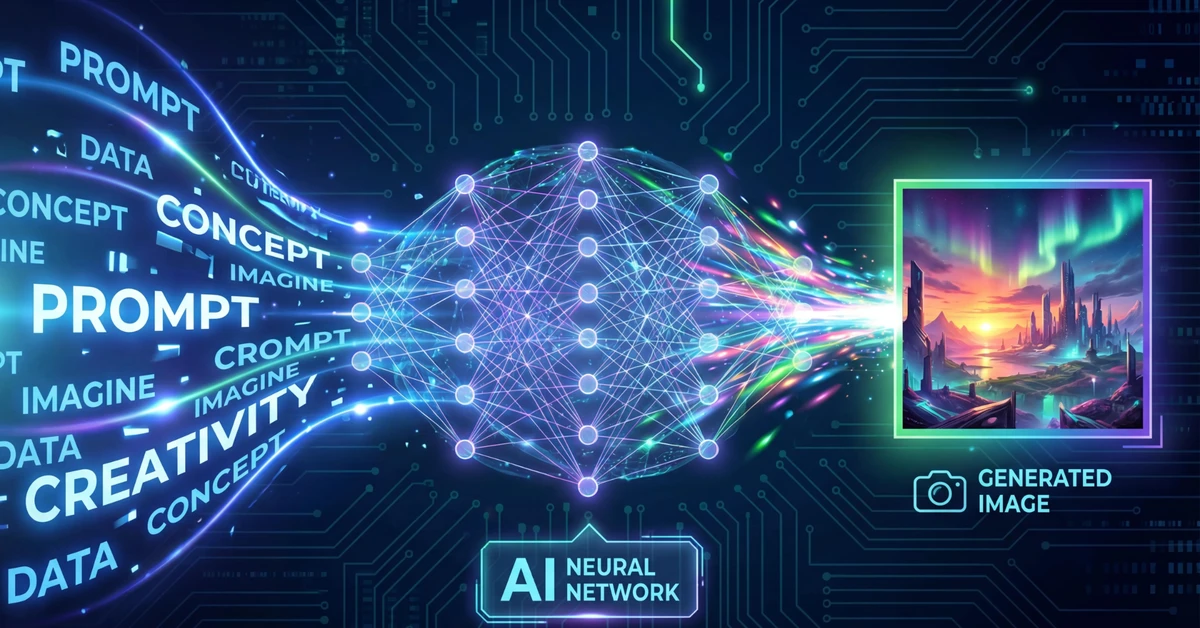
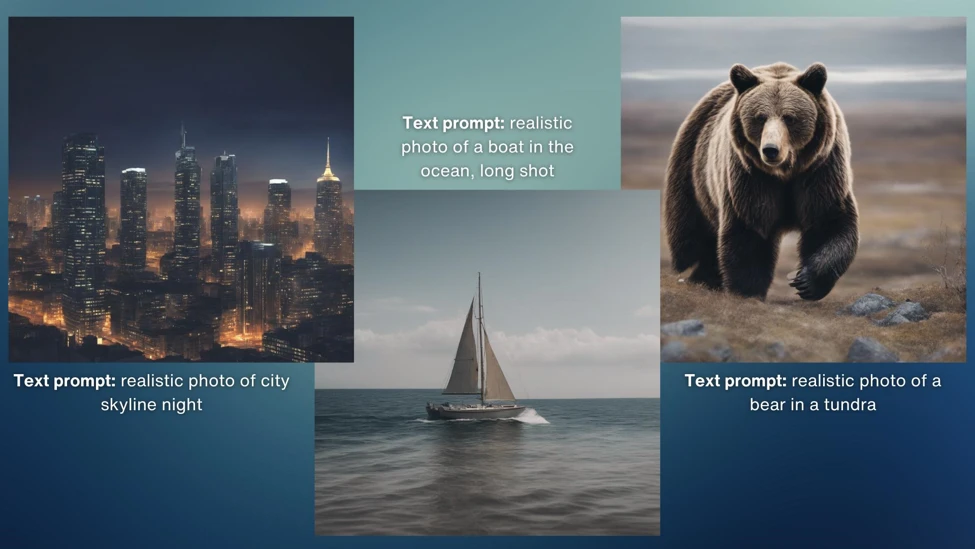
In the past, image processing was primarily about enhancing, analyzing, or interpreting existing visual data. Today, with the rise of generative artificial intelligence, images are no longer just captured—they are created. This shift marks a fundamental transformation in how machines interact with visual information.
Generative AI enables systems to produce entirely new images based on learned patterns, often indistinguishable from real-world visuals. This advancement is reshaping industries ranging from healthcare to marketing. Companies like Pishgaman Lotus are actively working to integrate these technologies into real-world applications, bridging the gap between research and industry.
Understanding Generative AI in Image Processing
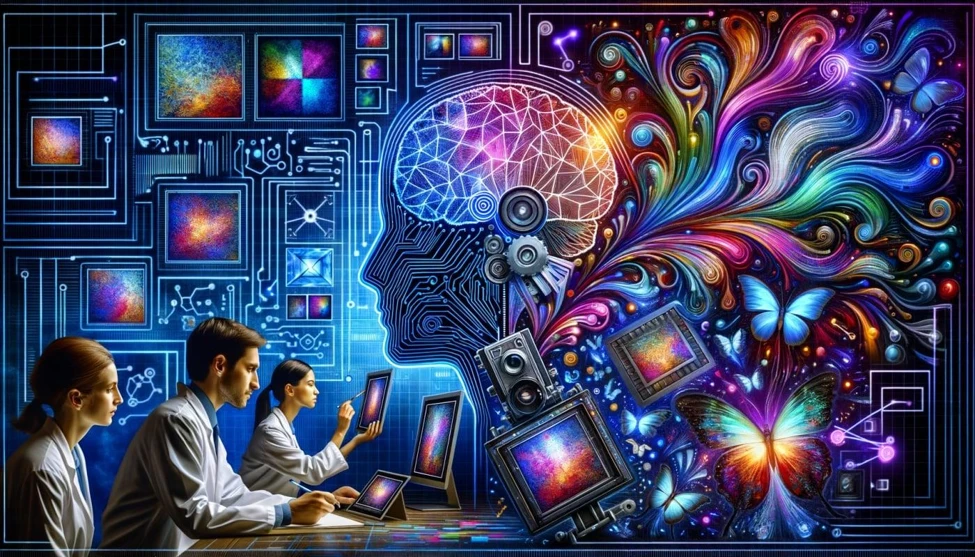
Generative AI refers to a class of models capable of generating new data that resembles the data they were trained on. In image processing, this means creating realistic or artistic visuals from scratch.
These models are trained on massive datasets of images, learning complex patterns such as textures, shapes, lighting, and spatial relationships. Once trained, they can generate new images by recombining and reinterpreting these learned features.
Technologies such as Generative Adversarial Networks (GANs), diffusion models, and transformer-based architectures play a key role in this process. Each of these approaches contributes to improving the realism, diversity, and controllability of generated images.
Organizations like Pishgaman Lotus leverage these advanced models to deliver intelligent solutions tailored to business needs, ensuring both creativity and functionality.
Transforming Image Processing Applications
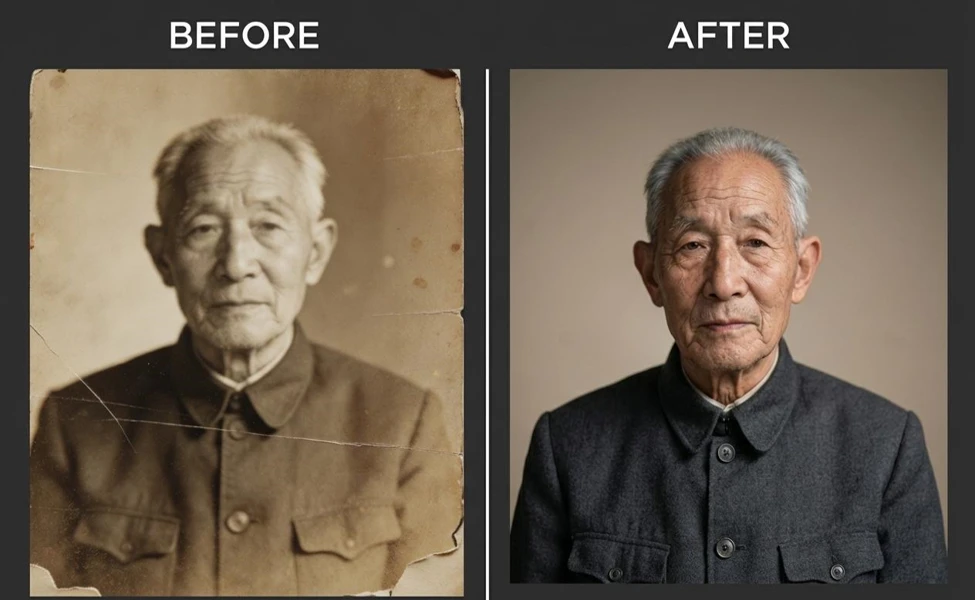
Generative AI has expanded the scope of image processing far beyond traditional boundaries. It is now possible to restore damaged images, enhance resolution, and even generate entirely new visuals for various use cases.
In healthcare, generative models assist in reconstructing incomplete medical images and improving diagnostic accuracy. In marketing and advertising, businesses can generate high-quality visuals without expensive photoshoots. In design and entertainment, creators can produce unique digital assets rapidly.
This transformation allows companies to reduce costs, accelerate production, and unlock new creative possibilities. Pishgaman Lotus plays a significant role in enabling such transformations by providing customized AI-driven image solutions.
The Role of Data in Model Performance
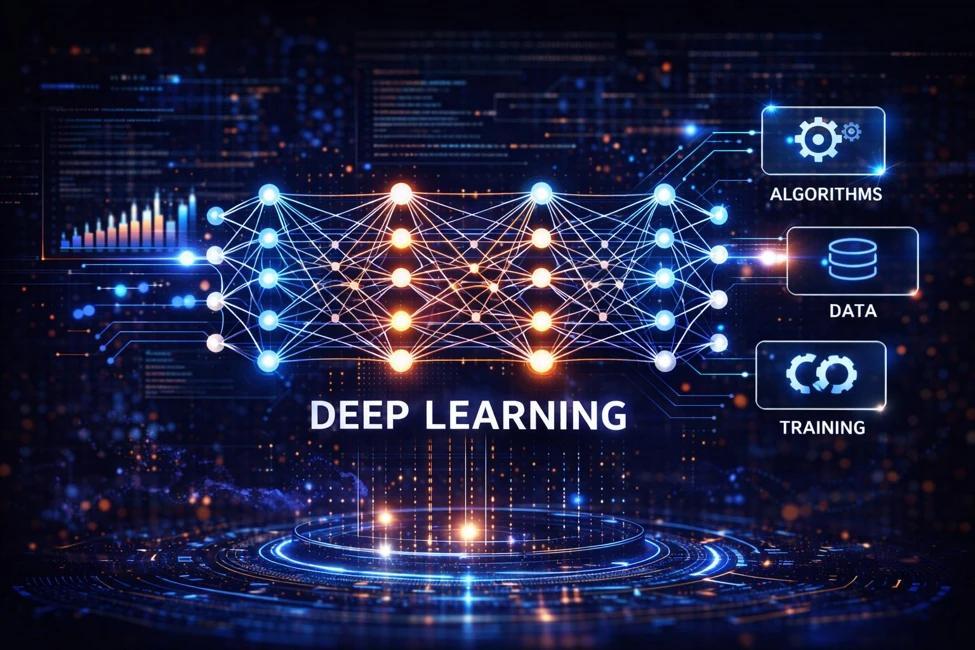
The effectiveness of generative AI models heavily depends on the quality and diversity of training data. High-quality datasets enable models to generate more realistic and reliable outputs.
However, acquiring and managing such data presents several challenges. These include data collection costs, annotation complexity, privacy concerns, and potential biases within datasets. Poor data quality can lead to inaccurate or biased outputs, which may impact decision-making processes.
To address these challenges, Pishgaman Lotus focuses on building robust data pipelines and optimizing training processes, ensuring that AI systems deliver high-performance and trustworthy results.
Ethical and Technical Challenges
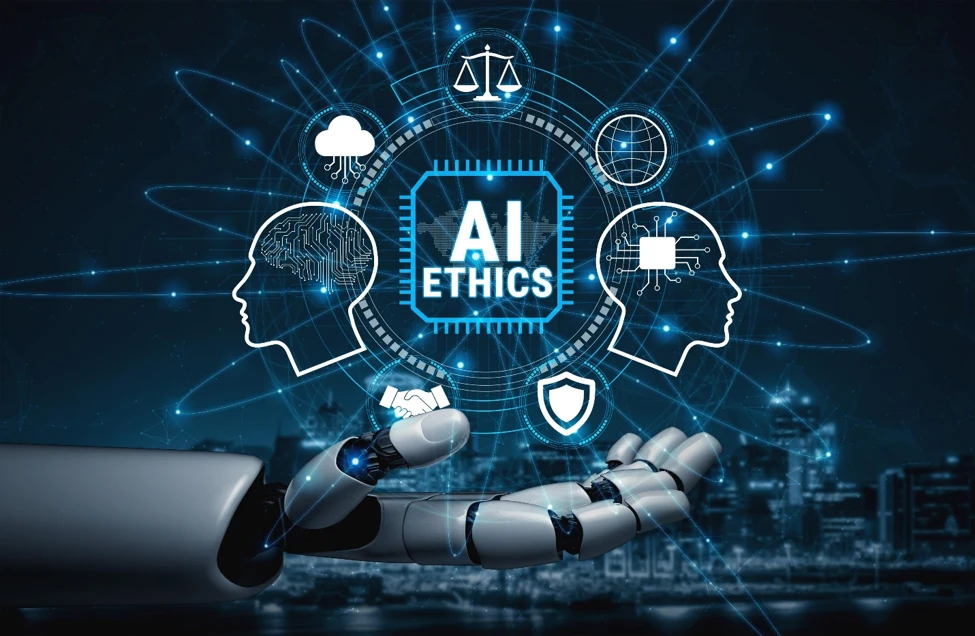
Despite its advantages, generative AI introduces serious ethical and technical concerns. One of the most prominent issues is the creation of deepfakes—highly realistic fake images that can be used for misinformation or fraud.
Additionally, questions around intellectual property, data ownership, and user privacy are becoming increasingly important. AI models may also inherit biases from their training data, leading to unfair or misleading outputs.
Addressing these challenges requires a combination of technological safeguards and ethical guidelines. Companies like Pishgaman Lotus are working toward responsible AI development by implementing standards that prioritize transparency, fairness, and security.
The Future of Generative AI in Visual Intelligence
The future of generative AI extends beyond static image creation. It is moving toward a deeper understanding of visual environments and more interactive experiences.
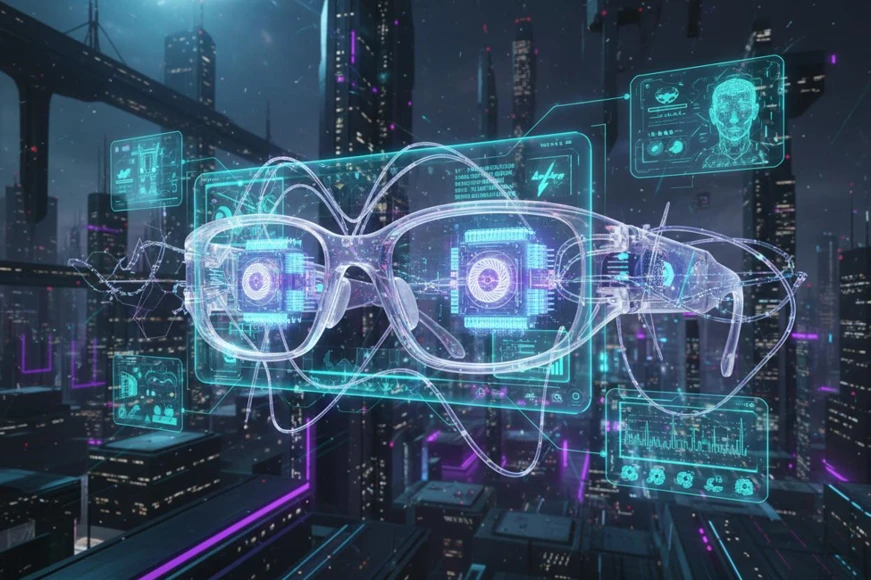
Emerging trends include integration with augmented reality (AR) and virtual reality (VR), real-time video generation, and fully immersive digital environments. These advancements will enable more natural human-machine interactions and redefine how we experience digital content.
As innovation continues, companies such as Pishgaman Lotus are expected to play a key role in shaping the next generation of intelligent visual systems.
Conclusion: A New Era of Machine Creativity
Generative AI is redefining the boundaries of image processing and creativity. Machines are no longer limited to analyzing visuals—they can now create them. This capability opens up unprecedented opportunities across industries.
While challenges remain, responsible development and strategic implementation can unlock the full potential of this technology. Generative AI represents not just a technological advancement, but a new era of machine-driven creativity.
Our articles:"From Imaging to Insight: Image Processing in Precision Medicine"
Similar Blogs
Text-to-Video: The AI Revolution in Video Creation

Industrial Machine Vision: The Quality Control Revolution
Facial Recognition & Deepfake: The New Biometric Security Challenge
Have special project to begin?
Contact us if you need a unique website for your special requirements, if you think having a mobile application help you reach your business’s goals or you still do not recognize which product can help you implement your ideas. Lotus Pioneers accompany you to develop your business through consulting and by designing special products.