From Imaging to Insight: Image Processing in Precision Medicine
Image Processing in Precision Medicine
Introduction: When Images Drive Treatment
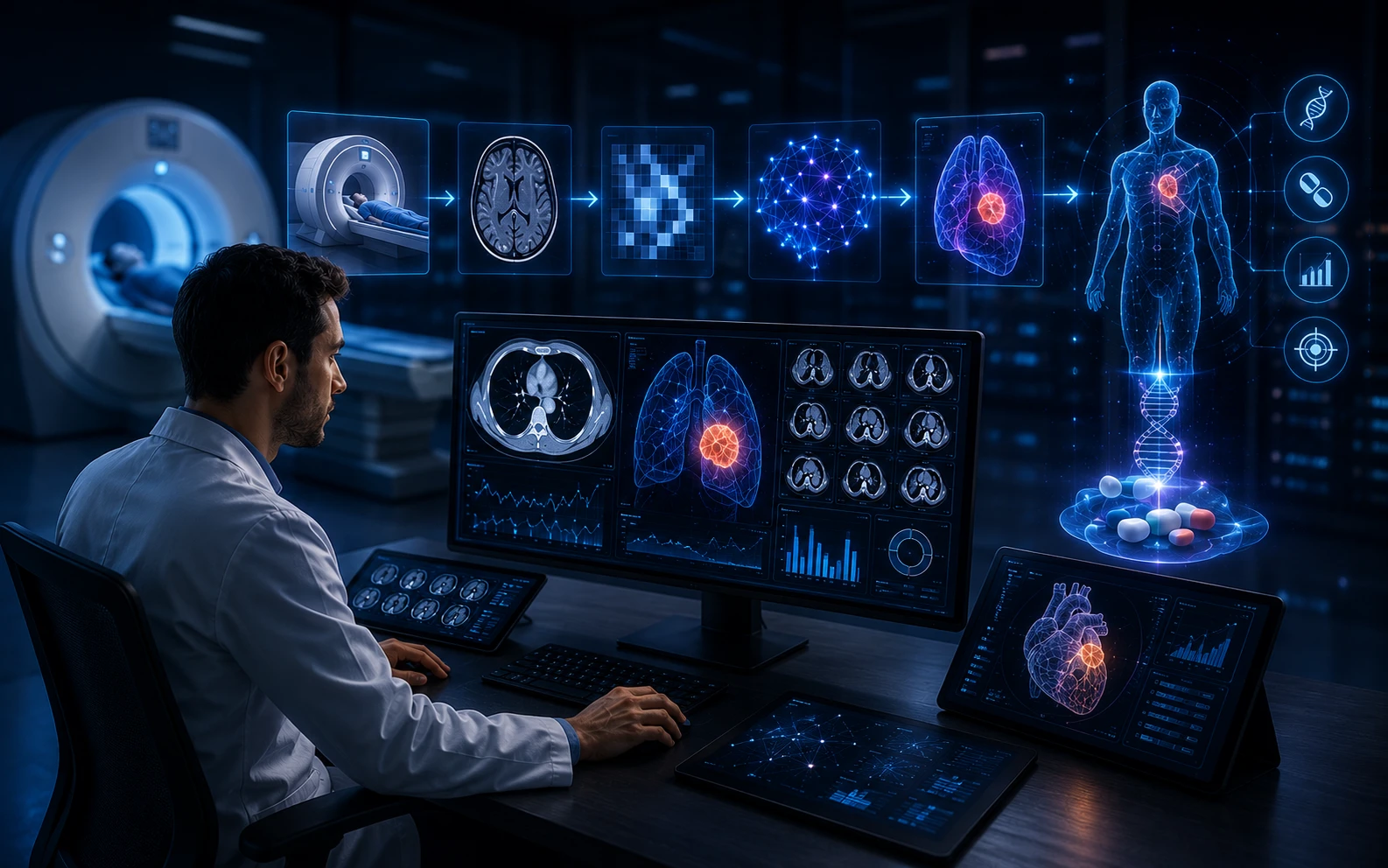
Modern healthcare is no longer driven solely by physician experience—data, algorithms, and imaging now play a central role. Precision Medicine aims to tailor treatments based on individual patient characteristics.
At the heart of this transformation lies medical image processing, enabling accurate analysis of MRI, CT scans, and pathology images.
Innovative companies like Pishgaman Lotus are contributing to this evolution by developing intelligent imaging solutions that enhance diagnosis and treatment quality.
What is Image Processing?
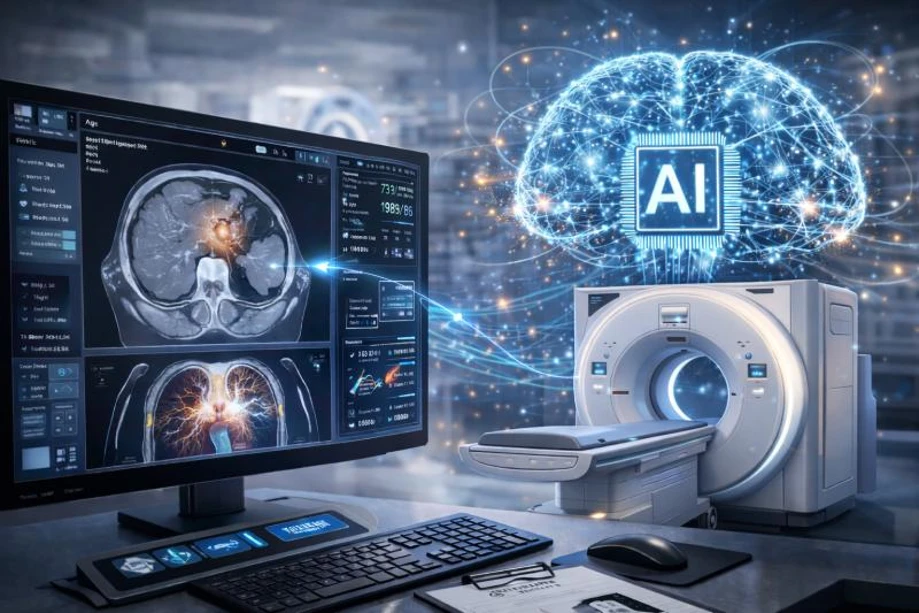
Image processing refers to a set of computational techniques used to enhance, analyze, and extract information from digital images.
In medical contexts, this includes:
- MRI (Magnetic Resonance Imaging)
- CT Scan (Computed Tomography)
- X-ray imaging
- Histopathology images
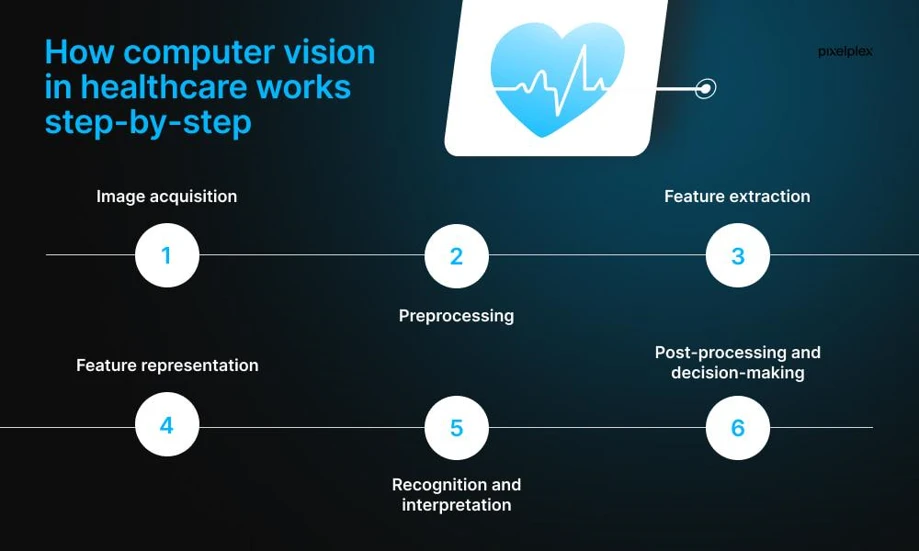
Core Steps:
- Image Acquisition
- Preprocessing (noise reduction, enhancement)
- Segmentation
- Feature Extraction
- Analysis & Decision-making
What is Precision Medicine and Why It Matters?
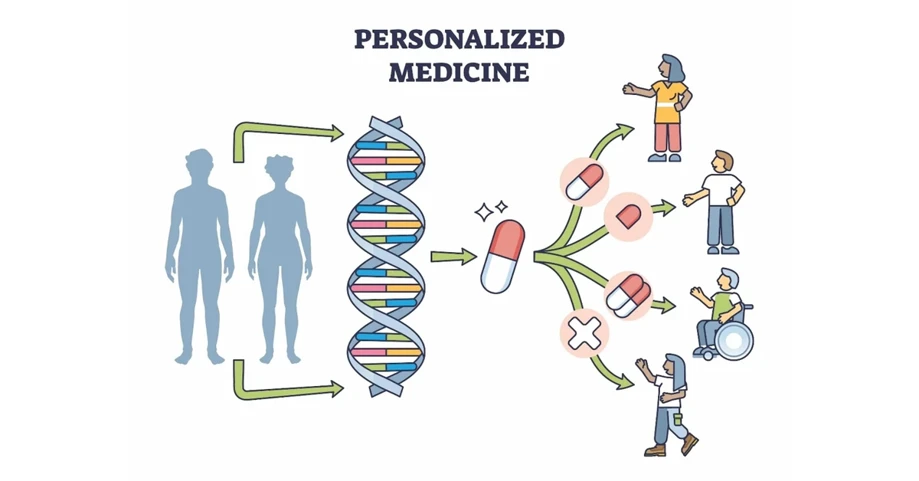
Precision Medicine is a medical approach that customizes treatment based on:
- Genetic profile
- Lifestyle
- Environmental factors
- Clinical data
Goal: Deliver the right treatment to the right patient at the right time
Image processing empowers this approach by:
- Detecting diseases earlier
- Monitoring disease progression
- Supporting optimal treatment decisions
Applications of Image Processing in Precision Medicine
Early Disease Detection
AI-driven systems can identify subtle abnormalities that may be invisible to the human eye.
Tumor Segmentation
Precise identification of tumor boundaries improves diagnosis and treatment planning.
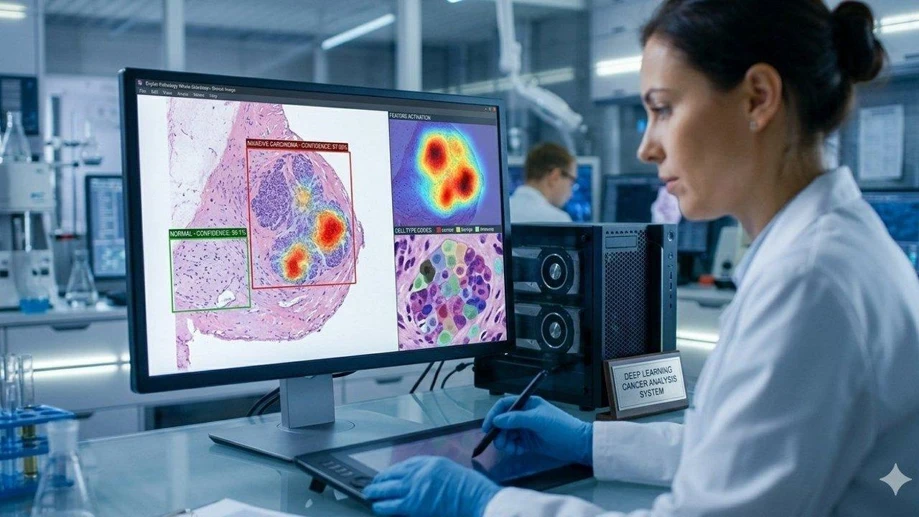
Pathology Image Analysis
Automated systems detect abnormal tissue patterns in microscopic images.
Treatment Monitoring
Comparing images over time helps evaluate treatment effectiveness.
Image-Guided Surgery
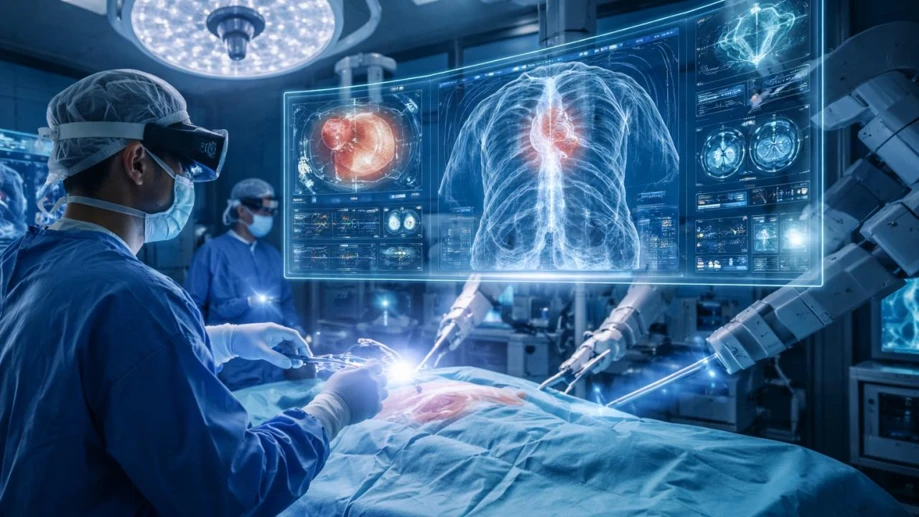
Real-time processed images assist surgeons during procedures.
The Role of Artificial Intelligence
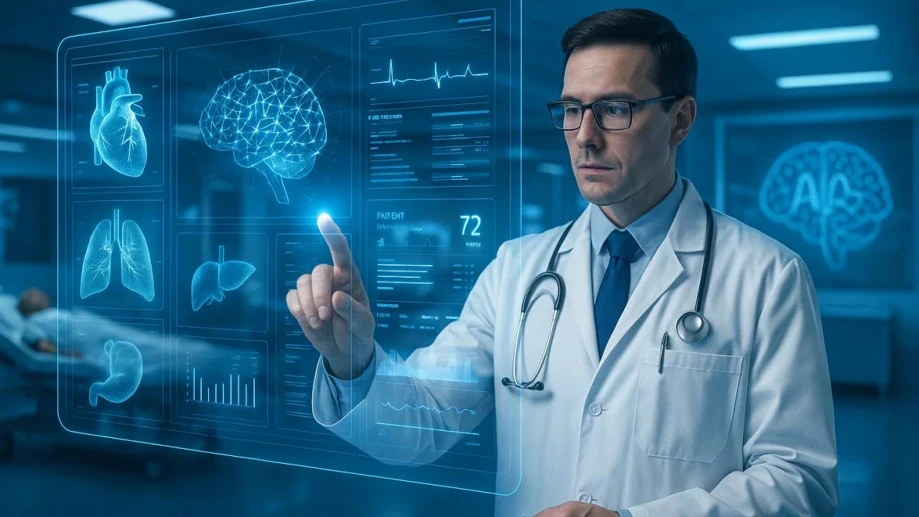
Artificial Intelligence (AI), especially Deep Learning, has revolutionized medical imaging.
Key Benefits:
- Higher diagnostic accuracy
- Reduced human error
- Faster data analysis
- Continuous learning from large datasets
For example, Convolutional Neural Networks (CNNs) can detect complex patterns in medical images with remarkable precision.
Organizations like Pishgaman Lotus are actively developing AI-powered imaging systems to push healthcare forward.
Challenges and Limitations
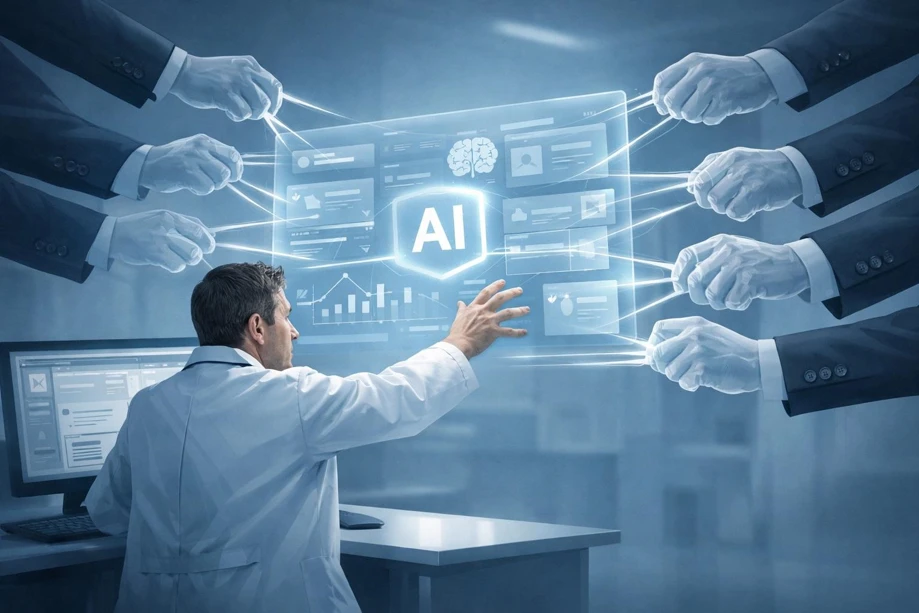
Despite its potential, several challenges remain:
- Data privacy and security
- Low-quality or noisy images
- Algorithmic bias
- Integration with clinical workflows
The Future Ahead
In the near future, the role of image processing will become even more significant. Intelligent systems will be capable of:
- Predicting diseases before symptoms even appear
- Recommending optimal treatment strategies proactively
- Monitoring patient responses to treatments in real time
This marks a shift from reactive medicine to predictive and preventive healthcare.
Industry Impact and Innovation
Technology-driven organizations like Pishgaman Lotus play a vital role in this transformation. By developing advanced algorithms, intelligent imaging systems, and AI-powered healthcare solutions, such companies help to:
- Make complex medical data more interpretable .
- Equip healthcare professionals with smart diagnostic tools .
- Elevate the quality of healthcare services on both national and global levels .
A Paradigm Shift in Healthcare
What we are witnessing is not merely technological progress—it is a fundamental paradigm shift in the healthcare ecosystem. With the integration of image processing into precision medicine, the approach to treatment is evolving from generalized care to targeted, evidence-based, and personalized therapies.
Final Thoughts
Image processing is the beating heart of precision medicine—a technology that is redefining both diagnosis and treatment. As advancements continue and investments grow—particularly through forward-thinking organizations like Pishgaman Lotus—we can expect:
- More accurate and effective treatments for patients .
- More powerful decision-support tools for clinicians .
- And ultimately, a significant improvement in global quality of life .
This future is no longer a distant vision—it is already taking shape today.
Our articles:"Image Processing on Edge Devices: When AI Fits in Your Pocket!"
Similar Blogs
Text-to-Video: The AI Revolution in Video Creation

Industrial Machine Vision: The Quality Control Revolution
Facial Recognition & Deepfake: The New Biometric Security Challenge
Have special project to begin?
Contact us if you need a unique website for your special requirements, if you think having a mobile application help you reach your business’s goals or you still do not recognize which product can help you implement your ideas. Lotus Pioneers accompany you to develop your business through consulting and by designing special products.