Apple and Google Privacy Revolution: Rewriting the Rules of App Development
Rewriting the Rules of App Development

Introduction: Where Everything Changed
Until a few years ago, mobile app development largely revolved around data collection, user behavior analysis, and experience optimization. However, with the introduction of new policies by Apple and Google, this path has completely changed.
Developers can no longer access user data without transparency and explicit consent. This shift is not merely a limitation; it marks the beginning of a new generation of responsible, user-centric application design.
In this evolving landscape, companies like Pishgaman Lotus are rapidly adapting, delivering solutions that comply with new regulations while maintaining a high-quality user experience.

Apple’s Approach: Privacy as a Fundamental Principle
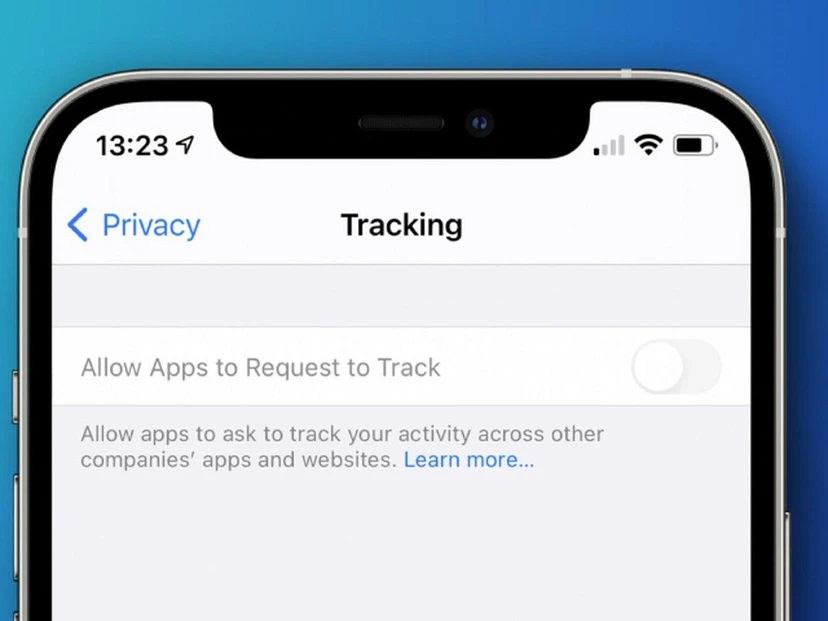
With the introduction of App Tracking Transparency, Apple effectively established a clear boundary for user tracking. In this model, every application must explicitly request permission from users before any tracking occurs. This change has transformed “user consent” from a simple option into a critical requirement in product design.
Alongside this, Apple introduced privacy labels in the App Store, making users more aware of what types of data each app collects. This transparency shifted competition among apps—from being feature-focused to becoming trust-driven.
For developers, this meant a complete reconsideration of application structures. Traditional methods like targeted advertising and behavioral tracking are no longer reliable. Instead, developers must adopt modern approaches such as anonymized analytics and direct user engagement.
In Pishgaman Lotus projects, these changes are practically implemented through carefully designed consent flows and privacy-focused data architectures, ensuring compliance with Apple standards without sacrificing performance.
Google’s Approach: Moving Toward a Tracking-Free Ecosystem
Google has followed a similar direction, but with a different philosophy. Instead of completely removing advertising capabilities, it aims to balance privacy with business needs.
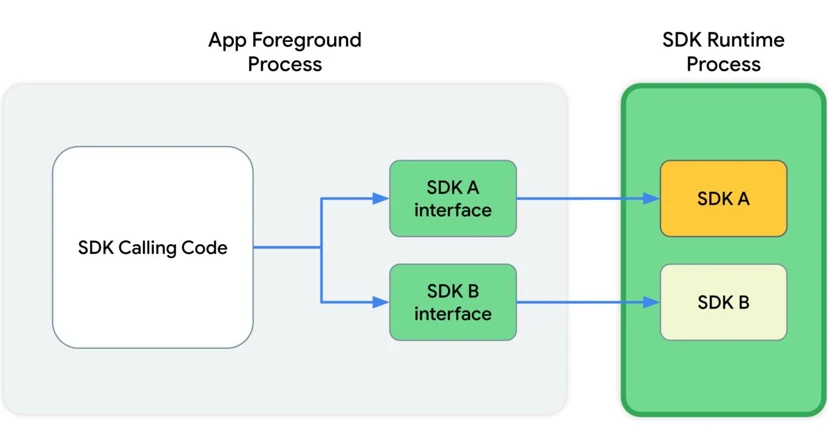
Through the Privacy Sandbox initiative, Google provides data in aggregated and anonymized formats rather than exposing raw user information. This allows developers to analyze general user behavior without accessing personally identifiable data.
This shift has significantly impacted advertising models, analytics systems, and even product feature design. Developers must now learn how to deliver personalized experiences without relying on individual-level tracking.
In response, technical teams at Pishgaman Lotus utilize modern architectures and new APIs to maintain analytical accuracy while fully complying with Google’s privacy standards.
Direct Impact on the App Development Process
These changes are not limited to a single part of an application—they affect the entire development lifecycle. From initial design to implementation and even marketing, everything must now follow a **Privacy-First** approach.
During the design phase, product teams must clearly define which data is truly necessary. Collecting excessive data is no longer acceptable and can lead to user distrust.
In the development phase, data security, encryption, and strict access control have become more critical than ever. Additionally, implementing user consent management systems is now a core requirement rather than an optional feature.
Even at the publishing stage, clearly communicating how user data is handled has become a key factor in attracting users.
Pishgaman Lotus applies this approach end-to-end, ensuring that everything—from UX design to backend infrastructure—is built on a strong privacy foundation.
Impact on Monetization and Marketing Models
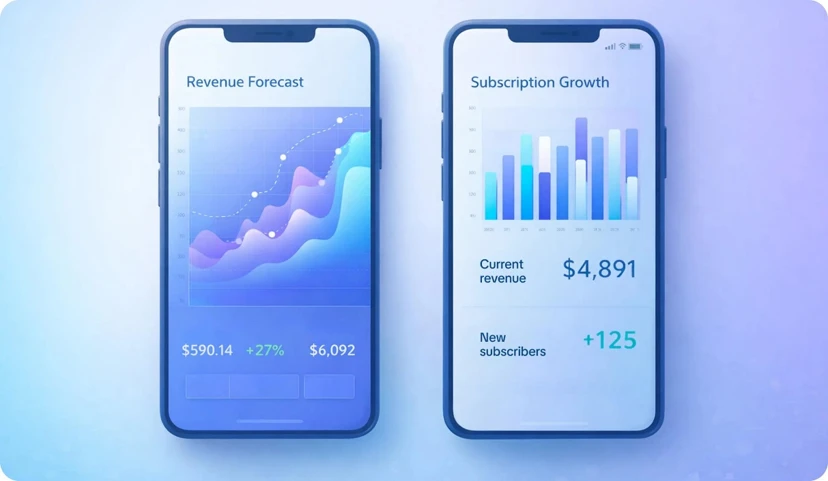
One of the most significant changes has occurred in app monetization models. With limited access to user data, targeted advertising has lost much of its previous effectiveness, leading to revenue declines for many applications.
As a result, businesses are shifting toward new strategies. First-party data—information collected directly from users with their consent—has become increasingly valuable. Subscription models, in-app purchases, and contextual advertising are replacing traditional tracking-based advertising methods.
At the same time, analyzing user behavior through direct interaction, surveys, and intelligent UX design has become far more important.
Marketing teams at Pishgaman Lotus are leveraging these approaches to design strategies that maintain high conversion rates without violating user privacy.
The Future of App Development in the Privacy Era
The future of app development is moving toward technologies that deliver personalized experiences without transferring sensitive data. Technologies such as federated learning and on-device processing will play a major role in this transformation.
In these models, user data never leaves the device. Processing happens locally, and only aggregated results are sent to servers. This ensures both strong privacy protection and high service quality.
Companies that adapt quickly to these changes will lead the future market. Pishgaman Lotus, by focusing on modern technologies and privacy-first design, is building infrastructures ready to meet future demands.
Conclusion: A Shift That Cannot Be Ignored
The transformation in privacy policies is not just a challenge for developers—it is an opportunity to build better, safer, and more trustworthy applications.
Apple and Google have established new standards where the user is at the center of every decision.
In this evolving landscape, companies like Pishgaman Lotus can play a crucial role by combining technical expertise, design excellence, and deep market understanding to help businesses succeed.
In short:
The future belongs to applications that are not only intelligent—but also respectful of user privacy.
Our articles: "Using Artificial Intelligence in Mobile Apps (From Chatbots to Image Recognition)"
Similar Blogs

Financial & Cryptocurrency App Security: Building a Hack-Resistant Mobile App


The Future of Cross-Platform Development: Flutter, React Native & AI

Smartwatch App Development
Have special project to begin?
Contact us if you need a unique website for your special requirements, if you think having a mobile application help you reach your business’s goals or you still do not recognize which product can help you implement your ideas. Lotus Pioneers accompany you to develop your business through consulting and by designing special products.