When Thoughts Become Code: The Future of BCI and AI
The Future of BCI and AI
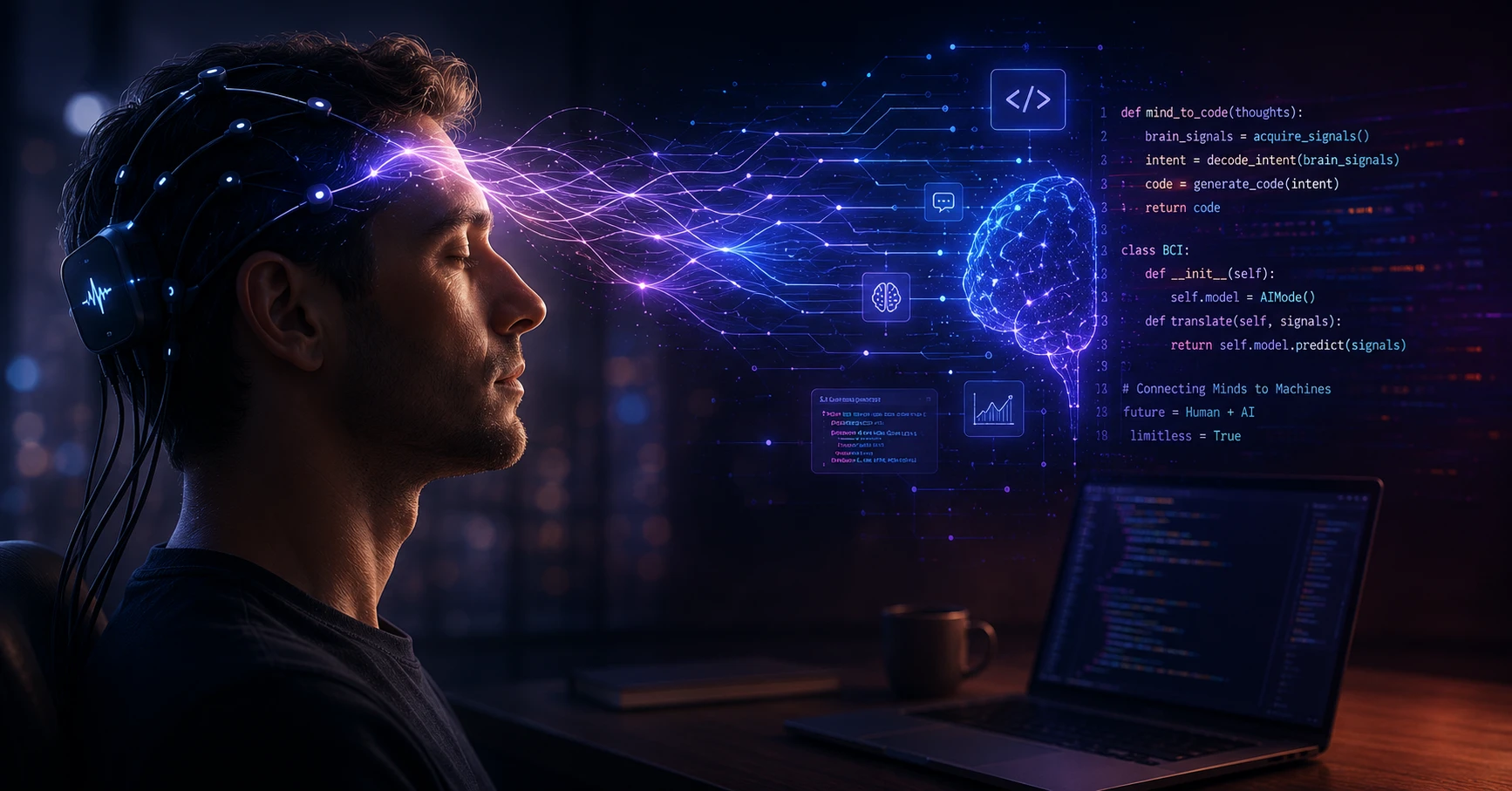
Introduction: The Beginning of a New Era
Brain-Computer Interface, is an advanced system designed to create a direct connection between the human brain and digital devices. In this technology, electrical signals generated by neural activity are captured and processed into commands that computers can understand. This process allows individuals to interact with devices using only their thoughts—without the need for physical movement or speech. Such a capability is especially valuable for people with motor or speech impairments, as it can significantly improve their quality of life.
Companies like Pishgaman Lotus are also exploring this field as one of the key future technology trends, with a strong focus on its practical applications.
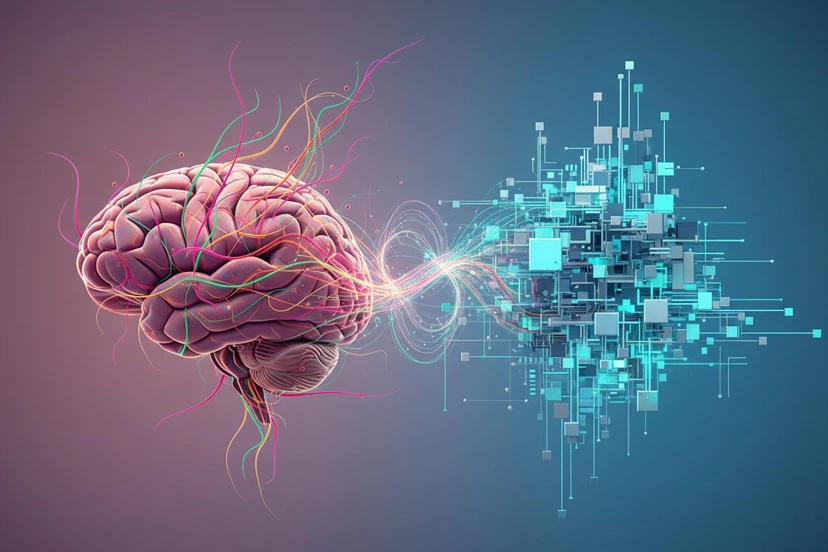
What is BCI and How Does It Work?
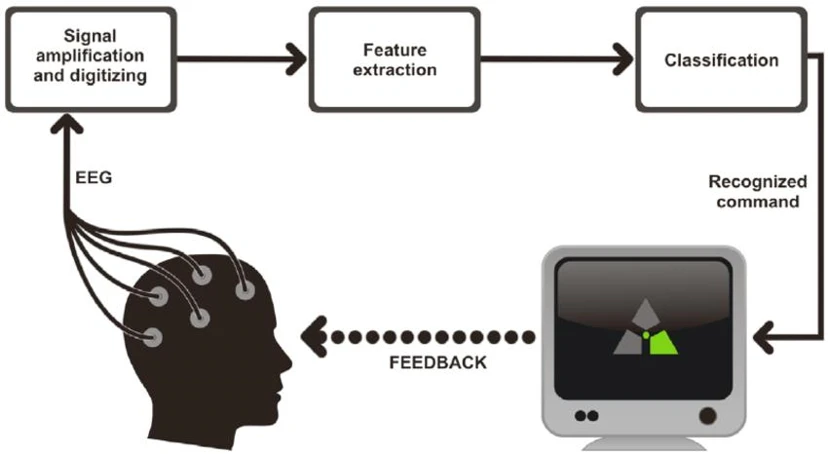
A BCI system generally consists of several fundamental stages. Initially, brain signals are captured using technologies such as EEG or other neural sensors. These signals are typically weak and susceptible to noise, making processing a crucial next step. During this stage, signals are filtered, noise is removed, and key features are extracted to prepare the data for analysis.
Next comes the interpretation phase, where advanced algorithms—particularly in machine learning and artificial intelligence—are used to detect patterns within the brain signals. These algorithms aim to identify the user’s intention based on neural activity; for example, determining whether a person wants to type a specific letter or perform a particular action. Finally, the interpreted signals are translated into executable commands and sent to the target device, which may be a computer, robotic arm, smart wheelchair, or another control system.
In summary, BCI technology enables a direct and innovative communication pathway between the mind and machines, potentially transforming how humans interact with technology—allowing many tasks to be performed purely through thought, without physical intermediaries.
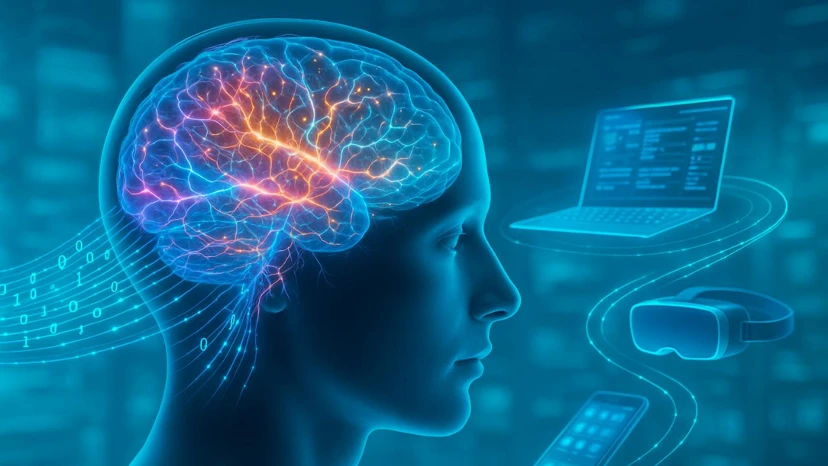
The Role of Artificial Intelligence in Enhancing BCI
In the past, interpreting brain signals was limited and prone to errors. Today, artificial intelligence has significantly improved this process:
- Machine learning algorithms can identify complex neural patterns
- The accuracy of detecting human intent has increased dramatically
- Systems become more personalized over time
Organizations like Pishgaman Lotus are actively working on leveraging AI to enhance the accuracy and efficiency of BCI systems.
Remarkable Applications of BCI + AI
The integration of BCI and AI has a wide range of applications:
Healthcare
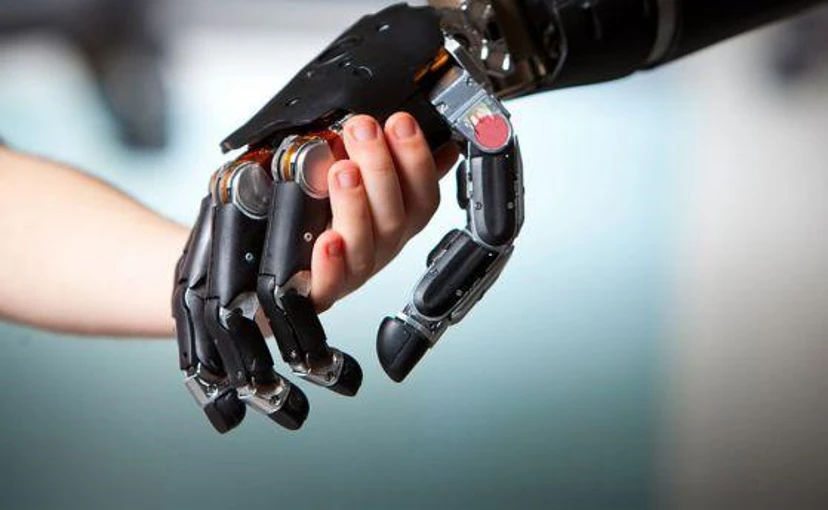
- Assisting paralyzed patients in controlling prosthetic limbs
- Restoring the ability to speak or write
Entertainment and Gaming
- Controlling games using the mind
- Enabling deeper virtual reality experiences
Productivity and Work
- Hands-free typing
- Controlling systems purely through thought
Education and Personal Development
- Improving focus
- Accelerating learning
Challenges and Concerns
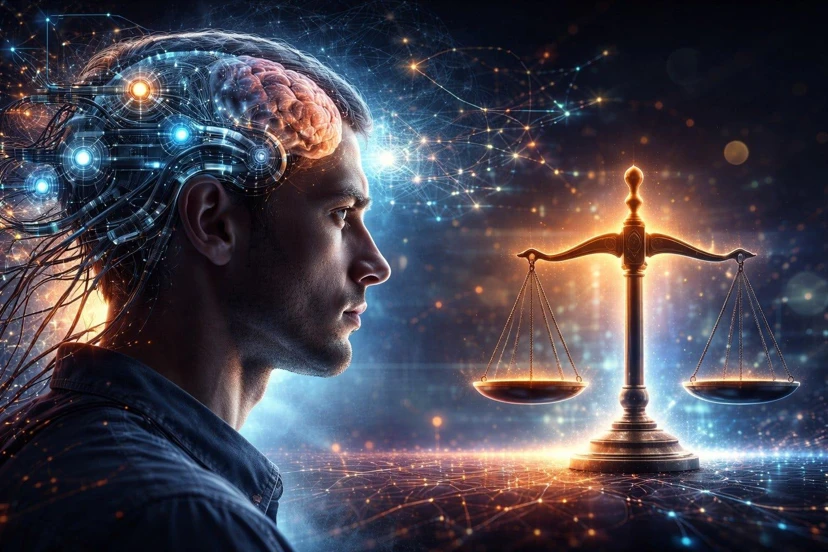
Despite its transformative potential, BCI technology comes with significant challenges that must be addressed responsibly. One of the most critical concerns is mental privacy. Since this technology involves extracting data directly from brain activity, it raises fundamental questions about whether unauthorized access to thoughts or emotions could become possible, and how such risks can be prevented. Protecting this type of data requires far more advanced security frameworks than those currently in place.
Ethical issues also play a major role. As BCI advances, the boundary between humans and machines becomes increasingly blurred. Questions arise about how much intervention in brain function is acceptable, whether cognitive enhancement is fair, and what regulations are needed to prevent misuse or unequal access.
High costs are another major barrier. Developing, maintaining, and deploying BCI systems—especially advanced invasive ones—requires complex equipment and specialized expertise. As a result, these technologies are currently limited mostly to research and medical environments rather than widespread public use.
Additionally, security risks are a serious concern. Brain data can contain highly sensitive personal information, and without robust infrastructure, there is a risk of misuse, manipulation, or even unauthorized control of connected devices. This highlights the need for strict security standards and continuous oversight.
For these reasons, addressing these challenges has become a central focus in research and development. Many companies and research institutions such as Pishgaman Lotus, are working not only to advance the technology but also to establish safe, ethical, and trustworthy frameworks for its use.
The Future Ahead
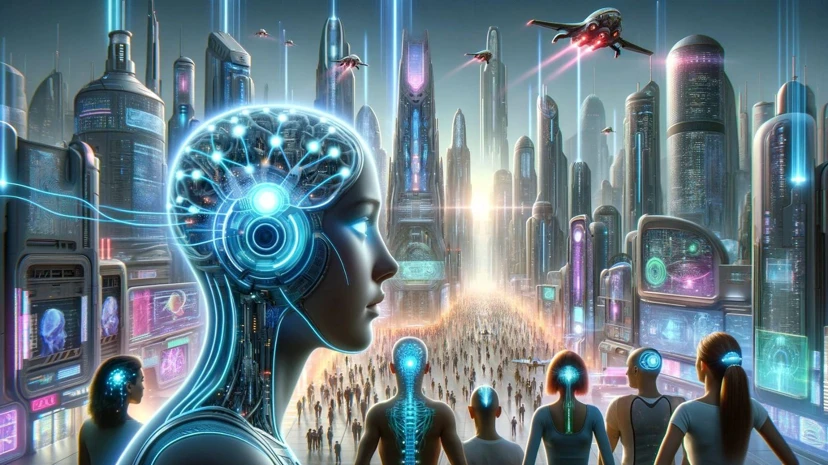
In the not-so-distant future, we may witness developments such as:
- Direct brain-to-internet connections
- Transmission of thoughts between humans
- Enhancement of memory and intelligence
- Even the possibility of uploading the human mind
While these ideas may seem like science fiction today, the rapid pace of technological progress suggests that this future may not be as far away as it seems.
Conclusion: A Future Beyond Boundaries – The Convergence of the Human Mind and Artificial Intelligence
In conclusion, the integration of brain-computer interface technology with artificial intelligence represents one of the most revolutionary advancements of the 21st century. It not only transforms how humans interact with machines but also has the potential to redefine human capabilities. This convergence creates an environment where the human mind can directly communicate with intelligent systems, removing many traditional physical limitations.
In such a future, individuals will be able to interact with advanced technologies using only their thoughts—from controlling devices and enabling faster communication to enhancing cognitive abilities, accelerating learning, and experiencing entirely new forms of reality. This technology may gradually blur the line between humans and machines, leading to a form of intelligent coexistence where machines become extensions of the human mind.
However, achieving this vision requires a careful, responsible, and forward-thinking approach. Organizations specializing in emerging technologies play a crucial role in analyzing, developing, and guiding these advancements. Companies like Pishgaman Lotus, with a focus on innovation and research, can help shape a safer, smarter, and more human-centered future.
Ultimately, BCI and artificial intelligence are not merely technological tools—they are becoming part of the evolutionary path of humanity. If guided properly, this path can unlock unprecedented opportunities for progress, well-being, and a deeper understanding of the human mind.
Our articles:"Brain Typing: A Complete Guide to Mind-Based Typing Technology, Applications, and Future"
Similar Blogs
Passive BCI: Interactive Monitoring with Brain-Computer Interfaces

Brain Hacking: Real Threat or Sci-Fi Fear? Exploring Security in BCI
Brain Typing: A Complete Guide to Mind-Based Typing Technology, Applications, and Future
Have special project to begin?
Contact us if you need a unique website for your special requirements, if you think having a mobile application help you reach your business’s goals or you still do not recognize which product can help you implement your ideas. Lotus Pioneers accompany you to develop your business through consulting and by designing special products.