Brain-to-Brain Communication; The Future of Human Communication
The Future of Human Communication
Introduction
Throughout history, humans have continuously searched for faster, more accurate, and more efficient ways to communicate. From language and writing to telephones, the Internet, and social networks, each generation of technology has reduced some of the limitations of human communication. But what if, in the future, we no longer needed words, sounds, or images to transmit certain types of information?
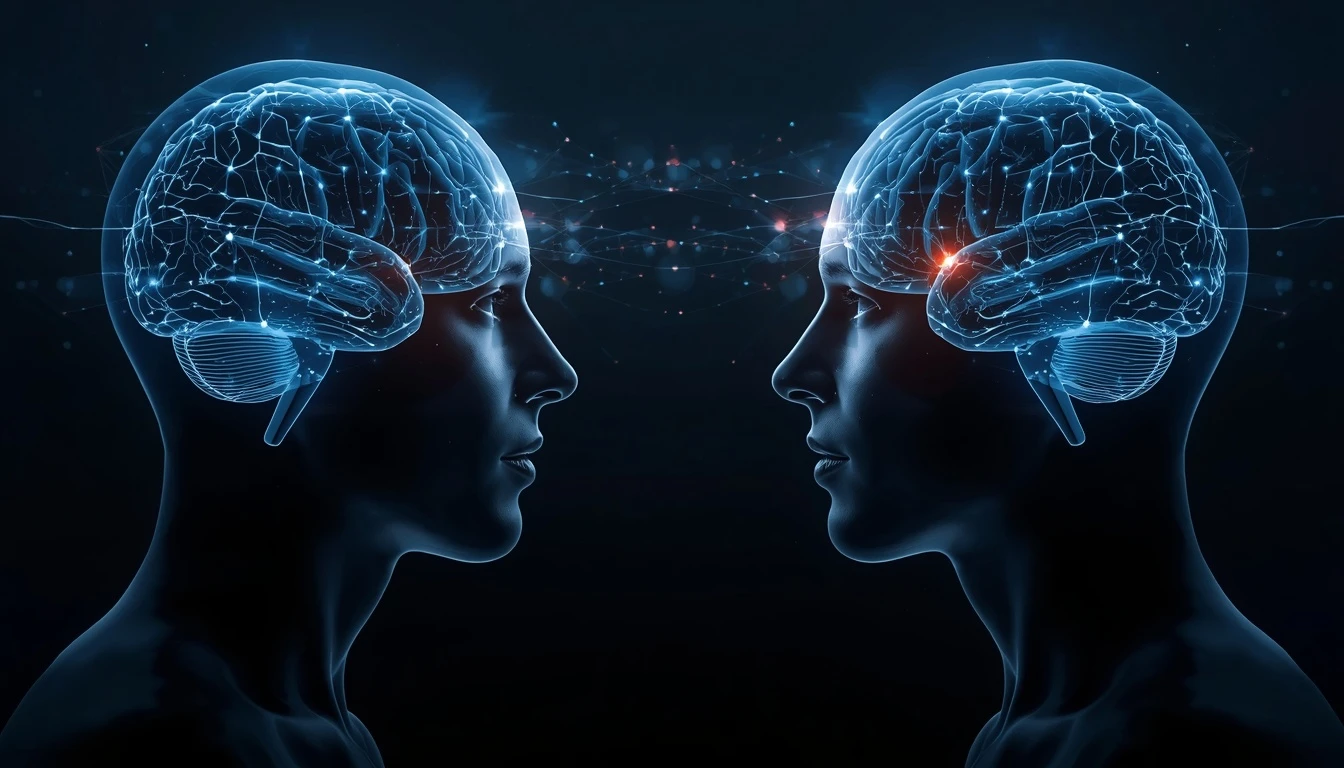
Brain-to-Brain Communication is an emerging field at the intersection of neuroscience, artificial intelligence, and computer engineering that explores more direct forms of communication between human brains. The basic idea is to capture and interpret neural activity from one person and then transmit the extracted information through a computer-mediated system to another person's brain.
However, this technology is still far from the science-fiction concept of literally “reading minds.” Current research mainly focuses on transmitting simple information, limited commands, or specific neural patterns. Even so, these early experiments could open a new path for the future of human communication and interaction with technology.
What Exactly Is Brain-to-Brain Communication?
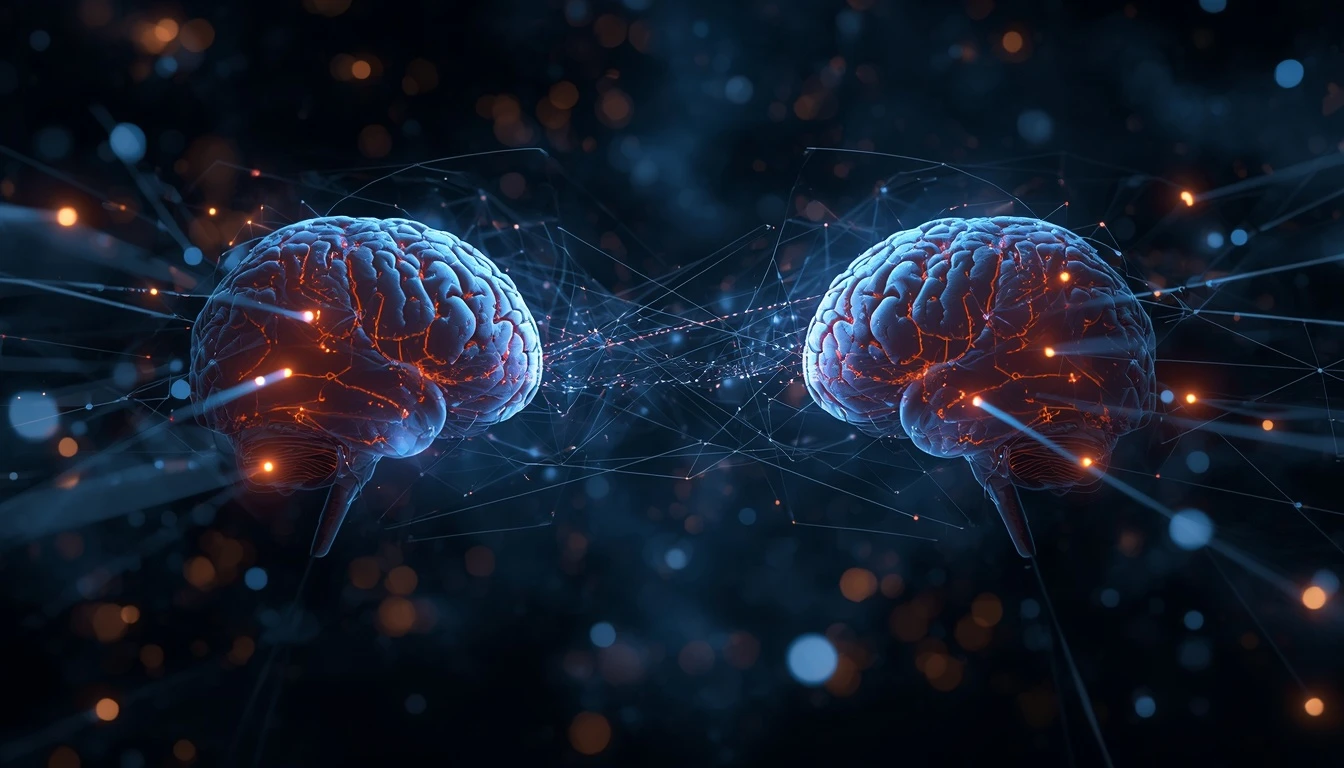
Brain-to-brain communication refers to technologies designed to extract information from one person's neural activity and deliver it to another person's brain. A Brain-Computer Interface (BCI) often acts as the technological bridge between the two individuals.
In a basic model, the first person's brain acts as the “sender.” Neural activity is recorded using technologies such as EEG, while signal-processing algorithms identify specific patterns within the data. A computer system then translates the extracted information into a signal or stimulation that can be delivered to the second person.
Therefore, brain-to-brain communication does not currently mean transferring complex thoughts directly from one mind to another. Instead, it can be understood as a technological chain:
Brain → Neural Interface → Computer → Neural Interface → Brain
Experimental research has demonstrated limited forms of this concept between humans, but the amount and complexity of information that can currently be transmitted remain highly restricted.
BCI and the Role of Artificial Intelligence
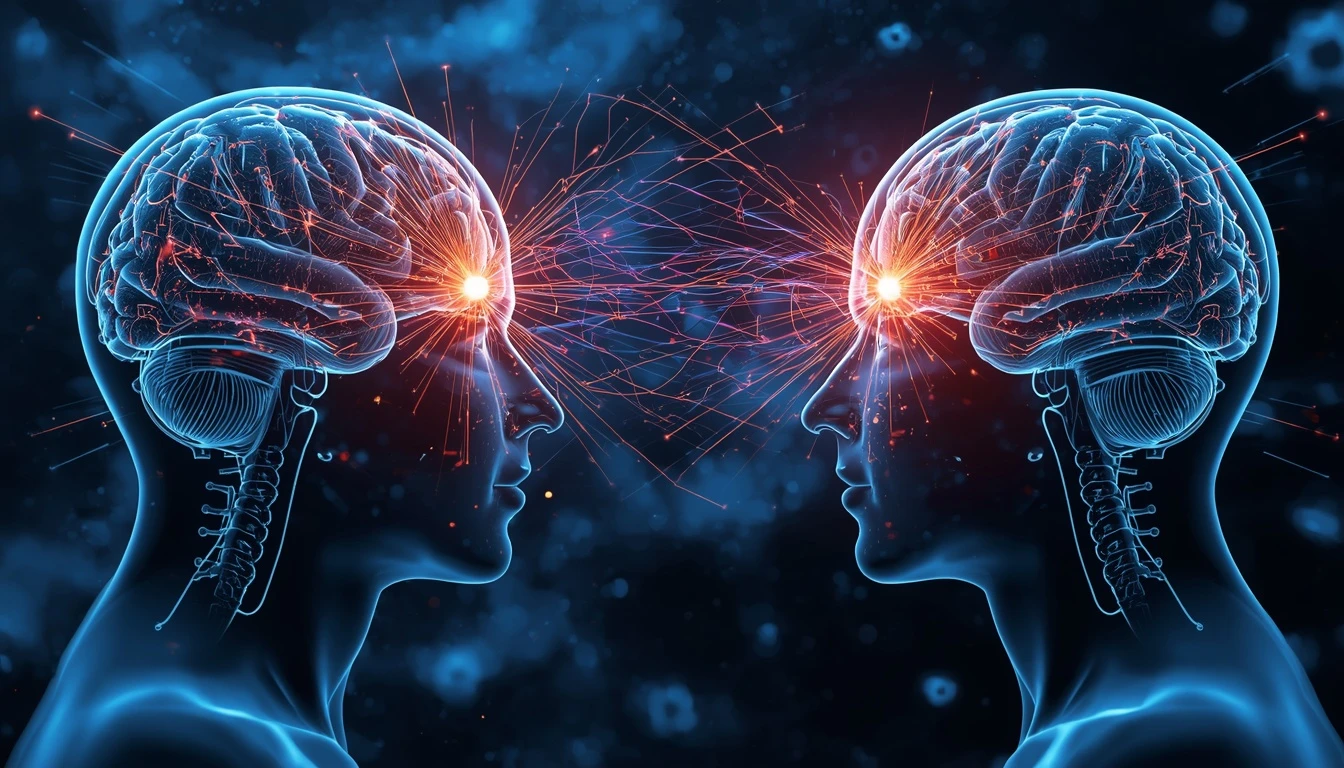
One of the most important components of this technology is the Brain-Computer Interface (BCI). A BCI allows certain forms of brain activity to be captured and interpreted. For example, EEG can record electrical brain activity using sensors placed on the scalp.
However, recording neural signals is only the beginning. Brain activity is extremely complex, and neural data can contain noise and many overlapping patterns. Signal processing, machine learning, and artificial intelligence can therefore play an important role in identifying meaningful patterns.
For example, an AI system could be trained to distinguish between neural patterns associated with “Choice A” and “Choice B.” These patterns could then be translated into digital commands.
In this context, artificial intelligence can act as a translator between complex neural signals and machine-readable information. Advances in signal processing and non-invasive BCI technologies are important parts of the continuing development of this field.
Can a Message Really Be Sent from One Brain to Another?
The short answer is: in limited experimental settings, yes—but not in the way science fiction usually portrays it.
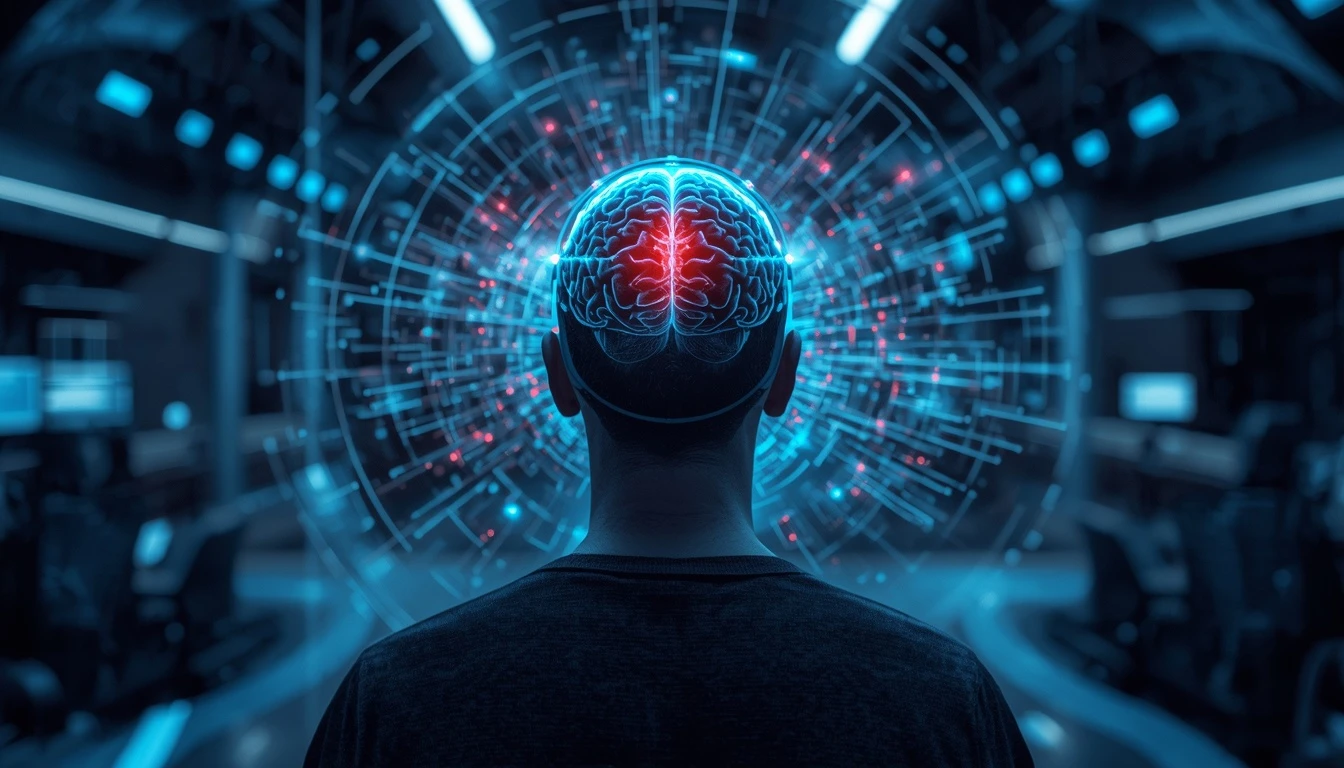
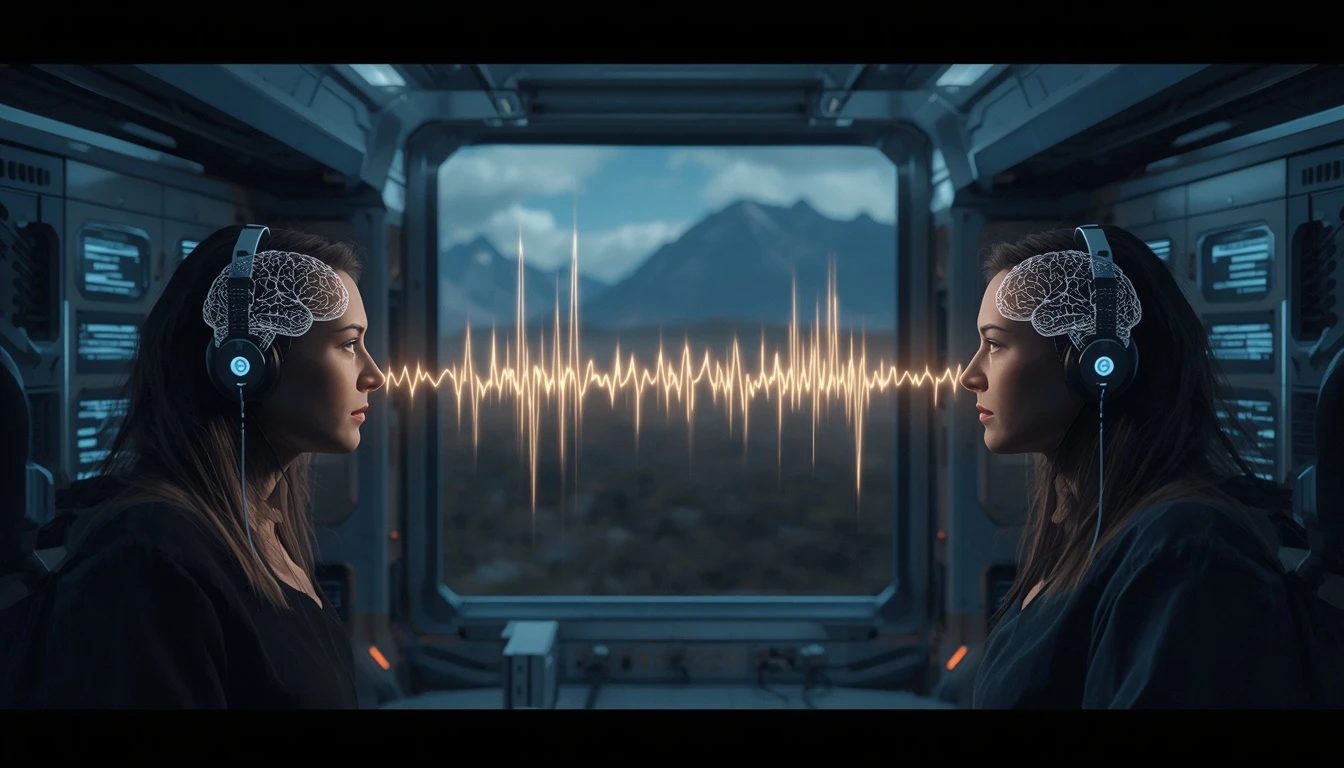
In one well-known experiment, researchers used EEG to record neural activity from a sender and transcranial magnetic stimulation, or TMS, to generate a specific response in the receiver's brain. The information transmitted was highly limited and structured.
Another research project, known as BrainNet, explored a non-invasive multi-person brain-to-brain interface in which several participants collaborated on a task using neural signals. These experiments demonstrate that limited forms of neural information transfer are possible, but there is still a substantial gap between these systems and natural, unrestricted communication between two minds.
In simple terms, today's technology is closer to transmitting a limited signal or command than transmitting a complete thought.
Potential Applications of Brain-to-Brain Communication
If brain-to-brain communication becomes more accurate, safe, and reliable, its potential applications could become extensive.
One important area is medicine and rehabilitation. Researchers are investigating BCI technologies as possible communication tools for people who have lost conventional communication abilities because of neurological injuries or other conditions. Neural interfaces may provide alternative pathways for communication.
Another potential area is human collaboration. In the future, two specialists might be able to exchange certain simple forms of information or commands through neural interfaces rather than relying entirely on conventional communication methods.
Other potential applications include education, virtual reality, interactive gaming, equipment control, and human-machine collaboration. However, many of these applications remain experimental or conceptual and should not be confused with mature, commercially available technologies.
Major Challenges: From Privacy to Mental Security
As technology moves closer to human neural activity, ethical and security questions become increasingly important.
One of the most significant issues is neural data privacy. Brain data may provide information about a person's neural responses or activity, making the collection, storage, and use of such data highly sensitive.
Another major concern is cybersecurity. If a system can acquire and process neural data, it must be protected against unauthorized access, manipulation, and cyberattacks.
User consent is equally important. Neural communication systems should be based on informed consent, with clear boundaries regarding what data is collected, how it is processed, and who can access it.
Therefore, the future of this technology will depend not only on better hardware and AI algorithms, but also on appropriate ethical, legal, and security frameworks.
The Future of Brain-to-Brain Communication
The path from early experiments to everyday technology is likely to be long. Current research demonstrates that certain forms of information transfer between brains are possible, but significant technical limitations remain.
One major challenge is improving the accuracy of neural signal decoding. Another is developing reliable and safe methods for delivering information to a receiver's brain. Practical systems would also need to transmit more information at higher speeds and with significantly lower error rates.
In the future, the combination of artificial intelligence, BCI, signal processing, neuroscience, and wearable interfaces could reshape the development of this technology. Human interaction with technology may eventually extend beyond language, screens, and physical controllers toward interfaces that can interpret certain forms of neural activity.
For technology companies such as Pishgaman Lotus, exploring these emerging fields is valuable because the future of technology is not limited to today's software. Understanding emerging technologies can help shape the digital products and experiences of tomorrow.
Conclusion
Brain-to-brain communication is one of the most fascinating emerging fields at the intersection of neuroscience, artificial intelligence, and information technology. Research has demonstrated that, under controlled conditions, limited information can be extracted from one person's brain activity and delivered to another person's brain. However, this remains far from unrestricted communication between human minds.
The future of this field will depend on advances in neural signal processing, artificial intelligence, brain-computer interfaces, brain stimulation techniques, as well as regulations concerning neural data privacy and security.
Perhaps one day, just as the Internet transformed human communication, neural interfaces may introduce a new definition of communication between humans and between humans and machines. Reaching that future, however, will require years of research, experimentation, and responsible technological development.
Our articles:"Passive BCI: Interactive Monitoring with Brain-Computer Interfaces"
Blog Tags
Similar Blogs
Artificial Synapses and Neuromorphic Computing: The Future of Intelligent Computing

Passive BCI: Interactive Monitoring with Brain-Computer Interfaces
Brain Hacking: Real Threat or Sci-Fi Fear? Exploring Security in BCI
Have special project to begin?
Contact us if you need a unique website for your special requirements, if you think having a mobile application help you reach your business’s goals or you still do not recognize which product can help you implement your ideas. Lotus Pioneers accompany you to develop your business through consulting and by designing special products.