Artificial Synapses and Neuromorphic Computing: The Future of Intelligent Computing
The Future of Intelligent Computing
Introduction
When Computers Learn from the Human Brain
As data volumes grow and artificial intelligence models become increasingly complex, the demand for processors that can handle information faster and more efficiently continues to increase. Conventional computing systems offer substantial processing power, but many AI workloads require significant hardware resources and energy. This has encouraged researchers to explore computing architectures inspired by the human brain.
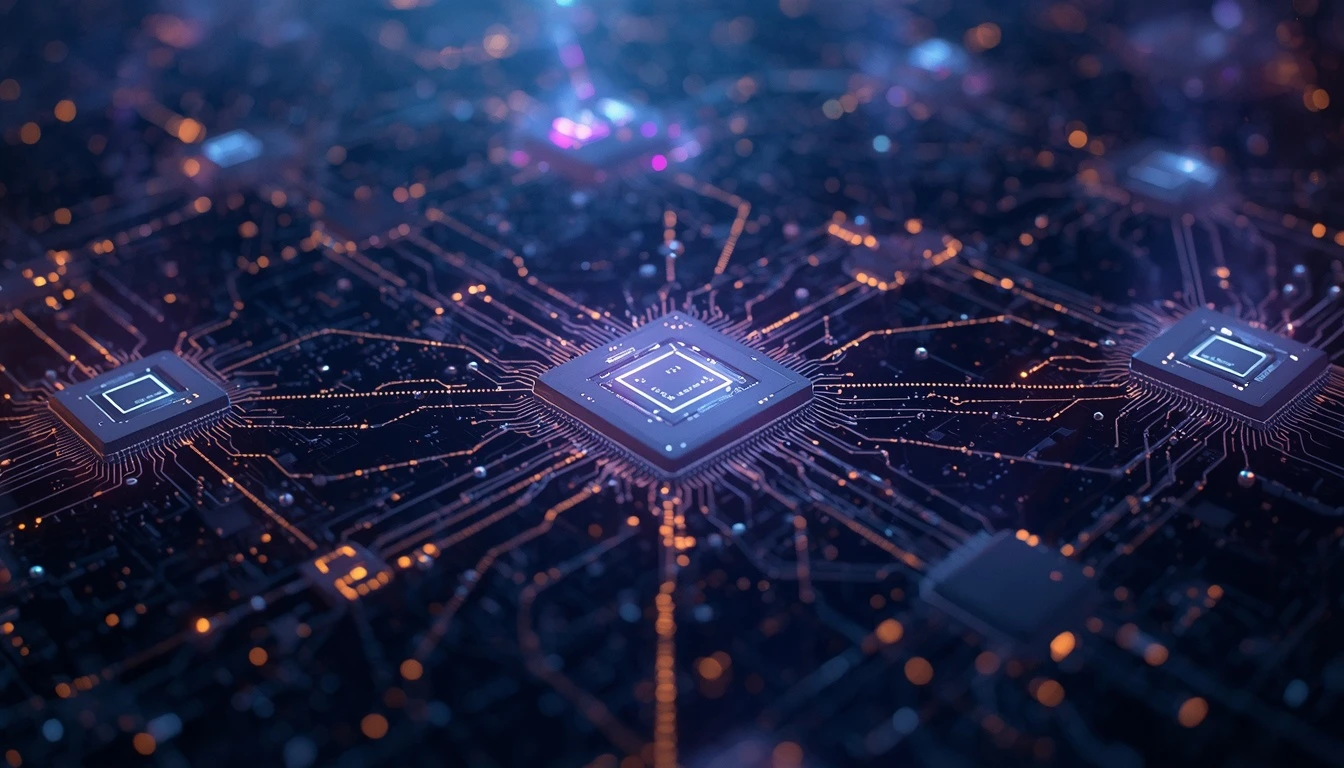
Neuromorphic computing is an approach that draws inspiration from the structure and information-processing mechanisms of biological neural networks. Artificial synapses play an important role in this field by replicating selected properties of biological synaptic connections, including adaptive signal transmission and learning-related behavior.
For Pishgaman Lotus, which focuses on software development, artificial intelligence, and digital solutions, neuromorphic computing represents an emerging technology worth monitoring. Understanding its capabilities can help identify future opportunities for developing intelligent systems that require efficient data processing and real-time responses.
What Is Neuromorphic Computing?
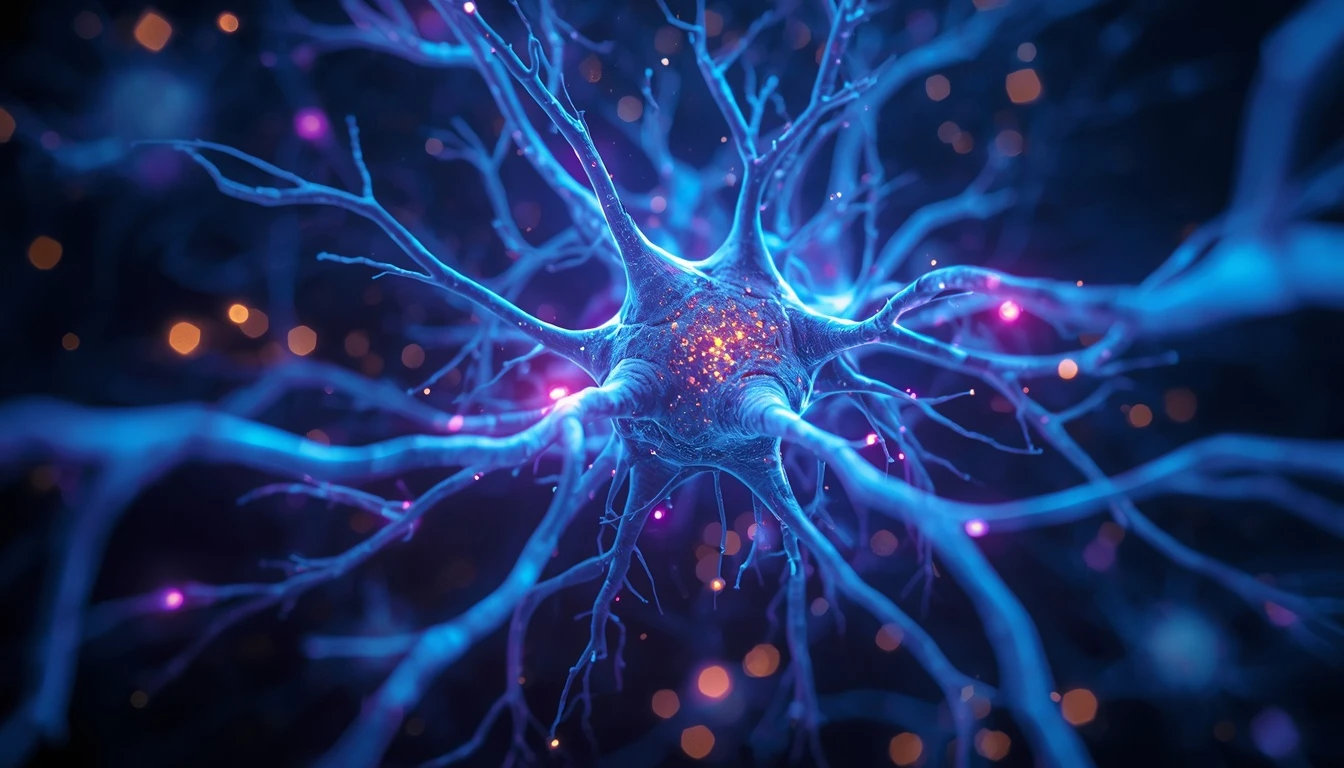
Neuromorphic computing is a computing approach inspired by how the brain and nervous system process information. In conventional computers, processing units and memory are often separate components, and transferring data between them can consume considerable time and energy. Neuromorphic architectures attempt to organize processing, memory, and communication in ways that more closely resemble biological neural networks.
Artificial neurons receive and process signals, producing pulse-like outputs under specific conditions. Connections between these neurons can have adjustable weights that influence how information moves through the network. Some neuromorphic systems use event-driven processing, activating primarily when meaningful input signals or changes occur.
This approach can be useful for applications requiring rapid responses and low power consumption. However, neuromorphic computing does not aim to reproduce the entire human brain. Instead, it applies selected principles, such as parallel processing, event-driven communication, and closer integration of memory and computation, to specific computational problems.
Pishgaman Lotus can explore these principles when evaluating future AI products and intelligent data-processing systems.
What Are Artificial Synapses and How Do They Support Learning?
In the human brain, synapses connect neurons. The strength of these connections can change in response to experience and neural activity, forming an important foundation for biological learning and memory.
An artificial synapse is a device or mechanism designed to reproduce selected characteristics of these biological connections. It can adjust the strength of a connection between processing units and retain changes in response to incoming signals.
Some artificial synapses use resistive memory technologies, in which the electrical conductance of a component changes to represent connection strength. Other approaches rely on different materials and circuit designs to reproduce synaptic behavior.
The main advantage is the potential to bring certain memory and computation operations closer together. This may reduce data movement between memory and processing units, improving efficiency in suitable applications. Nevertheless, stability, precision, endurance, energy consumption, and large-scale manufacturing remain important challenges.
For Pishgaman Lotus, understanding artificial synapses can help identify future opportunities in hardware-aware AI systems, particularly those requiring fast responses, efficient data processing, and reduced energy consumption.
Neuromorphic Computing vs. Conventional Computer Architectures
The difference between neuromorphic and conventional computing extends beyond processor design. It also involves how computations are organized, how data moves through a system, and how the system responds to incoming information.
Traditional architectures execute instructions through established processing models. In many applications, data repeatedly moves between memory and processing units. This approach is highly effective for a broad range of software workloads, although it can create substantial energy and bandwidth demands in certain AI applications.
Neuromorphic systems can support parallel and event-driven processing. Some chips operate primarily in response to incoming events, while other architectures bring memory and computation closer together. Depending on the workload, these characteristics may reduce energy consumption or processing latency.
However, these benefits depend on the hardware, algorithm, input data, and implementation. Neuromorphic computing is not a universal replacement for CPUs, GPUs, or other accelerators.
Pishgaman Lotus can evaluate this technology as a complementary option for specialized workloads, including event detection, signal analysis, and real-time processing.
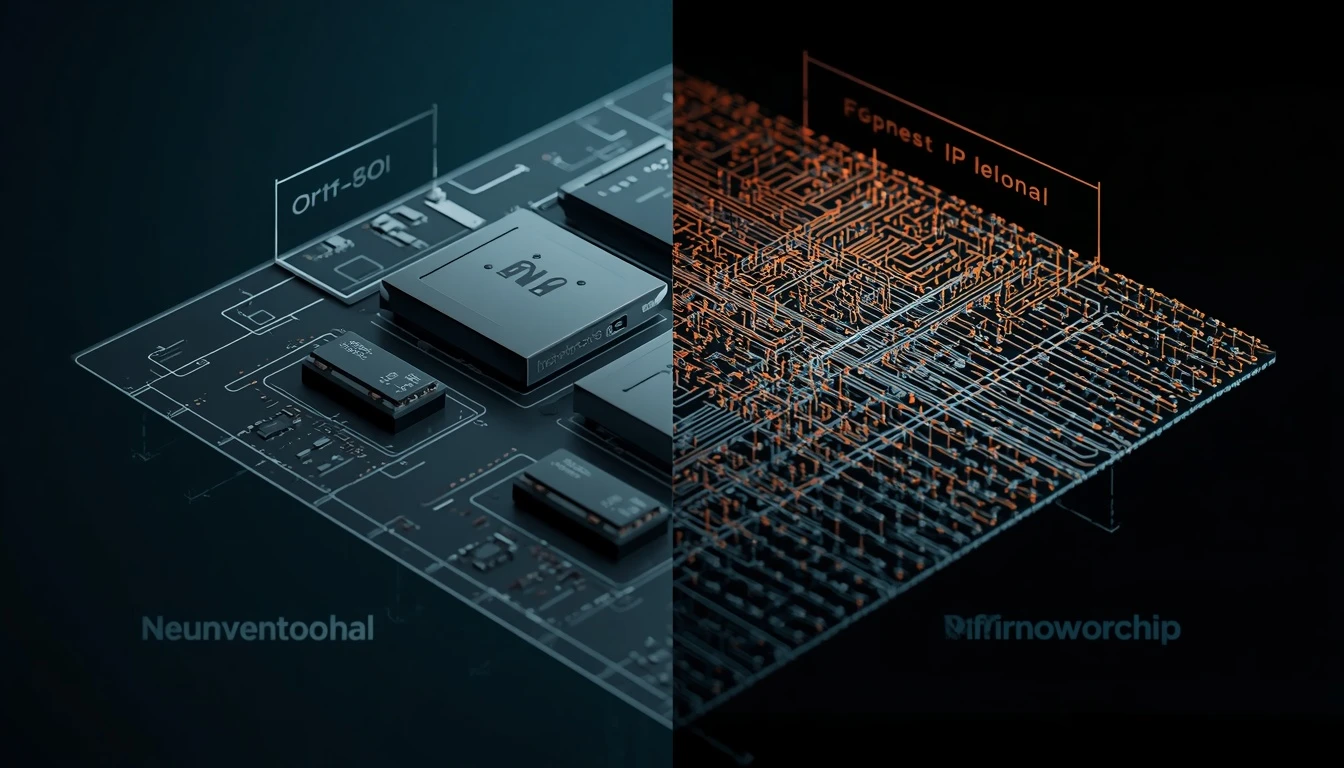
Applications of Artificial Synapses and Neuromorphic Computing
Computer vision and sensor-data analysis are among the promising application areas for neuromorphic computing. Event-based cameras, for example, capture changes in brightness with precise timing. Combining these sensors with neuromorphic processors may support motion detection, robotics, and autonomous systems where low latency and limited energy consumption are important.
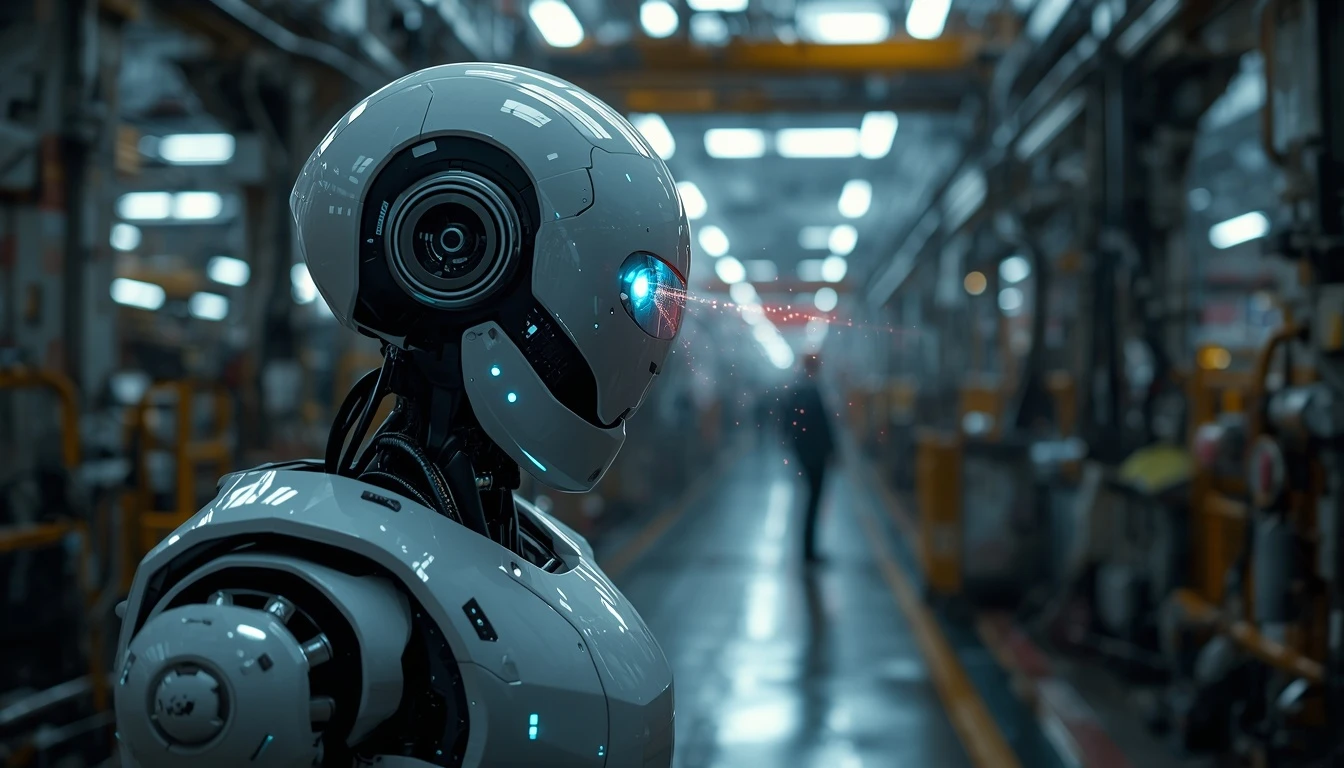
Intelligent robots and embedded systems represent another potential application area. Robots that must react quickly to environmental changes may benefit from event-driven processing, which can reduce the need to continuously process unchanged information. Wearable devices and low-power sensors are also being explored as potential beneficiaries of energy-efficient neuromorphic architectures.
In healthcare research, biological signal processing and neural data analysis are relevant areas of investigation. Industrial systems may also benefit from research into sudden-change detection, equipment monitoring, and anomaly identification.
Practical adoption in each field depends on hardware maturity, data quality, validation, and safety requirements.
Pishgaman Lotus can use market research, business-needs analysis, and AI prototyping to identify applications where real-time processing or strict energy constraints create a meaningful advantage. Before adopting neuromorphic hardware, its performance and implementation costs should be compared with conventional alternatives.
Key Benefits: Energy Efficiency and Real-Time Processing
One of the main motivations behind neuromorphic computing is the potential to reduce energy consumption for selected computational tasks. The human brain performs complex operations using relatively little energy, inspiring researchers to incorporate some of its efficient operating principles into hardware.
However, not every neuromorphic processor is more energy-efficient than every conventional processor. Actual results depend on the workload and the complete computing system.
Another potential benefit is reduced latency when processing events. Systems that must detect environmental changes immediately may benefit from architectures that avoid unnecessary processing of unchanged information. Parallel computation can also enable artificial neural networks to analyze multiple patterns simultaneously.
Artificial synapses may further reduce data-transfer costs by bringing memory and processing operations closer together. If these technologies mature successfully, they could be valuable for compact intelligent devices, autonomous robots, and edge-computing systems.
For Pishgaman Lotus, practical benefits should be assessed using measurable indicators, including power consumption, response time, model accuracy, hardware cost, and development complexity. These metrics help determine whether neuromorphic architectures offer a genuine technical and economic advantage.
Challenges and Limitations of Neuromorphic Computing
Despite its potential, neuromorphic computing faces several challenges. One major issue is the difference between its software development tools and conventional programming environments. Developers may need specialized computational models, frameworks, and tools to use certain neuromorphic processors effectively, increasing training costs and migration complexity.
Performance evaluation is another challenge. Measuring processor speed alone is insufficient to demonstrate an advantage. A fair comparison should consider the entire workflow, including data preparation, model training or adaptation, information transfer, energy consumption, and output accuracy.
Some artificial synapse technologies also face component variability, long-term stability issues, and difficulties associated with large-scale manufacturing.
Compatibility with existing software, hardware availability, maintenance costs, and the lack of unified standards may further slow industrial adoption. In addition, not every AI model is suitable for neuromorphic architectures, and conventional algorithms cannot always be transferred directly to these systems.
Pishgaman Lotus can approach this field through a staged research and development process: define a specific business problem, develop a prototype, and evaluate measurable technical and economic outcomes. This method supports evidence-based decisions rather than investment driven solely by technological novelty.
The Future of Intelligent Computing and Opportunities for Pishgaman Lotus
The future of neuromorphic computing will likely depend on specialized chip development, algorithms adapted to event-driven processing, and integration with other AI architectures.
Rather than completely replacing conventional computers, one plausible direction is hybrid computing, in which CPUs, GPUs, and specialized accelerators handle different tasks according to their strengths.
Advances in artificial synapses may also enable systems that perform selected learning and information-storage operations more efficiently. Progress will depend on semiconductor materials, circuit design, training methods, and reliable evaluation standards. Neuromorphic computing should therefore be viewed as an emerging research and engineering opportunity rather than a guaranteed solution.
For Pishgaman Lotus, practical opportunities could begin with researching specific applications, including intelligent sensor processing, computer vision, and software designed to interact with specialized hardware in the future. Collaboration between software engineers, hardware specialists, and AI researchers will be essential to transforming research findings into useful products.
Organizations that monitor emerging technologies today may be better positioned to make informed investment and product-development decisions as these technologies mature. For Pishgaman Lotus, focusing on real business problems, practical prototypes, and measurable technical and economic value can be more important than simply adopting the latest technological trends.
Conclusion
Artificial synapses and neuromorphic computing are important research directions in the development of a new generation of computing systems. Inspired by neural communication and information processing in the brain, these technologies aim to improve energy efficiency, reduce latency, and enhance the processing of selected intelligent workloads.
Their actual benefits depend on the application, hardware maturity, available development tools, and implementation costs. Adoption should therefore be based on careful technical and economic evaluation.
For Pishgaman Lotus, following these developments can help identify future opportunities in artificial intelligence, data processing, and intelligent software systems. Combining focused research, practical experimentation, and software development adapted to emerging technologies can create opportunities to benefit from these advances in future products.
Our articles:"Brain-to-Brain Communication; The Future of Human Communication"
Similar Blogs
Brain-to-Brain Communication; The Future of Human Communication

Passive BCI: Interactive Monitoring with Brain-Computer Interfaces
Brain Hacking: Real Threat or Sci-Fi Fear? Exploring Security in BCI
Have special project to begin?
Contact us if you need a unique website for your special requirements, if you think having a mobile application help you reach your business’s goals or you still do not recognize which product can help you implement your ideas. Lotus Pioneers accompany you to develop your business through consulting and by designing special products.