Brain Typing: A Complete Guide to Mind-Based Typing Technology, Applications, and Future
Brain Typing

Introduction: Entering the Era of Mind-Based Typing
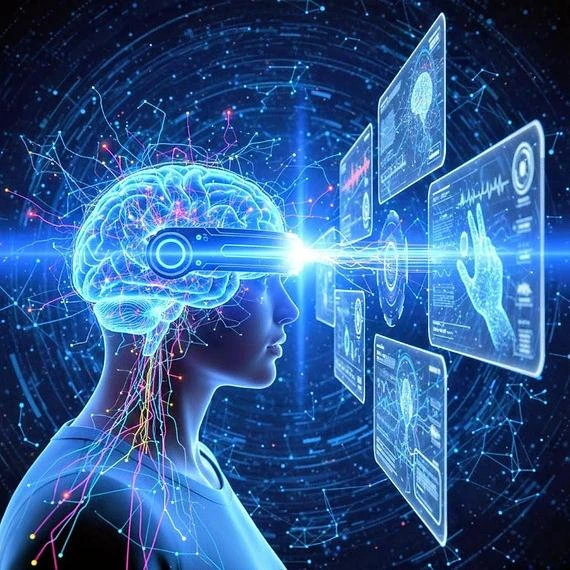
In today’s rapidly evolving digital world, the way humans interact with technology is changing faster than ever. One of the most groundbreaking innovations in this space is Brain Typing—a technology that allows users to generate text simply by thinking, without using a keyboard or any physical movement.
Recent advancements in artificial intelligence and neuroscience have transformed this concept from science fiction into a developing reality. Companies like Pishgaman Lotus are actively exploring and contributing to this field, aiming to make such technologies more practical and accessible.
What is Brain Typing and How Does It Work?
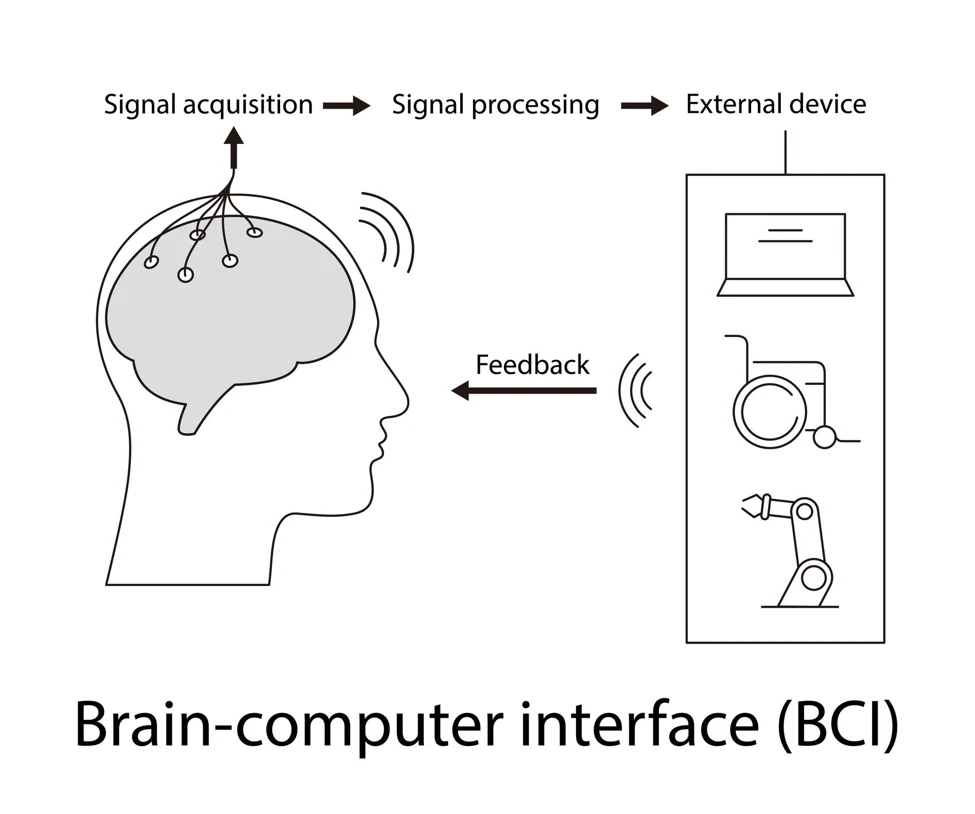
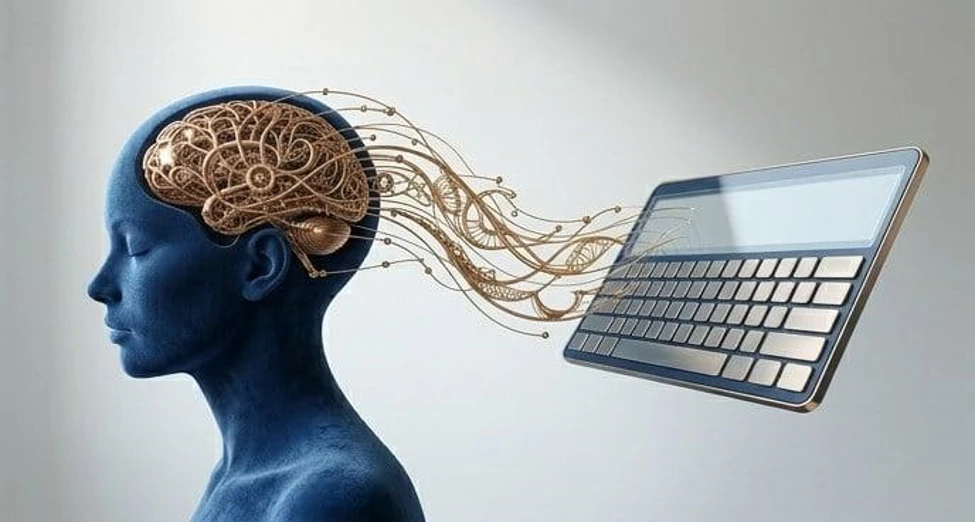
Brain Typing refers to technologies that use Brain-Computer Interfaces (BCI) to capture neural signals and convert them into text or digital commands.
The process begins with recording brain activity using devices such as EEG (electroencephalography). These signals are then analyzed by AI algorithms, which interpret patterns and translate them into readable words and sentences. As a result, users can produce text simply through thought.
This represents a major leap in human-computer interaction.
Core Technologies Behind Brain Typing
Brain Typing systems rely on a combination of advanced technologies. Artificial intelligence plays a crucial role in decoding complex brain signals. Deep learning enhances accuracy over time by adapting to each user’s neural patterns.
Additionally, EEG sensors or neural implants are used to capture brain activity. Together, these technologies form the backbone of Brain Typing systems.
Companies such as Pishgaman Lotus are working on making these technologies more affordable and practical for everyday use.
Real-World Applications of Brain Typing
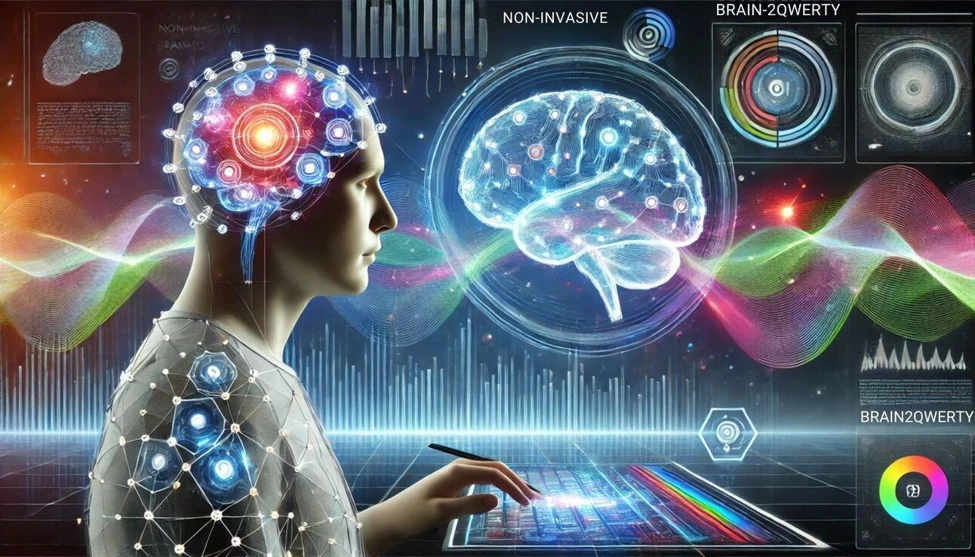
One of the most impactful applications of Brain Typing is assisting individuals with physical disabilities. People who cannot use their hands can communicate and write using only their thoughts, significantly improving their quality of life.
Beyond accessibility, Brain Typing has the potential to dramatically increase typing speed by converting thoughts directly into text. This could be highly valuable for writers, developers, and content creators.
It also has promising applications in gaming, virtual reality, and even military fields, where controlling systems through thought can create entirely new experiences.
The Role of Companies in Advancing Brain Typing
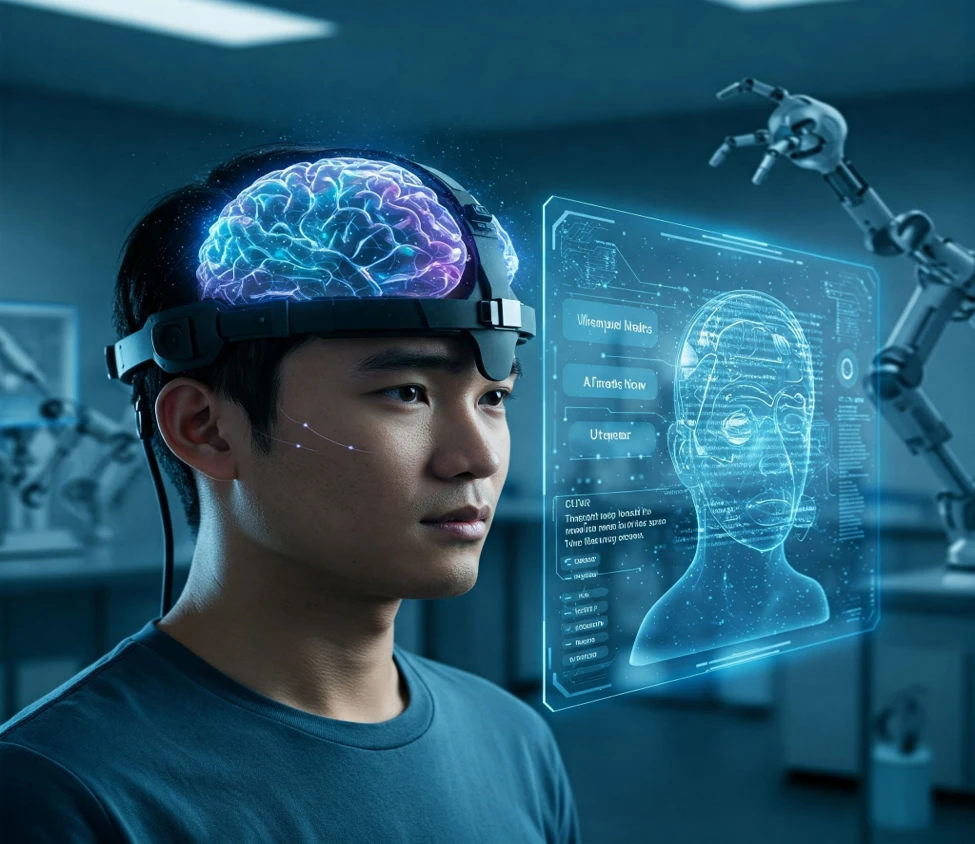
Globally, many companies are investing heavily in brain-computer interface technologies, accelerating innovation in this field.
In Iran, organizations like Pishgaman Lotus are stepping into this space, contributing to localization and development of these technologies. Their involvement is crucial for making Brain Typing more accessible and cost-effective.
Challenges and Limitations
Despite its potential, Brain Typing still faces several challenges. One major issue is accuracy, as interpreting brain signals remains complex.
Privacy and security concerns are also critical, since the technology interacts directly with human thoughts.
Additionally, the high cost of equipment limits widespread adoption. Users also require training to effectively use these systems.

The Future of Brain Typing
The future of Brain Typing looks extremely promising. Smaller, more accurate, and affordable devices are expected to become widely available.
There is also the possibility of direct brain-to-brain communication, eliminating the need for spoken or written language.
Integration with augmented reality and the metaverse could create entirely new digital experiences. Companies like Pishgaman Lotus can play a key role in shaping this future.
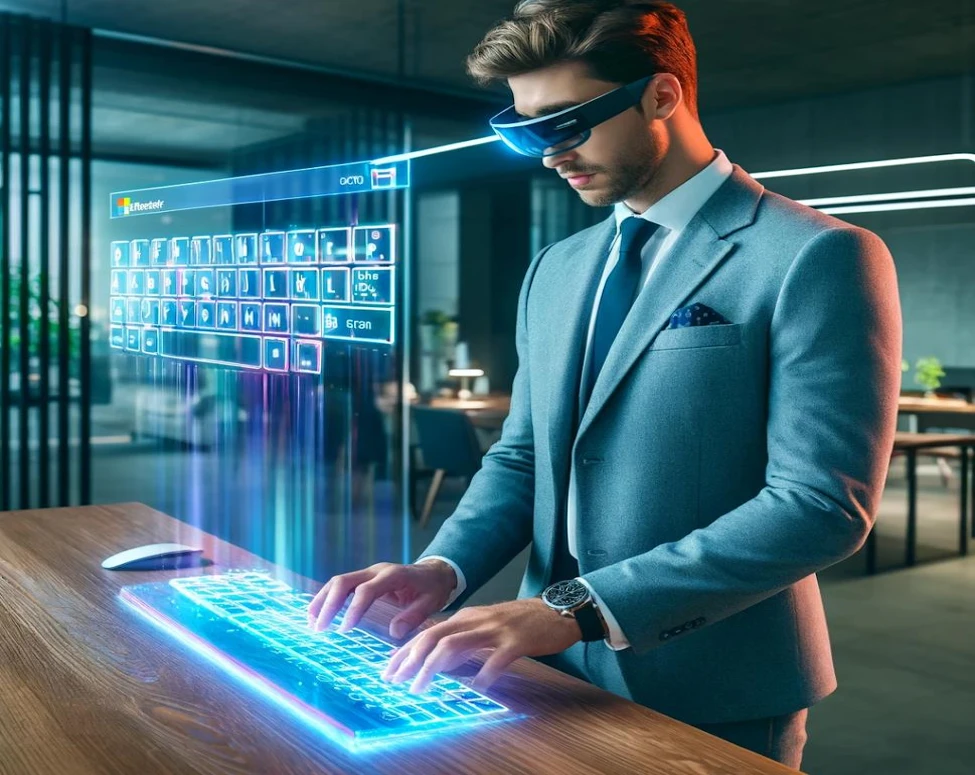
Traditional Typing vs Brain Typing
Traditional typing requires physical tools like keyboards and depends on manual skill. In contrast, Brain Typing allows users to generate text using only their thoughts, potentially increasing speed significantly.
While traditional typing is currently more accurate, Brain Typing is rapidly improving. It also provides a major advantage for individuals with physical limitations.
Conclusion
Brain Typing is one of the most exciting technological advancements of our time. It has the potential to revolutionize how humans interact with computers, improve accessibility, and enhance productivity.
Although challenges such as accuracy, cost, and security remain, ongoing advancements suggest that Brain Typing will soon become part of everyday life.
Companies like Pishgaman Lotus will play a crucial role in making this technology more accessible and practical for a wider audience.
In the near future, we may live in a world where we can write, communicate, and interact with digital systems simply by thinking.
برچسبهای بلاگ
Have special project to begin?
Contact us if you need a unique website for your special requirements, if you think having a mobile application help you reach your business’s goals or you still do not recognize which product can help you implement your ideas. Lotus Pioneers accompany you to develop your business through consulting and by designing special products.