Saving Paralyzed Patients with BCI Technology
Saving Paralyzed Patients with BCI Technology
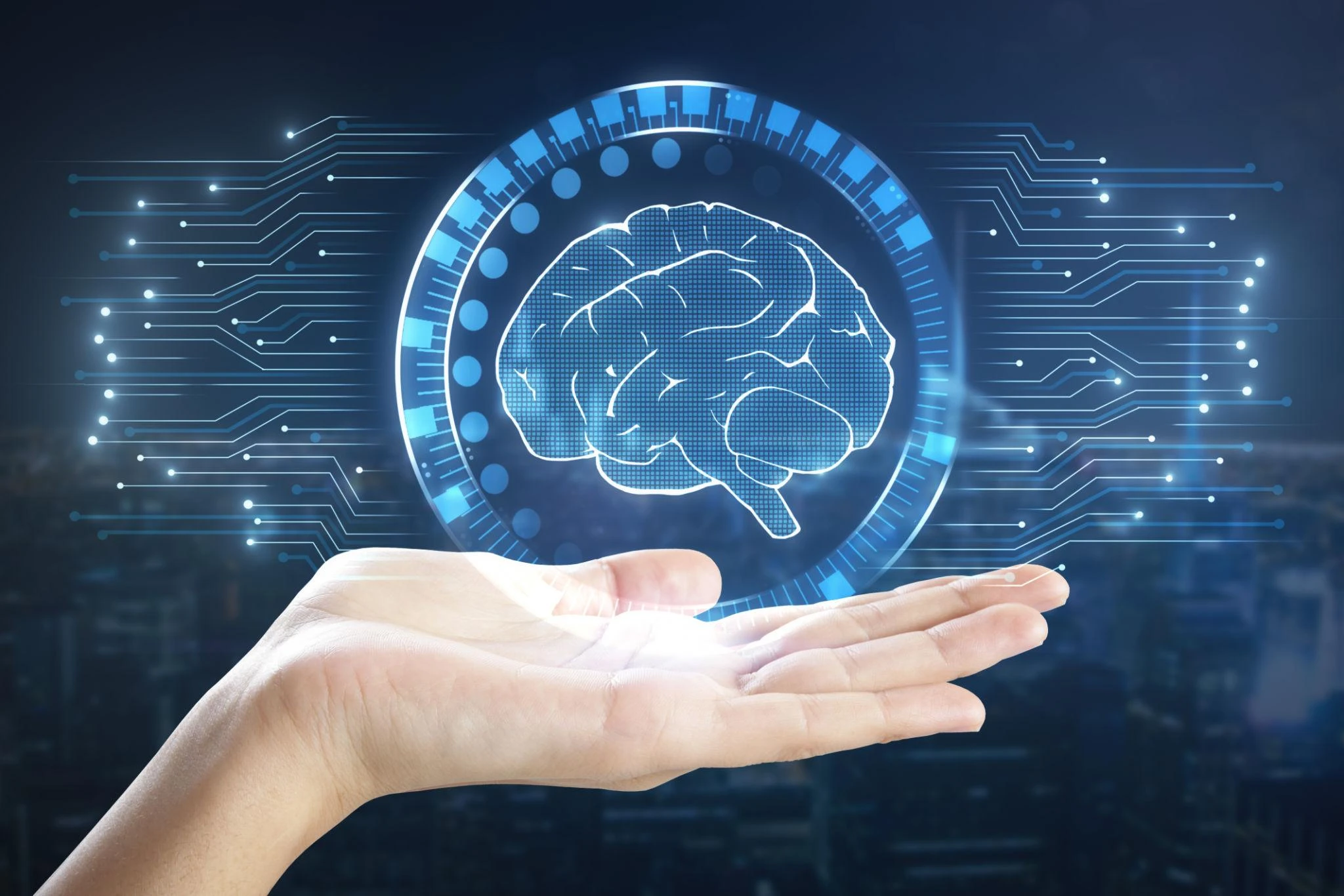
In today’s world, technological advancements are continuously pushing the boundaries of what was once considered impossible. One of the most remarkable of these innovations is Brain-Computer Interface (BCI) technology—a breakthrough that has brought new hope to paralyzed patients. In this evolving landscape, companies like Pishgaman Lotus play a crucial role in developing and localizing this technology, making the path to treatment smoother and more accessible.
What is BCI and How Does It Work?
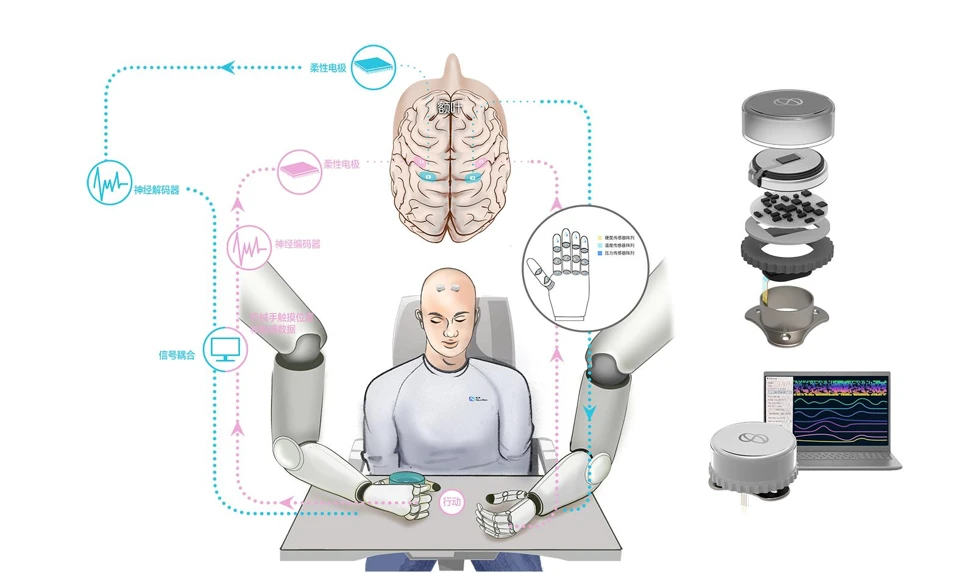
A Brain-Computer Interface (BCI) is a system that translates brain signals directly into commands that digital devices can understand. Simply put, your brain thinks—and the device executes.
This technology consists of three main stages:
- Capturing brain signals (using electrodes)
- Processing and analyzing the data
- Converting signals into actionable commands
By focusing on these three stages, Pishgaman Lotus has developed solutions that significantly improve the speed and accuracy of these systems.
How Does BCI Help Paralyzed Patients?
Paralyzed patients often lose their ability to move or communicate due to spinal cord or brain injuries. However, BCI is challenging these limitations.
Key Applications:
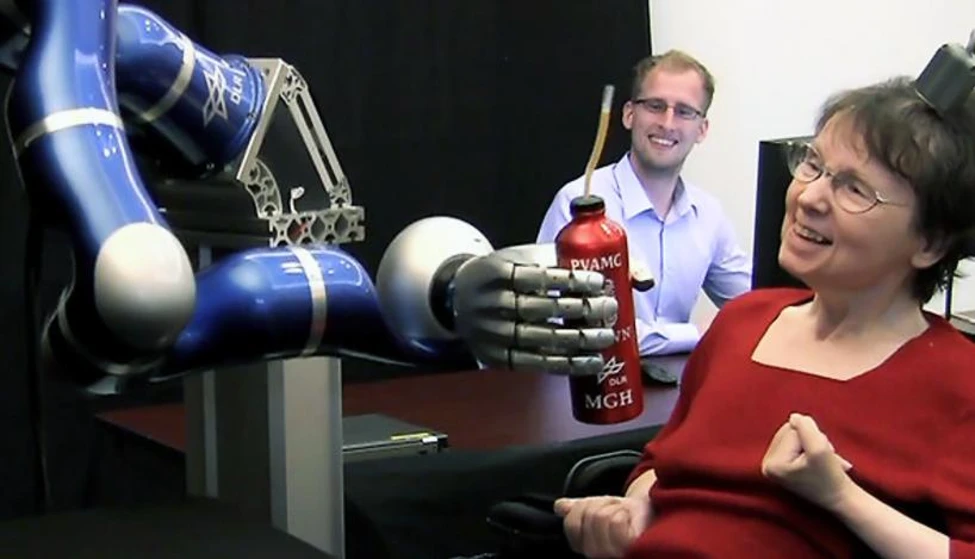
- Control of prosthetic limbs: Patients can move a robotic arm simply by thinking
- Communication: Converting thoughts into text or speech
- Control of wheelchairs or smart devices
- Neurorehabilitation and brain retraining
How Does the Brain Communicate with Machines?
To better understand this, we must know that the human brain constantly produces electrical signals. Even when you simply think about moving your hand, your brain sends a command—even if your body cannot execute it.
BCI steps in exactly at this point:
- It captures signals before they reach the muscles
- Decodes them using advanced algorithms
- Sends them to a device (such as a robotic arm)
The Role of Artificial Intelligence in BCI
One of the key factors behind the success of BCI is the use of artificial intelligence. Machine learning algorithms can recognize complex brain patterns and continuously improve system performance over time.
By combining BCI with AI, Pishgaman Lotus is developing systems that:
- Learn faster
- Respond more accurately
- Provide a better user experience
Challenges and Limitations
Despite all the progress, this technology still faces several challenges:
- High costs
- Need for extremely precise signal analysis
- Ethical and privacy concerns
- Complexity of brain implant procedures
However, the efforts of companies like Pishgaman Lotus show that these barriers are gradually being reduced.
The Future of BCI: Beyond Treating Paralysis
The future of BCI is not limited to treating patients. This technology has the potential to revolutionize human life:
- Direct communication between the mind and computers
- Enhancement of cognitive abilities
- Controlling devices without physical interaction
- Even interacting mentally with the digital world
In this journey, Pishgaman Lotus can become a key regional player and play an essential role in the digital transformation of healthcare.
Types of BCI Technology
BCI is generally divided into two categories:
1. Non-invasive BCI
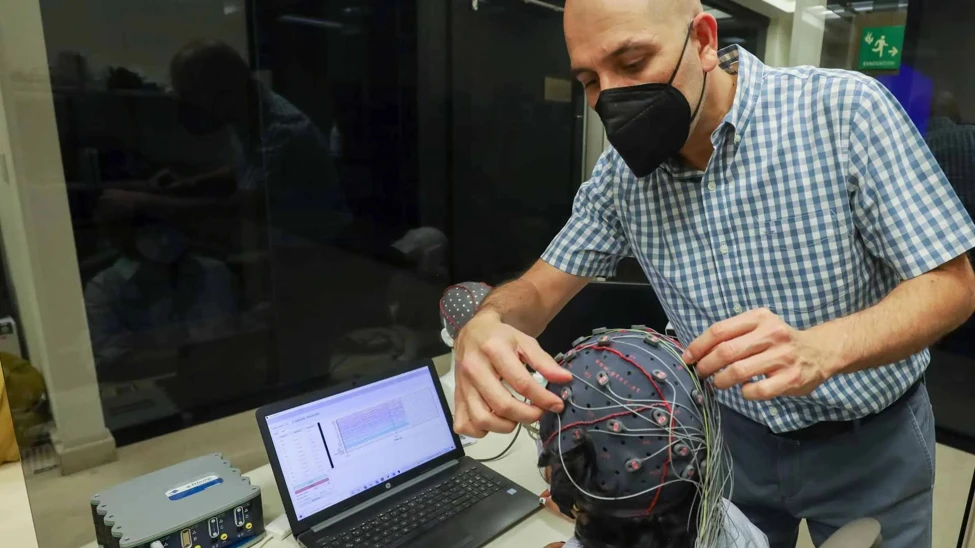
- No surgery required (e.g., EEG caps)
- Safer and more affordable
- Lower accuracy
2. Invasive BCI
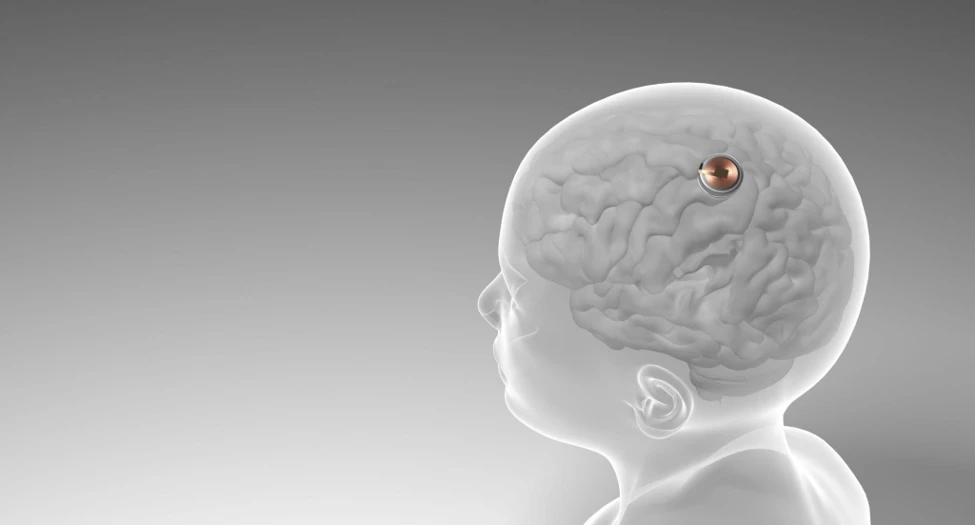
- Requires implanted electrodes in the brain
- Extremely high accuracy
- Suitable for precise control (e.g., finger movement)
Real-World Applications Already in Use
You might think this technology is still experimental—but real-world applications already exist:
✔ Typing with thought
Patients can type simply by thinking (up to 40 words per minute)
✔ Object manipulation
Robotic arms can pick up objects or open doors
✔ Movement recovery
In some cases, brain signals are reconnected to muscles
✔ Communication for locked-in patients
Individuals who cannot speak can still communicate
Some research projects associated with Pishgaman Lotus focus on localizing these applications for Persian-speaking patients.
BCI and Brain Reconstruction (Neuroplasticity)
One of the most fascinating aspects of this technology is that it is not just a replacement for movement—it can actually contribute to real recovery.
When patients train with BCI:
- The brain begins to form new neural pathways
- Lost connections are partially restored
- Natural movement may gradually return
This means BCI is not just an assistive tool—it is also a therapeutic solution.
Deeper (More Realistic) Challenges
While the future is promising, we must remain realistic:
- Each brain is unique → requires high personalization
- Learning to use BCI takes time
- Brain signals are highly noisy
- Implant costs are still high
The good news is that advances in AI and hardware are rapidly addressing these challenges.
The Future Ahead
In the near future, we may see:
- Typing without keyboards
- Sending messages using only thoughts
- Full control of smart homes with the mind
- Even sharing emotions and experiences
In such a future, companies like Pishgaman Lotus will not only contribute to treatment but also redefine the interaction between humans and technology.
Conclusion
BCI technology is no longer science fiction—it is a reality transforming the lives of paralyzed patients.
Restoring independence, enabling communication, and bringing new hope—these achievements show that the future of medicine is more dependent on technology than ever before. In this journey, the name Pishgaman Lotus can shine as one of the pioneers of this transformation.
BCI is not just a technology—it is a human revolution.
A revolution that can:
- Restore independence to paralyzed patients
- Give a voice to those who cannot communicate
- Eliminate the boundary between mind and machine
And in this path, the presence and efforts of companies like Pishgaman Lotus can significantly accelerate this transformation.
Blog Tags
Similar Blogs
Artificial Synapses and Neuromorphic Computing: The Future of Intelligent Computing

Brain-to-Brain Communication; The Future of Human Communication
Passive BCI: Interactive Monitoring with Brain-Computer Interfaces
Have special project to begin?
Contact us if you need a unique website for your special requirements, if you think having a mobile application help you reach your business’s goals or you still do not recognize which product can help you implement your ideas. Lotus Pioneers accompany you to develop your business through consulting and by designing special products.