AI Revolution in Software Development: From Idea to Execution with Intelligent SDLC
AI Revolution in Software Development

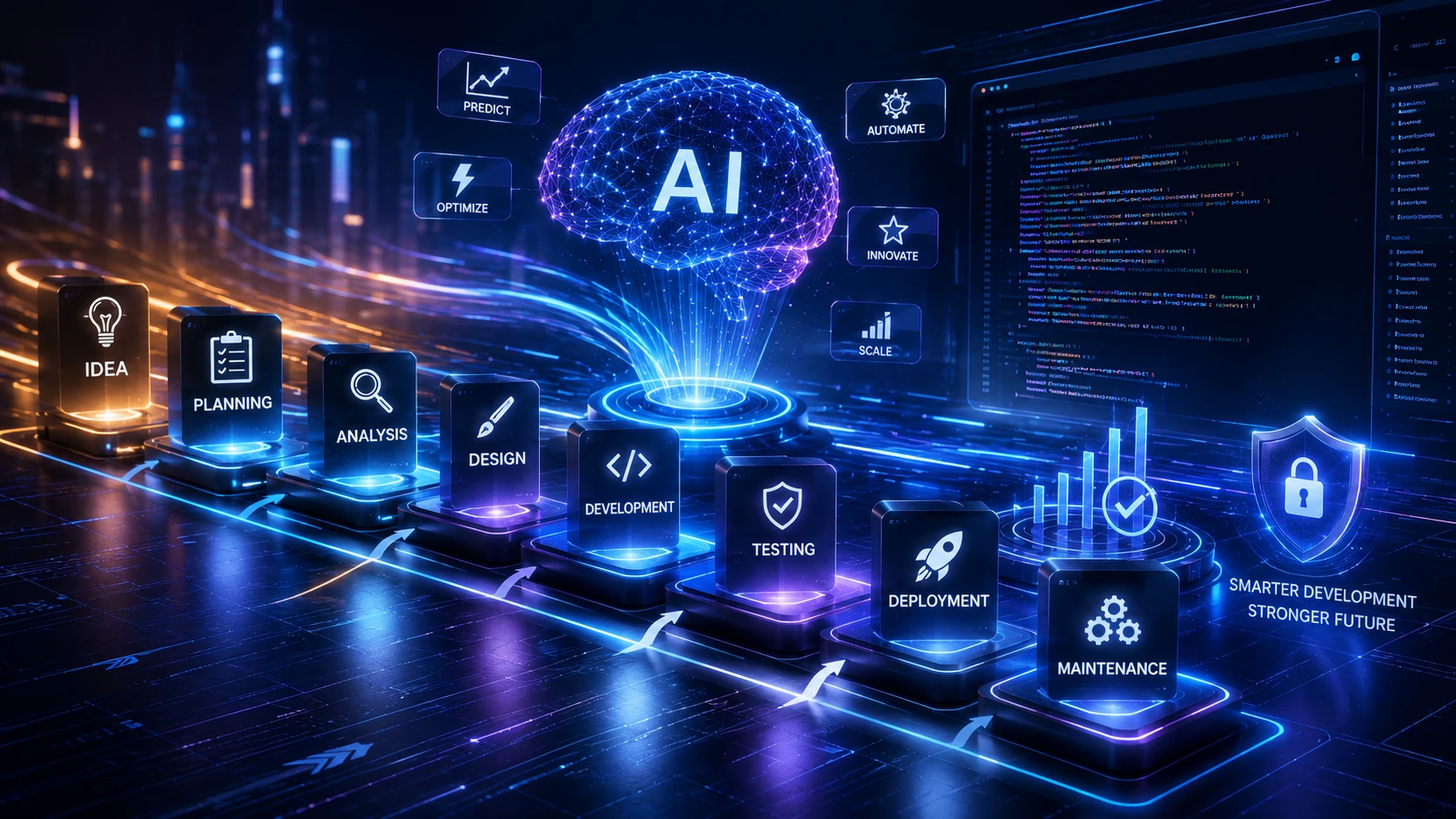
Introduction: Why AI-Augmented SDLC Matters
In today’s competitive landscape, speed, quality, and scalability are three critical factors for the success of software projects. Companies like Pishgaman Lotus are leveraging Artificial Intelligence in software development to transform the Software Development Lifecycle (SDLC) from a traditional process into an intelligent, automated, and data-driven system.
AI-Augmented SDLC refers to the integration of AI across all phases of software development—from requirement analysis to continuous maintenance and optimization.
AI in Requirement Analysis
In traditional approaches, requirement analysis was time-consuming and prone to errors. However, with the help of Natural Language Processing (NLP), AI systems can:
- Analyze conversations, emails, and textual data
- Extract hidden requirements
- Generate user stories and product backlogs
This leads to reduced ambiguity and increased accuracy at the beginning of projects—something especially critical in complex projects at Pishgaman Lotus.
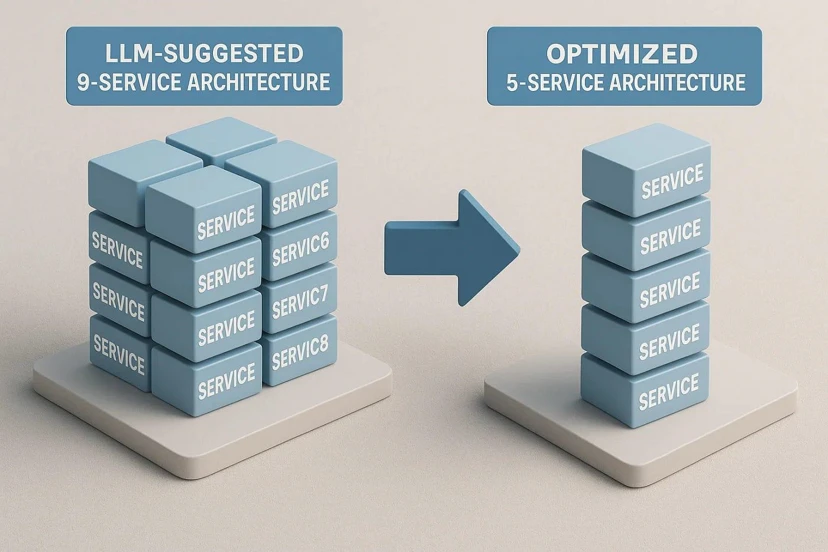
Intelligent System Design
During the design phase, AI acts as a senior advisor. By analyzing data from previous projects, AI can:
- Recommend the best architecture (Microservices or Monolith)
- Optimize database design
- Generate initial wireframes and UI concepts
This process not only accelerates design but also reduces the risk of poor decision-making.
AI-Powered Software Development
In the coding phase, AI tools such as copilots assist developers by:
- Generating clean and standardized code
- Detecting errors in real time
- Providing optimization suggestions
As a result, development teams at Pishgaman Lotus experience significantly higher productivity, allowing them to focus more on solving real business problems rather than repetitive tasks.

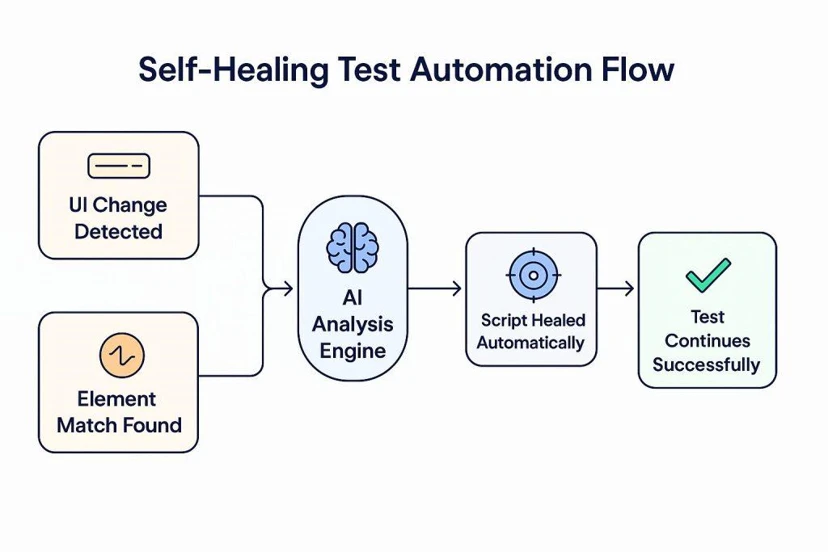
Intelligent Software Testing
One of the most important advantages of AI in SDLC is automated and intelligent testing. These systems can:
- Automatically generate test cases
- Predict bugs before they occur
- Execute self-healing tests (adaptive to UI changes)
This leads to fewer production bugs and higher overall software quality.
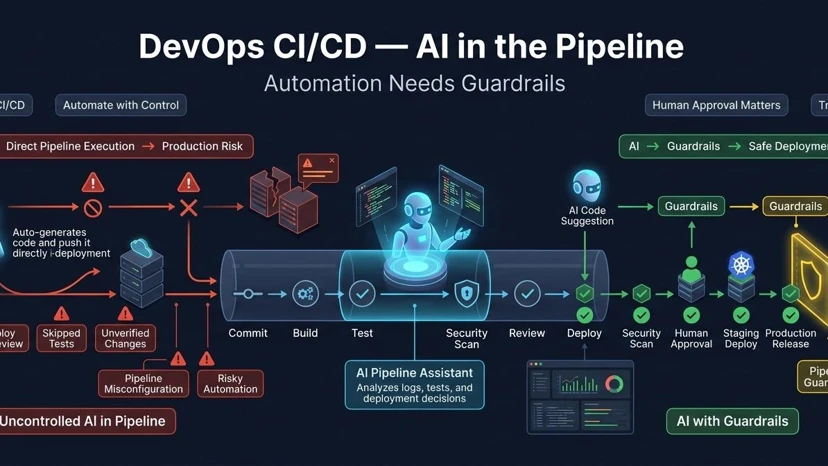
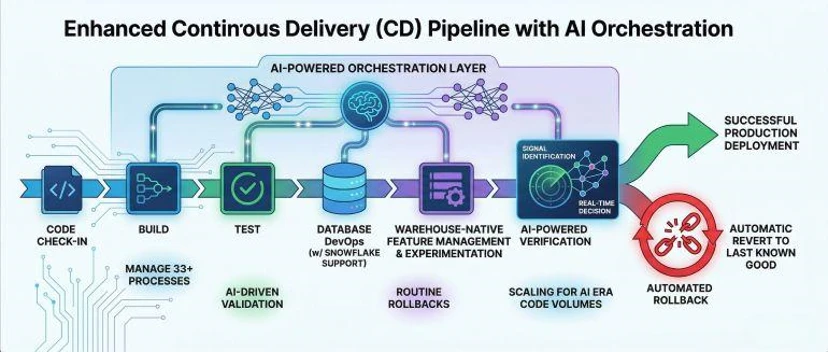
AI in Deployment & DevOps
AI enhances DevOps by fully optimizing CI/CD pipelines. It can:
- Predict deployment failures
- Determine the best time for deployment
- Optimize server resource usage
This results in reduced downtime and improved system stability.
Predictive Maintenance
After deployment, AI plays an even more critical role by:
- Continuously monitoring system performance
- Detecting anomalies
- Predicting failures before they happen
This approach, widely used in enterprise projects at Pishgaman Lotus, reduces maintenance costs and increases user satisfaction.
Key Benefits of AI-Augmented SDLC
- Faster software development
- Reduced human errors
- Improved code quality
- Data-driven decision-making
- Lower operational costs
- Increased scalability
Conclusion
Artificial Intelligence in the Software Development Lifecycle is no longer optional—it is a necessity. Organizations adopting AI-Augmented SDLC not only deliver faster but also produce higher-quality software.
Companies like Pishgaman Lotus are leveraging this approach to drive digital transformation and sustainable innovation.
Our articles:"Not Human, Yet Highly Influential: The Rise of Virtual Influencers in Digital Marketing"

Have special project to begin?
Contact us if you need a unique website for your special requirements, if you think having a mobile application help you reach your business’s goals or you still do not recognize which product can help you implement your ideas. Lotus Pioneers accompany you to develop your business through consulting and by designing special products.