Hybrid Cloud Architecture: Reducing Costs and Enhancing Enterprise Security
Reducing Costs and Enhancing Enterprise Security


Introduction
Why Hybrid Cloud Architecture Matters
As data volumes grow, enterprise software becomes more complex, and businesses demand faster and more secure access to information, IT infrastructure must become more flexible and resilient. Organizations increasingly need to expand their computing capacity without continuously investing in physical hardware while maintaining control over sensitive business information.
Hybrid Cloud Architecture combines on-premises infrastructure or private cloud environments with public cloud services. This approach allows organizations to retain sensitive data and critical applications in controlled environments while using public cloud resources for demanding workloads, rapid service development, or temporary increases in computing capacity.
Pishgaman Lotus focuses on enterprise software development, network and infrastructure implementation, and technology solutions tailored to business requirements. These capabilities can support organizations in planning and developing scalable, secure, and cost-effective digital infrastructure.
What Is Hybrid Cloud Architecture and How Does It Work?
A hybrid cloud combines on-premises infrastructure, private cloud environments, and public cloud services into an integrated computing environment. Its main objective is to place each application and dataset in the environment that best meets its security, performance, cost, and operational requirements.
For example, a company may keep financial systems, customer information, and sensitive business data within a private environment while using public cloud services to host its website, run analytical workloads, or handle sudden increases in user traffic.
However, combining different environments does not automatically create a successful hybrid architecture. Secure networking, unified identity and access management, application compatibility, clearly defined data-transfer policies, and continuous monitoring are essential components of the design.
Pishgaman Lotus can help organizations evaluate their technical and operational requirements and identify infrastructure approaches that align with their business objectives.

How Hybrid Cloud Reduces Enterprise Costs
One of the primary advantages of hybrid cloud architecture is the ability to allocate computing resources more efficiently. Traditional infrastructure often requires organizations to purchase hardware that remains underutilized during periods of low demand. Cloud services provide an alternative by allowing computing capacity to expand or contract according to actual requirements.
For example, an e-commerce business may need limited computing capacity under normal conditions but experience a significant increase in traffic during promotional campaigns. Using public cloud resources to handle additional demand can reduce the need to permanently purchase and maintain extra servers.
Nevertheless, cost savings are not automatic. Data-transfer charges, cloud subscriptions, on-premises maintenance, backup services, and specialist personnel must all be considered. Pishgaman Lotus can approach infrastructure planning by considering the total cost of ownership over time rather than focusing exclusively on initial investment.

The Role of Hybrid Cloud in Enhancing Information Security
Information security is a major reason organizations consider hybrid cloud architecture. This model allows sensitive data and critical applications to remain in environments with tighter access controls while less sensitive services benefit from the flexibility of public cloud infrastructure.
For instance, an organization may retain confidential financial information and internal documents in a private environment while using public cloud services to host its public-facing website or execute selected workloads.
Effective security requires more than choosing where data is stored. Organizations should implement encryption for data at rest and in transit, multifactor authentication, role-based access control, security event logging, and continuous monitoring. A Zero Trust approach further ensures that users and systems are not automatically trusted simply because they operate within an internal network.
Pishgaman Lotus can support secure infrastructure planning by considering network protection, access management, and operational requirements as interconnected elements of the overall solution.

Enterprise Applications of Hybrid Cloud
Hybrid cloud architecture is particularly useful for businesses with diverse requirements for security, processing speed, software development, and information management.
Financial organizations and businesses handling confidential information can use hybrid environments to separate sensitive datasets from public-facing services. E-commerce platforms can leverage cloud resources to accommodate sudden traffic increases. Software development teams can use cloud-based development and testing environments while keeping selected production systems within dedicated infrastructure.
Hybrid cloud can also support backup and disaster recovery. Storing backup copies in an environment independent of the primary infrastructure can help organizations restore services after equipment failures or major disruptions. The effectiveness of this strategy depends on proper architecture and regular recovery testing.
For Pishgaman Lotus, understanding each organization's requirements is essential because the best architecture for an e-commerce platform may differ considerably from the ideal solution for a financial institution or manufacturing business.

Challenges of Implementing Hybrid Cloud Architecture
Despite its advantages, hybrid cloud can introduce technical and operational complexity. Integrating different infrastructure environments is one of the main challenges. Legacy systems may rely on older technologies, making integration with modern cloud services dependent on new interfaces, architectural changes, or adjustments to operational processes.
Cost management is another important consideration. Without continuous visibility into resource consumption, data transfers, and service charges, operating multiple environments can increase overall expenditure rather than reduce it. Inconsistent security policies can also create vulnerabilities across connections between internal infrastructure and public cloud platforms.
To address these challenges, organizations should define clear policies for workload placement, identity management, backup and recovery, monitoring, security incident response, and cost control before implementation. Standardization, automation, and accurate documentation can further reduce operational complexity.
Pishgaman Lotus can adopt a phased approach that begins with assessing existing infrastructure, technical limitations, budget constraints, and security requirements before recommending an appropriate solution.
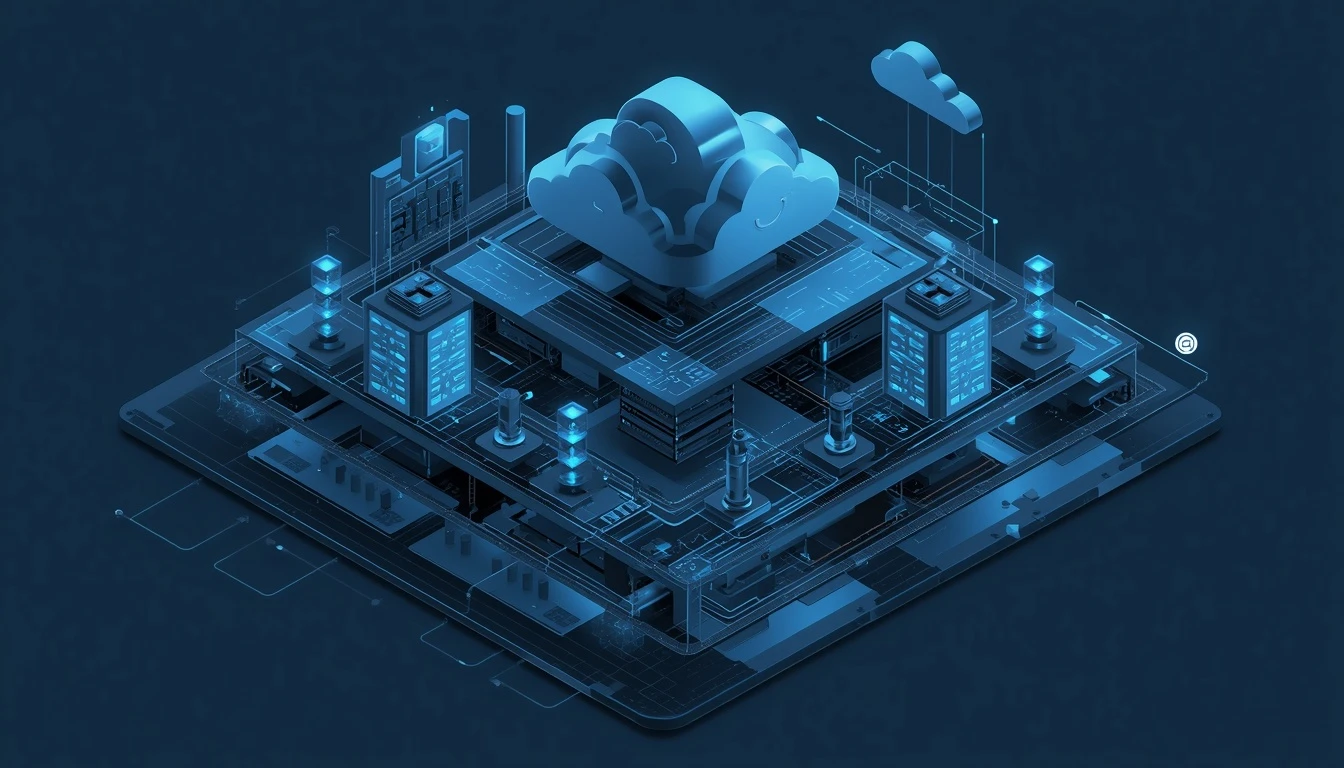
Steps to Designing and Implementing a Successful Hybrid Cloud
Successful hybrid cloud implementation begins with understanding business requirements rather than simply purchasing cloud services. Organizations should first assess their applications, datasets, regulatory obligations, performance requirements, and existing infrastructure costs. This assessment helps determine which workloads should remain on-premises and which can be moved to public cloud services.
The next stage involves designing network connectivity, security policies, access management, backup strategies, and monitoring tools. Starting with a limited, measurable pilot project allows the organization to evaluate performance, cost, and security under real operating conditions.
After reviewing the results, additional workloads can be incorporated gradually. This approach reduces the risks associated with large-scale infrastructure changes and gives IT teams time to improve operational management and support processes.
Pishgaman Lotus can contribute through infrastructure design, enterprise software development, system integration, and technical support, helping ensure that the resulting architecture aligns with the organization's long-term objectives.
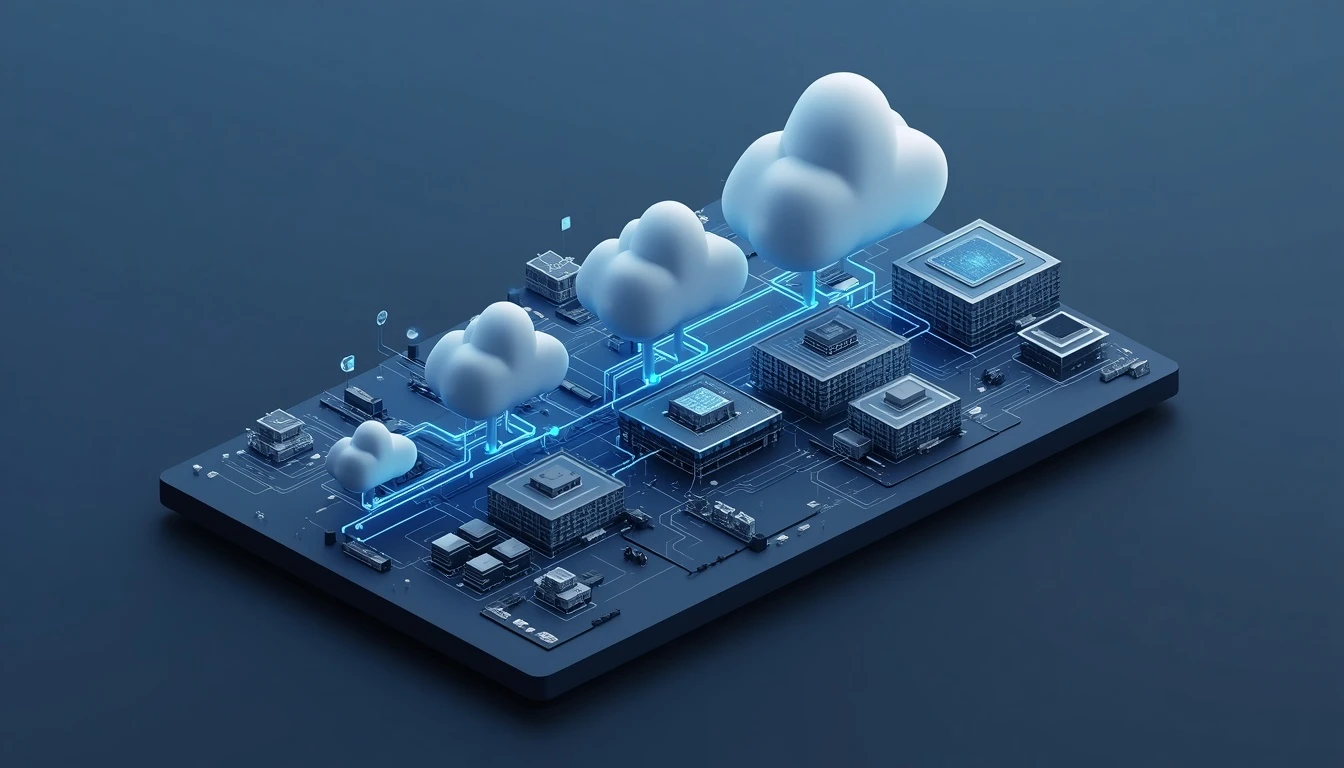
Conclusion: Choosing the Right Infrastructure for the Future
Hybrid cloud architecture offers a flexible approach for organizations seeking to combine the advantages of internal infrastructure with public cloud services. It can improve computing resource management, preserve greater control over sensitive information, increase operational flexibility, and strengthen disaster recovery strategies.
However, achieving these benefits requires careful architectural planning, accurate cost assessment, consistent security management, and continuous monitoring. The right approach should be determined by actual business requirements rather than technology trends alone.
Through enterprise software development, network and infrastructure implementation, and technical support, Pishgaman Lotus can help businesses assess their digital infrastructure needs and develop solutions that support their long-term growth.
Our articles:"Reducing Data Center Energy Consumption with Green Computing"
Blog Tags


Have special project to begin?
Contact us if you need a unique website for your special requirements, if you think having a mobile application help you reach your business’s goals or you still do not recognize which product can help you implement your ideas. Lotus Pioneers accompany you to develop your business through consulting and by designing special products.