Reducing Data Center Energy Consumption with Green Computing
Reducing Data Center Energy Consumption

Introduction
As cloud services, artificial intelligence, enterprise software, and large-scale data processing continue to expand, data centers have become increasingly important energy consumers within the technology infrastructure. Servers are only part of the picture. Cooling systems, power equipment, UPS systems, networking equipment, and other supporting infrastructure also require significant energy to keep a data center operating reliably. According to the International Energy Agency, in its base case, global electricity consumption associated with data centers is projected to grow from around 460 TWh in 2024 to more than 1,000 TWh by 2030.
This is where Green Computing becomes important. Green Computing refers to approaches that aim to use computing resources more efficiently while reducing unnecessary energy consumption and environmental impact. For Pishgaman Lotus, Green Computing can be considered as part of a forward-looking approach to software, network, and infrastructure design.
What Is Green Computing and Why Does It Matter for Data Centers?
Green Computing refers to designing, operating, and managing information technology with greater attention to energy and resource efficiency. In data centers, this approach is not limited to turning off unused servers. It can include hardware selection, workload management, cooling optimization, power management, monitoring, and efficient software architecture.
The importance of cooling is particularly significant. According to the IEA, cooling and environmental control can account for roughly 7% of electricity consumption in highly efficient hyperscale data centers and more than 30% in less-efficient enterprise facilities.
For Pishgaman Lotus, considering resource efficiency during software, network, and infrastructure projects can help create systems that use computing capacity more effectively.
Optimizing Data Center Cooling
Cooling is one of the major areas where data centers can improve energy efficiency. Servers generate heat during operation, and this heat must be removed in a controlled manner. If cooling systems operate beyond actual requirements, significant energy can be consumed without producing additional computing performance.
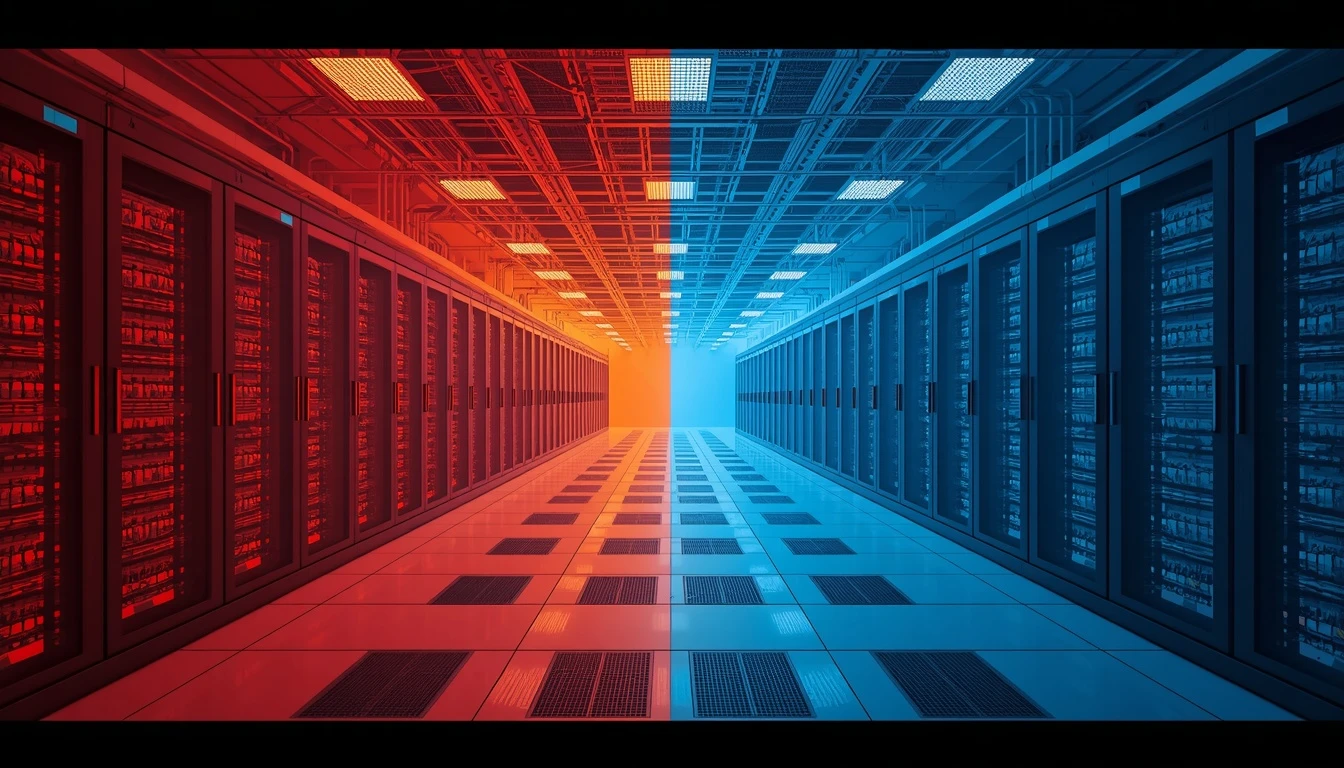
Approaches such as airflow management, hot-aisle/cold-aisle configurations, temperature sensors, humidity monitoring, and automated cooling controls can help reduce unnecessary cooling. The U.S. Department of Energy identifies airflow management and cooling optimization as important elements of energy-efficient data center operation.
For Pishgaman Lotus, network infrastructure and monitoring solutions can provide the visibility needed to understand equipment conditions and resource usage more effectively.
Reducing Energy Consumption Through Server Virtualization
In many organizations, part of a server's computing capacity may remain underutilized. Virtualization allows multiple workloads or environments to share physical computing resources, potentially increasing hardware utilization.
Higher utilization can reduce the need for additional physical servers and may therefore reduce electricity consumption and cooling requirements. The actual savings depend on workload characteristics, architecture, and resource-management practices.
Pishgaman Lotus can consider efficient resource utilization when designing infrastructure and enterprise software architectures, particularly where multiple services share computing, storage, and networking resources.
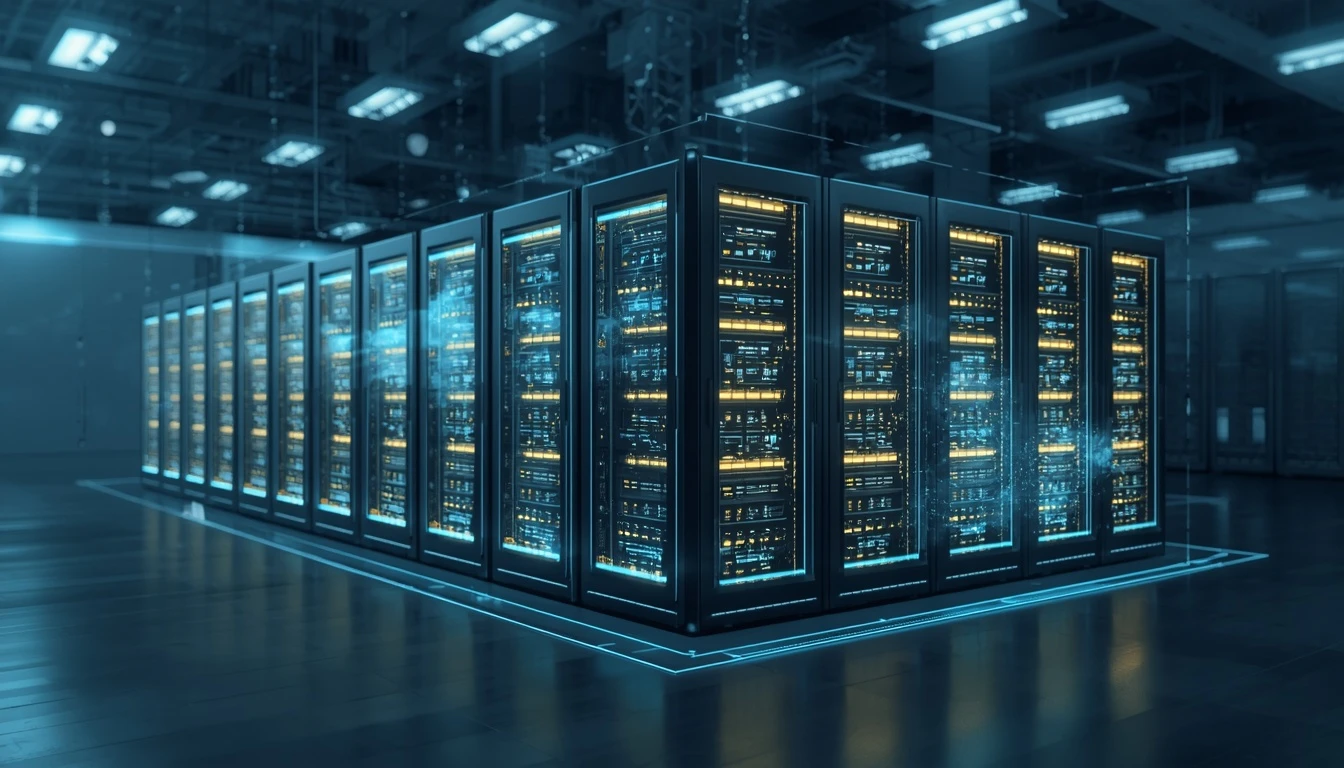
Intelligent Monitoring of Energy and Infrastructure Performance
Optimization begins with measurement. Modern data centers can use sensors and monitoring platforms to collect information about electricity consumption, temperature, humidity, equipment status, network activity, and computing workloads.
One of the most widely used metrics is PUE, or Power Usage Effectiveness. It represents the ratio between total data center energy consumption and the energy consumed by IT equipment. A value closer to 1 indicates that a larger share of facility energy is being delivered directly to IT equipment. However, PUE does not measure every dimension of data center sustainability.
U.S. Department of Energy research has also demonstrated how sensor networks and real-time environmental information can support opportunities for energy optimization.
For Pishgaman Lotus, monitoring can become an important part of network and infrastructure projects by making system performance and resource usage more visible.
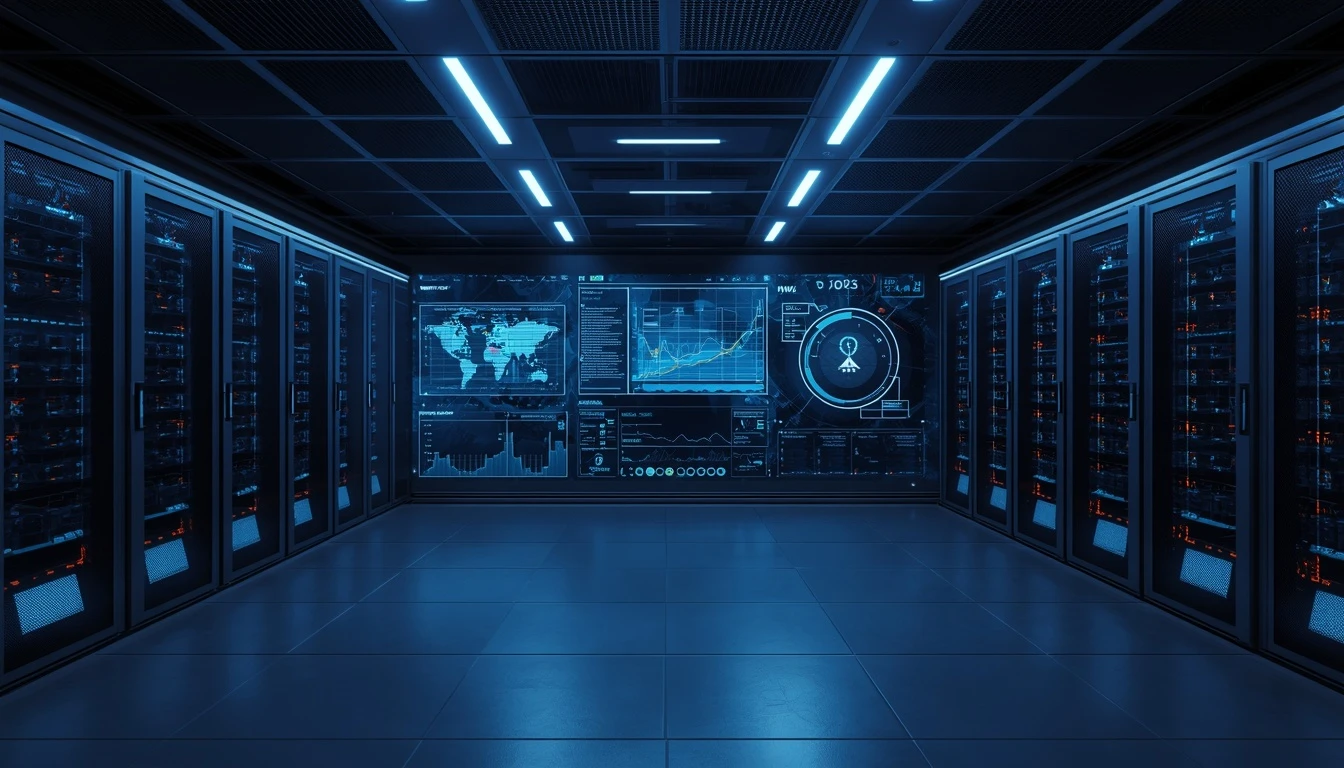
Using Energy-Efficient Hardware
Green Computing begins with hardware selection. Processors, storage systems, power supplies, networking equipment, and other components differ in their energy efficiency and performance characteristics. Selecting hardware according to actual requirements can prevent unnecessary energy consumption caused by excessive capacity.
Older equipment may also consume more energy to deliver a similar level of computing performance compared with newer generations. Evaluating equipment lifecycle and deciding when upgrades or replacements are appropriate can therefore become part of a Green Computing strategy.
The U.S. Department of Energy's data center design guidance considers IT equipment, electrical systems, and cooling systems as interconnected parts of overall efficiency.
In infrastructure projects, Pishgaman Lotus can consider actual capacity requirements and future scalability when evaluating technology architecture and equipment.
The Role of Software in Reducing Energy Consumption
Green Computing is not limited to physical infrastructure. Inefficient software can place unnecessary pressure on processors, memory, storage, and networking resources. Efficient architecture, database optimization, caching, workload management, and better request processing can reduce unnecessary resource usage.
For example, if a system can process a request using fewer computational resources, the impact can become significant when the same operation is repeated millions of times.
Pishgaman Lotus, through its work in enterprise software, complex websites, and software platforms, can incorporate resource efficiency into software architecture and development practices.
Using Renewable Energy
Reducing energy consumption is one part of Green Computing; the source of electricity is another. Where technically and economically feasible, renewable sources such as solar and wind can reduce dependence on fossil-fuel-based electricity.
According to the IEA's 2025 analysis, renewables supplied around 27% of global data center electricity consumption, and renewable sources are expected to provide a substantial portion of the additional electricity required by data centers in the coming years.
For Pishgaman Lotus, infrastructure planning can consider energy efficiency alongside scalability, reliability, security, and resource requirements.
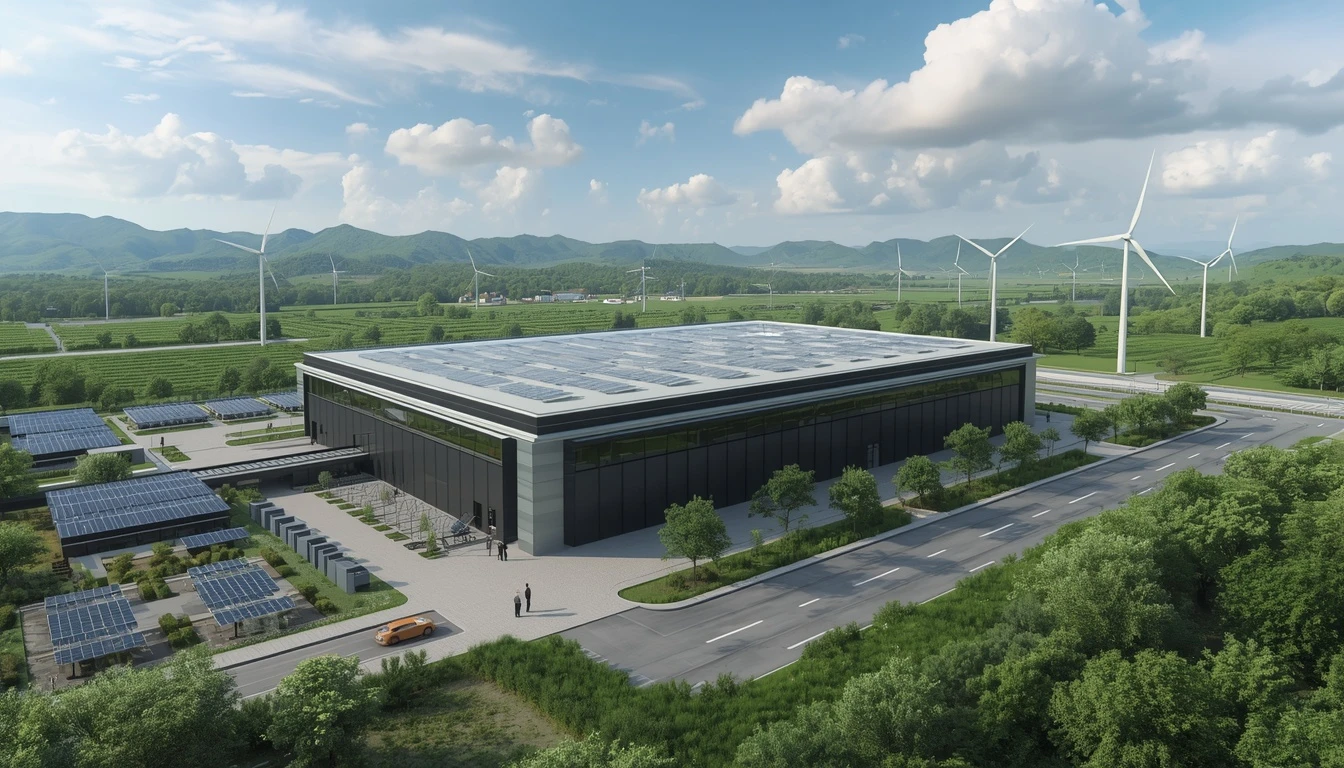
Green Computing and Intelligent Resource Management
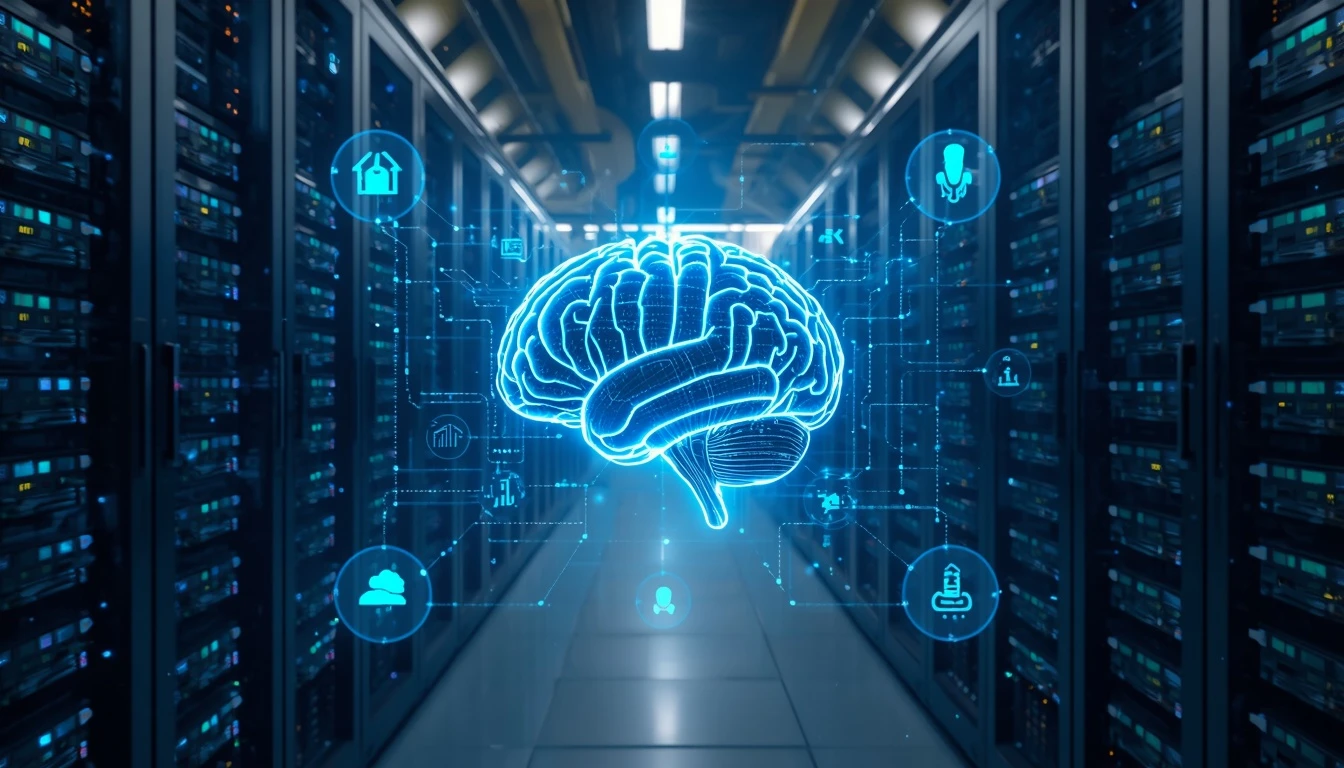
Modern data centers can increasingly use data and automation to manage resources more intelligently. Monitoring systems can identify consumption patterns and provide information for capacity planning, workload management, and maintenance.
Artificial intelligence and data analytics can also be used in some applications to forecast workloads or identify unusual consumption patterns. However, AI itself requires computing resources, so a Green Computing strategy should evaluate the overall resource lifecycle rather than assuming that adding AI automatically creates efficiency.
Pishgaman Lotus, with capabilities in artificial intelligence as well as network and infrastructure implementation, can consider these technologies together when designing future-oriented digital systems.
Important Metrics for Measuring Data Center Efficiency
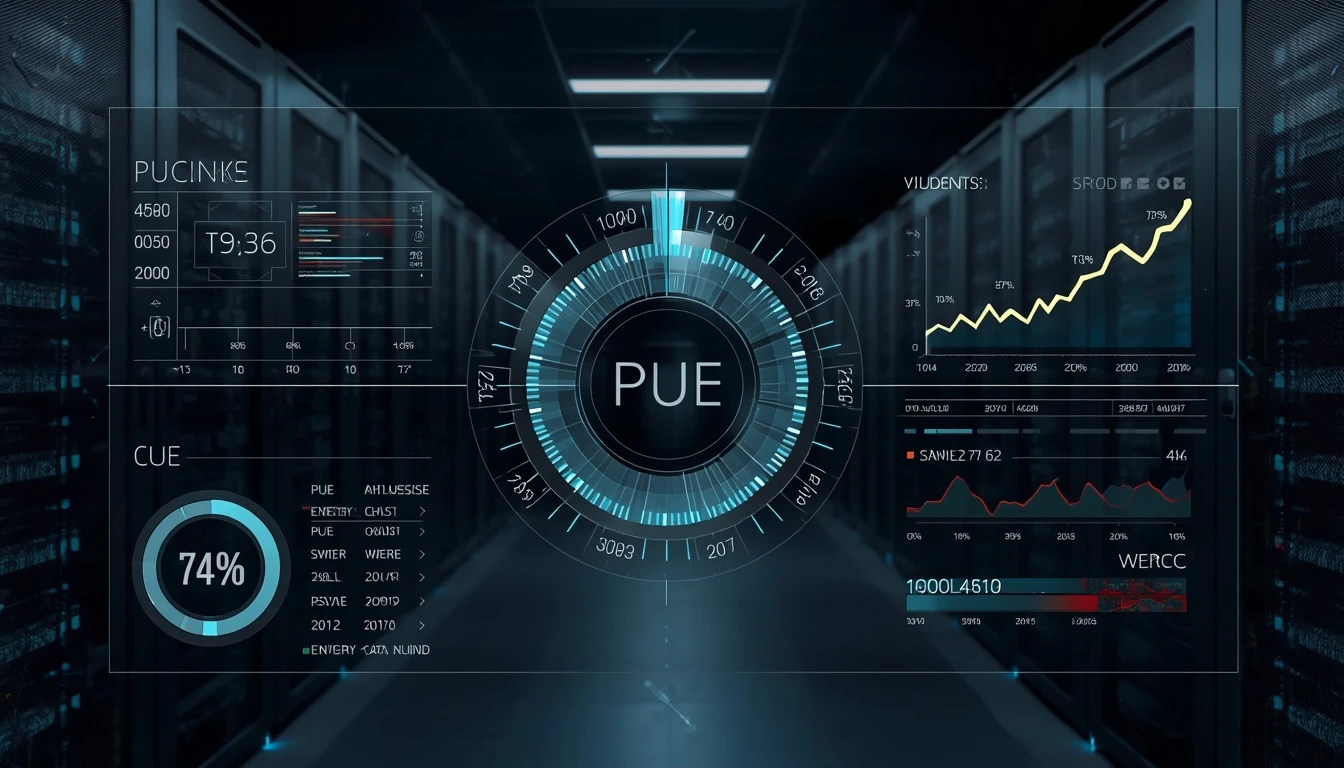
For Green Computing to become a measurable strategy rather than a general concept, organizations need clear performance indicators. PUE measures the energy efficiency of data center infrastructure. WUE, or Water Usage Effectiveness, relates water consumption to IT energy use, while CUE, or Carbon Usage Effectiveness, connects data center energy use with carbon emissions.
These metrics can help organizations compare performance over time and evaluate whether efficiency initiatives are producing measurable improvements.
For Pishgaman Lotus, this approach means moving from infrastructure that simply operates to infrastructure whose performance can be observed, measured, and continuously optimized.
Green Computing as a Long-Term Data Center Strategy
Reducing data center energy consumption does not depend on one isolated action. Hardware selection, infrastructure architecture, virtualization, workload management, cooling optimization, monitoring, and renewable energy can work together as parts of a broader Green Computing strategy.
The U.S. Department of Energy also emphasizes that there is no single data center design that is optimal for every environment. Efficiency strategies need to consider factors such as climate, workload, infrastructure, and operational requirements.
For Pishgaman Lotus, Green Computing can become part of a broader approach to network, infrastructure, software, AI, and enterprise systems—where performance, scalability, security, and resource efficiency are considered together.

Conclusion
Green Computing is no longer limited to an environmental concept. It has become an important consideration in the design and operation of modern technology infrastructure. The growth of cloud computing, artificial intelligence, and digital services makes efficient data center energy management increasingly relevant.
Cooling optimization, server efficiency, virtualization, intelligent monitoring, appropriate hardware selection, renewable energy, and efficient software architecture can work together to reduce unnecessary resource consumption.
Pishgaman Lotus can combine software development, network and infrastructure implementation, artificial intelligence, and enterprise technology to contribute to digital systems that consider performance, scalability, and efficient resource utilization together.
Our articls:"AI Revolution in Software Development: From Idea to Execution with Intelligent SDLC"
Blog Tags

Have special project to begin?
Contact us if you need a unique website for your special requirements, if you think having a mobile application help you reach your business’s goals or you still do not recognize which product can help you implement your ideas. Lotus Pioneers accompany you to develop your business through consulting and by designing special products.