Not Human, Yet Highly Influential: The Rise of Virtual Influencers in Digital Marketing
The Rise of Virtual Influencers in Digital Marketing
Introduction: Where Humans Meet Algorithms
In recent years, the line between the physical and digital worlds has blurred dramatically. One of the most fascinating outcomes of this shift is the rise of virtual influencers—digitally created personas who exist only online yet command millions of followers, collaborate with global brands, and shape consumer behavior.
These AI-powered personalities are redefining what it means to influence. Companies like Pishgaman Lotus are increasingly leveraging this transformation to create innovative digital marketing strategies that merge creativity with cutting-edge technology.
What Is a Virtual Influencer and How Is It Created?
A virtual influencer is a computer-generated character designed using 3D modeling, artificial intelligence, animation, and storytelling techniques. These characters can appear hyper-realistic or stylized depending on the brand’s identity and campaign goals.
The creation process involves character design, 3D modeling, rigging, animation, and content production. In more advanced cases, AI is integrated to simulate conversations and interactions, making these avatars feel more human-like.
Organizations such as Pishgaman Lotus combine expertise in UI/UX design, AI development, and content strategy to turn these digital characters into powerful marketing assets.
Why Brands Are Investing in Virtual Influencers
One of the biggest advantages of virtual influencers is full control. Brands can manage every aspect of their personality, appearance, and behavior without the unpredictability associated with human influencers.
They also eliminate physical limitations. Virtual influencers can “travel” anywhere, appear in multiple campaigns simultaneously, and adapt instantly to different creative directions.
Additionally, younger audiences are highly attracted to digital innovation. Virtual influencers provide a fresh, futuristic appeal that captures attention and boosts engagement.
The Impact on Digital Marketing
Virtual influencers are reshaping digital marketing on multiple levels. First, they challenge traditional notions of authenticity. Despite being fictional, they build strong emotional connections through storytelling and consistent branding.
Second, they enhance data-driven marketing. Every action and interaction can be optimized using analytics, making campaigns more precise and effective.
Companies like Pishgaman Lotus utilize AI and market research to help brands maximize engagement and ROI through these innovative tools.
Advantages and Challenges
Virtual influencers offer scalability, creative freedom, and reduced reputational risk. However, they also come with challenges.
Authenticity remains a key concern, as some audiences may prefer real human connections. Ethical considerations, including transparency and data usage, also play a critical role.
Moreover, the initial cost of creating high-quality virtual influencers can be significant, especially for brands aiming for realism and advanced interaction.
The Future: From Social Media to the Metaverse
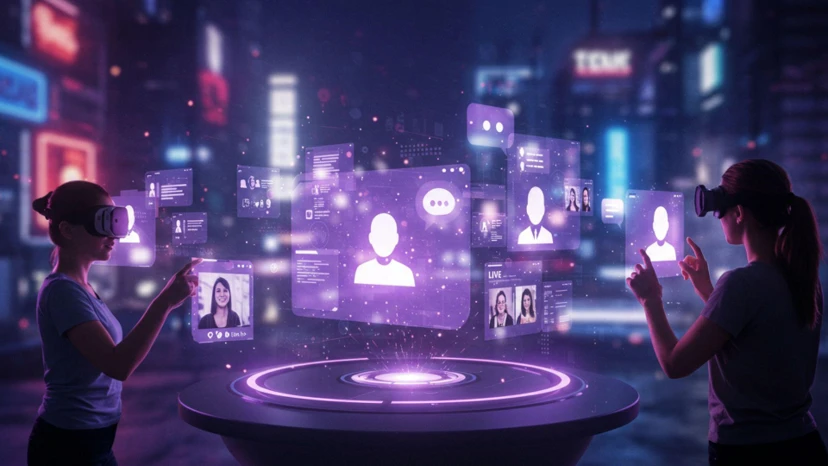
As technologies like AR, VR, and the metaverse evolve, virtual influencers will expand beyond social media into immersive digital environments.
In the near future, these avatars will interact with users in real time, provide personalized experiences, and become integral to virtual economies.
Brands that adopt this trend early—especially with support from tech-driven companies like Pishgaman Lotus—will gain a strong competitive advantage.
Conclusion
Virtual influencers are no longer just a trend; they represent the future of digital marketing. By combining technology, storytelling, and strategy, they create unique and engaging brand experiences.
Businesses seeking innovation and differentiation should seriously consider integrating virtual influencers into their marketing strategies.
Our articles:"Decentralized Social Networks: A Future Where Your Data Truly Belongs to You"
Similar Blogs
Mental Health in the Digital World: Opportunities and Risks of Digital Life

Decentralized Social Networks: A Future Where Your Data Truly Belongs to You
From Zero to Your First Dollar: Turning Social Media into Real Income
Have special project to begin?
Contact us if you need a unique website for your special requirements, if you think having a mobile application help you reach your business’s goals or you still do not recognize which product can help you implement your ideas. Lotus Pioneers accompany you to develop your business through consulting and by designing special products.