Mental Health in the Digital World: Opportunities and Risks of Digital Life
Mental Health in the Digital World

Introduction
Digital life is no longer just a part of everyday life. It has become one of the main environments for communication, work, education, entertainment, and social interaction. Social networks, messaging platforms, online games, video platforms, and artificial intelligence tools have created new opportunities for connection and access to information. At the same time, challenges such as excessive digital use, social comparison, anxiety, social isolation, and digital fatigue have become increasingly important.
For Pishgaman Lotus, technology development is not limited to technical performance. The experience technology creates in people's lives also matters. This is why mental well-being and user behavior can become important considerations in responsible digital product design.

Opportunities of the Digital World for Mental Health
The digital world is not necessarily a threat to mental health. In many situations, technology can improve access to social support, educational resources, and professional services. People who face geographical or social limitations can use online communities to connect with others who share similar interests or experiences.
Online counseling and digital health platforms can also make certain professional services more accessible. Educational content about stress management, sleep, concentration, and communication skills can further increase awareness.
Pishgaman Lotus, through its digital product development capabilities, can contribute to platforms that combine functionality with simplicity, reliability, and user-centered experiences.

The Risks of Excessive Digital Use
One of the major challenges of digital life is excessive technology use. When people spend too much time on social media, games, or online content, their daily activities, sleep, family relationships, and offline interactions may be affected.
Constant exposure to notifications and new content can also reduce concentration and keep the mind in a continuous state of information consumption. Over time, this may contribute to mental fatigue and reduced quality of rest.
From the perspective of Pishgaman Lotus, thoughtful UX design can help reduce some of these problems by minimizing unnecessary complexity, reducing disruptive stimuli, and creating clearer interactions.

Social Comparison and Social Media
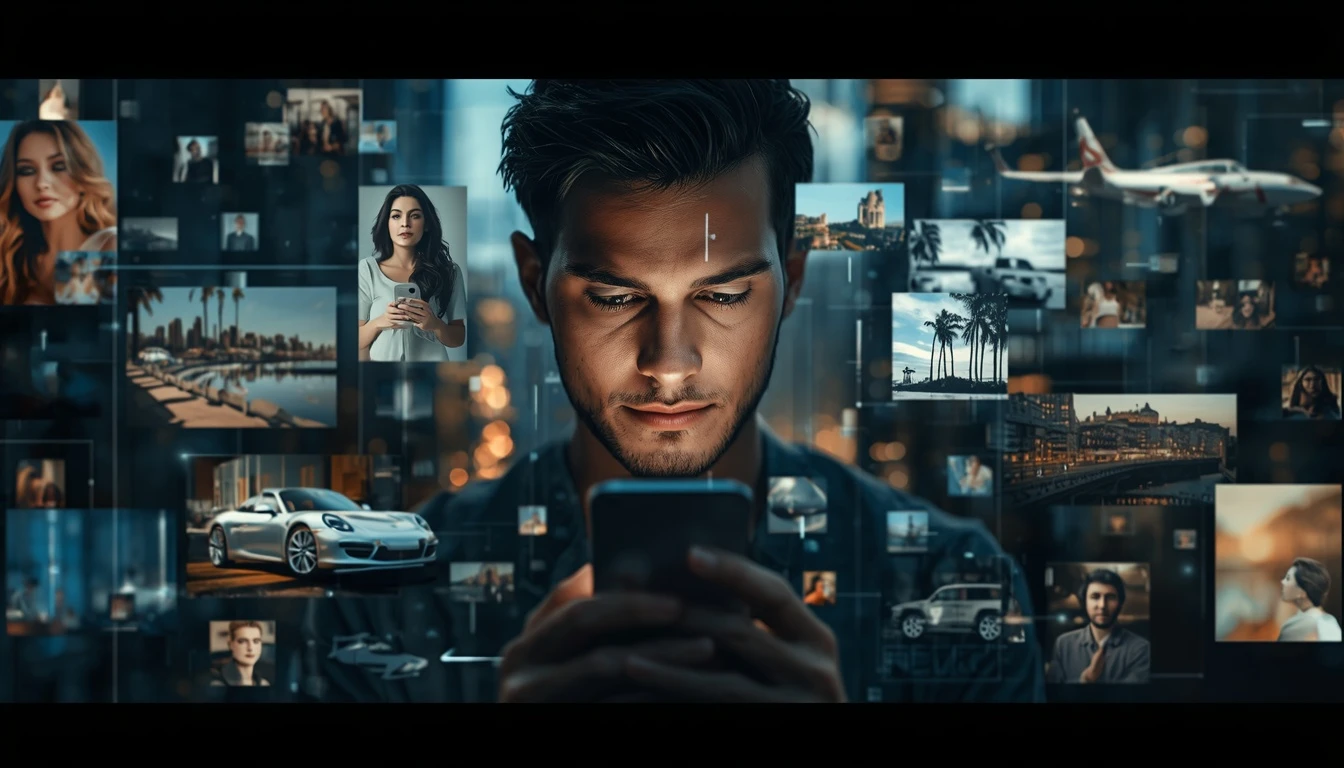
Social networks allow people to see selected parts of other people's lives. However, these images are often carefully edited and curated. Comparing real life with an idealized version of someone else's life can create feelings of inadequacy or reduce life satisfaction.
This becomes particularly important when users are constantly exposed to images of success, wealth, beauty, or an ideal lifestyle. Recommendation algorithms can also repeatedly expose users to similar content and keep them within a specific psychological environment.
Pishgaman Lotus can contribute to more ethical digital experiences by incorporating transparent UX principles and avoiding designs that focus solely on maximizing user engagement.
Loneliness in an Always-Connected World
One of the paradoxes of digital life is that increased online connectivity does not necessarily reduce loneliness. A person may have hundreds of followers and online contacts while still lacking deep and meaningful relationships.
Digital communication becomes more valuable when it complements real-world relationships rather than completely replacing them. Face-to-face conversations, group activities, and shared experiences remain important for building meaningful human connections.
When designing social products, Pishgaman Lotus can focus not only on the number of interactions but also on the quality and meaning of those interactions.
The Role of UX Design in Mental Well-Being
User experience is not limited to visual aesthetics or ease of use. Notifications, navigation structures, task flows, error messages, and permission requests can all influence how users feel and behave.
Designs that pressure users, use deceptive patterns, or constantly push them toward specific actions can create exhausting experiences. Responsible UX, on the other hand, can give users greater control over their digital environment.
With user research, customer journey analysis, product design, and usability testing, Pishgaman Lotus can help create digital products that consider both business objectives and genuine user needs.
Artificial Intelligence and the Future of Digital Mental Health
Artificial intelligence may play an important role in the future of digital mental health. Behavioral pattern analysis, personalized content, conversational systems, and faster access to information are examples of potential applications.
However, AI in mental health requires careful attention to privacy, data security, algorithmic errors, and the boundaries between digital tools and professional human services. Intelligent systems should not automatically replace mental health professionals without appropriate oversight.
Through its AI development capabilities, Pishgaman Lotus can contribute to more trustworthy intelligent products by emphasizing data security, human-centered design, and responsible AI development.
Creating a Healthier Digital Balance
The solution is not to eliminate technology from everyday life but to create balance. Users can manage their social media time, reduce unnecessary notifications, spend certain periods without their phones, and prioritize sleep and offline activities.
Technology companies also have a responsibility to create experiences that give users more control rather than intentionally encouraging dependency. Transparency, accessible settings, privacy protection, and avoiding deceptive design patterns are important parts of this approach.
Pishgaman Lotus can combine product design, user research, and emerging technologies to create digital experiences that balance business objectives with human well-being.

Conclusion
The digital world is neither entirely a threat nor a universal solution. Its impact on mental health depends on how technology is used, the type of content involved, how platforms are designed, and the individual circumstances of users.
The most successful digital products of the future may not simply be those that keep users on a platform for longer. Instead, they may be products that create genuine value while respecting users' time, attention, privacy, and mental well-being.
With expertise in software development, UI/UX design, artificial intelligence, and market research, Pishgaman Lotus can contribute to creating such experiences—experiences where technology supports life rather than replacing it.

Our articles:"Not Human, Yet Highly Influential: The Rise of Virtual Influencers in Digital Marketing"
Blog Tags
Similar Blogs

Not Human, Yet Highly Influential: The Rise of Virtual Influencers in Digital Marketing

Decentralized Social Networks: A Future Where Your Data Truly Belongs to You

From Zero to Your First Dollar: Turning Social Media into Real Income
Have special project to begin?
Contact us if you need a unique website for your special requirements, if you think having a mobile application help you reach your business’s goals or you still do not recognize which product can help you implement your ideas. Lotus Pioneers accompany you to develop your business through consulting and by designing special products.