The Future of AI: From RLHF to Multimodal Intelligence & LLaMA vs PaLM
The Future of AI
Introduction
Artificial Intelligence has rapidly evolved from an academic concept into a transformative force shaping industries, businesses, and everyday life. At the core of this revolution are Large Language Models (LLMs)—systems capable of generating text, answering questions, writing code, and simulating human-like understanding.
Forward-thinking companies like Pishgaman Lotus are actively contributing to this space by building intelligent, localized AI solutions. In this article, we explore the key concepts driving this transformation in a deep, cohesive narrative.
RLHF: Bridging Human Judgment and Machine Intelligence
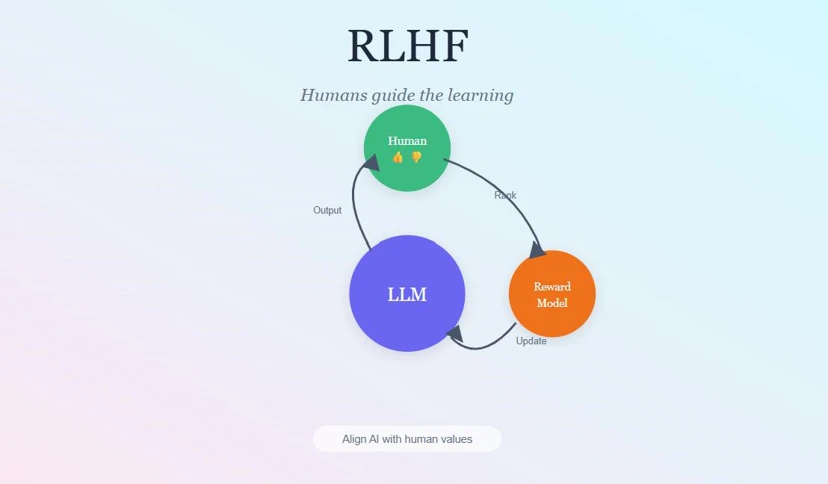
Reinforcement Learning with Human Feedback (RLHF) is one of the most important innovations behind today’s advanced AI models. It represents a shift from purely data-driven learning toward aligning AI behavior with human expectations.
Initially, a model is trained on massive datasets to learn language patterns. However, this alone does not ensure quality or appropriateness. The model may generate fluent but incorrect or irrelevant responses.
This is where human evaluators step in. They review multiple outputs, rank them based on quality, and provide feedback. This feedback is then used to train a reward model, which guides the AI through reinforcement learning to produce better responses over time.
The result is a system that not only understands language but also behaves in a way that feels natural, helpful, and aligned with human values. Organizations like Pishgaman Lotus leverage RLHF to build reliable AI systems for real-world applications.
Hallucination in LLMs: When AI Gets It Wrong
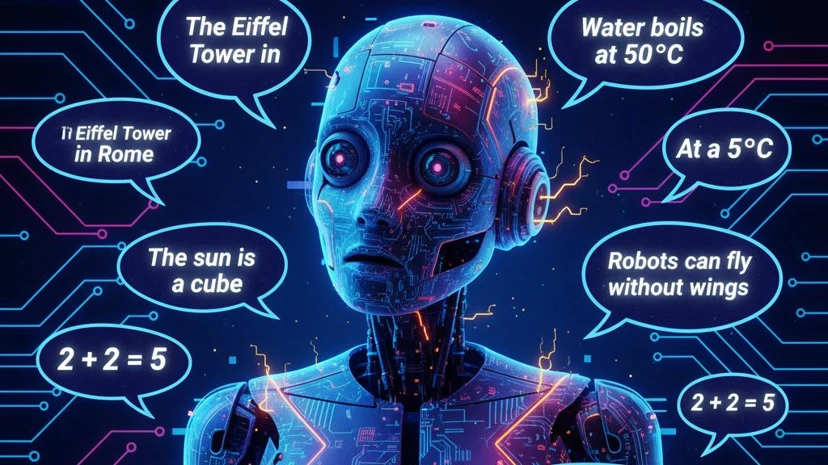
Despite their capabilities, LLMs suffer from a critical issue known as hallucination. This occurs when a model generates information that appears accurate but is incorrect or fabricated.
For instance, an AI might cite a non-existent research paper or confidently provide false details. The danger lies in the model’s confidence, which makes these errors harder to detect.
Several strategies have been developed to mitigate hallucinations. RLHF plays a key role by reinforcing correct behavior. Another powerful approach is Retrieval-Augmented Generation (RAG), where models access real-time, verified data sources instead of relying solely on internal knowledge.
Additionally, fine-tuning with high-quality datasets, better prompt design, and automated fact-checking systems all contribute to improving reliability. Companies like Pishgaman Lotus often combine these methods to ensure trustworthy AI outputs.
Multimodal AI: Beyond Text
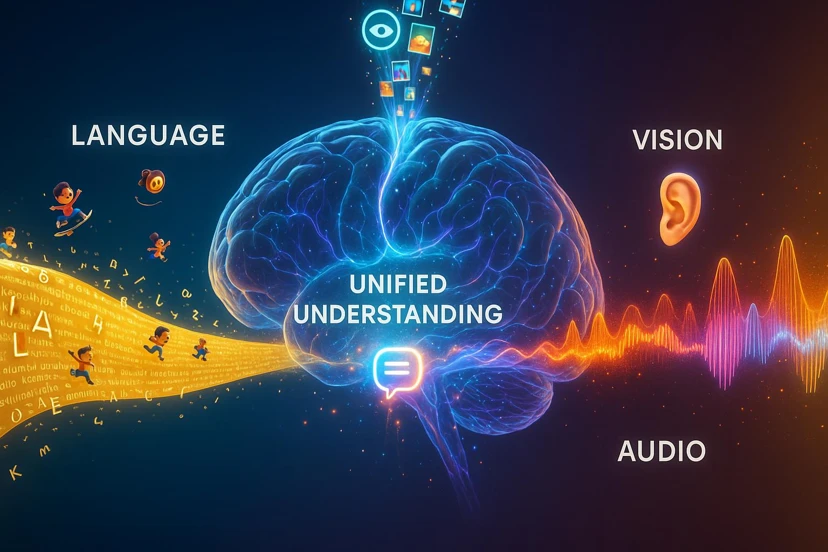
While traditional AI models focus on text, Multimodal AI represents the next evolution—systems that can understand and process multiple types of data simultaneously, including text, images, audio, and video.
This means an AI can analyze an image, describe it, interpret related speech, and generate a unified response. Such capabilities bring machines closer to how humans perceive the world.
Applications are vast. In healthcare, AI can analyze medical images and generate reports. In digital assistants, systems can understand both voice and visual input. In content creation, multimodal tools enable entirely new creative workflows.
The future of AI is undeniably multimodal, and companies like Pishgaman Lotus are well-positioned to innovate in this space.
LLaMA vs PaLM: Two Philosophies of AI Development
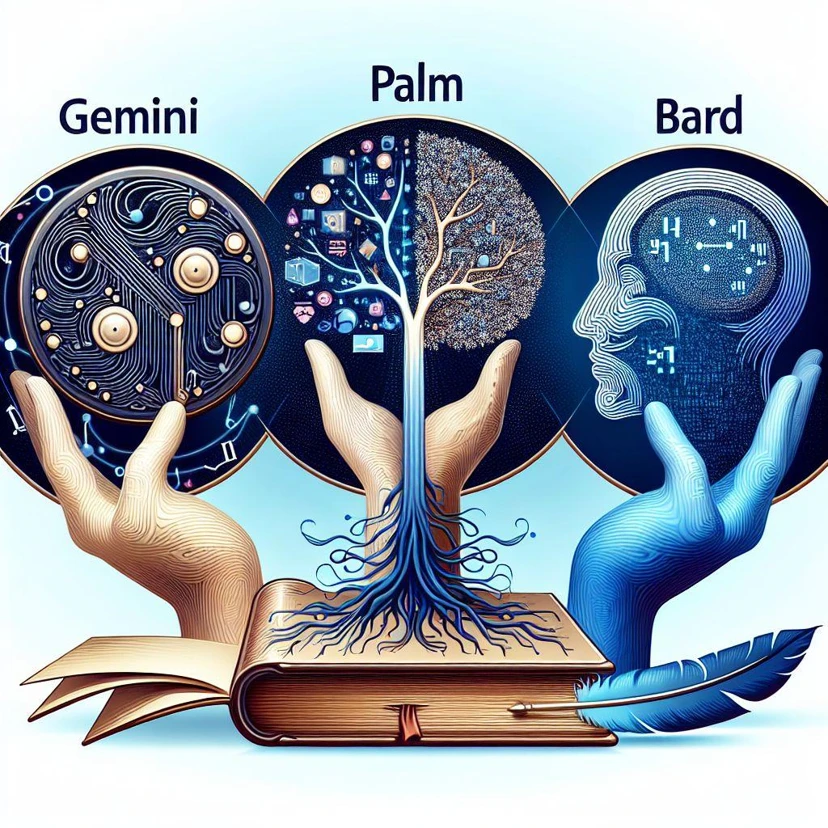
The competition among tech giants has led to the development of powerful LLMs like LLaMA (by Meta) and PaLM (by Google). Each represents a different philosophy in AI design.
LLaMA focuses on efficiency and accessibility. It is relatively lightweight and can run on smaller hardware, making it ideal for startups, researchers, and organizations seeking flexibility and control.
PaLM, on the other hand, emphasizes scale and performance. Built on massive infrastructure, it delivers exceptional capabilities but requires significant computational resources and is typically used in enterprise or cloud environments.
In simple terms, LLaMA is optimized for adaptability and cost-efficiency, while PaLM is designed for maximum power and scalability. The choice between them depends entirely on the specific needs and constraints of a project.
Conclusion
Large Language Models are more than just a technological advancement—they are the foundation of the next digital era. RLHF demonstrates how machines can align with human values. Hallucination highlights ongoing challenges. Multimodal AI opens the door to richer, more natural interactions. And the competition between models like LLaMA and PaLM showcases the diversity of innovation in this field.
Companies such as Pishgaman Lotus have a unique opportunity to harness these technologies, build intelligent solutions, and compete on a global scale.
Our articles: “What is an LLM and How Does it Work?-A Complete Guide to Large Language Models”
Similar Blogs

AI for Product Managers: From Conceptual Understanding to Product Decision-Making


The Impact of AGI on Jobs: A Massive Threat or a Golden Opportunity?
When Machines Think Like Humans: A Deep Dive into AGI
Have special project to begin?
Contact us if you need a unique website for your special requirements, if you think having a mobile application help you reach your business’s goals or you still do not recognize which product can help you implement your ideas. Lotus Pioneers accompany you to develop your business through consulting and by designing special products.