The Impact of AGI on Jobs: A Massive Threat or a Golden Opportunity?
The Impact of AGI on Jobs

Introduction
We are standing at the edge of one of the most significant transformations in human history, a shift that has the potential to redefine the very concept of work. The rise of Artificial General Intelligence (AGI) is not just another technological advancement; it is a turning point that blurs the line between human capability and machine intelligence.
Unlike previous generations of AI, which were limited to specific tasks, AGI has the ability to think, learn, and make decisions across a wide range of domains—much like a human. This means that many roles currently performed by people could, in the near future, be handled by systems that are faster, more efficient, and more cost-effective.
But does this transformation signal the end of job opportunities? Or does it mark the beginning of a new era—one where humans and intelligent machines collaborate to unlock unprecedented levels of productivity and creativity?
In this article, we take a deep and realistic look at the impact of AGI on the job market—from roles at risk of disappearance to the new opportunities emerging for individuals and forward-thinking organizations like Pishgaman Lotus.

What is AGI and Why Does It Matter?
Unlike today’s narrow AI systems (like chatbots or recommendation engines), AGI is not limited to a single task. It can:
Solve complex problems
Learn without constant reprogramming
Make human-like decisions
Operate across industries (healthcare, engineering, business, art)
This makes its impact on the workforce significantly deeper than any previous technological revolution.

The Overall Impact of AGI on Jobs
AGI brings three major shifts:
1. Job Elimination (Automation)
Repetitive and predictable tasks will be automated rapidly.
2. Job Transformation
Many roles won’t disappear—but they will fundamentally change.
3. Creation of New Jobs
Entirely new roles will emerge that don’t exist today.
Companies like Pishgaman Lotus that embrace digital transformation early will be best positioned to benefit from these changes.
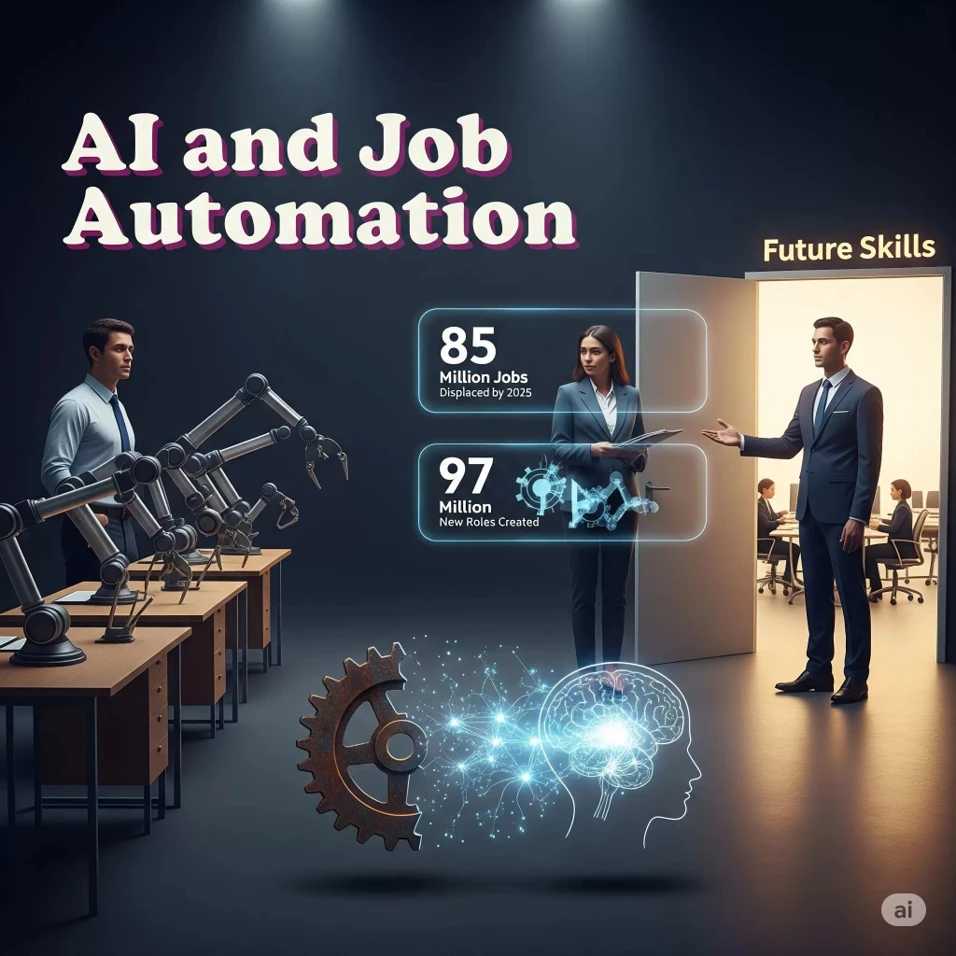
Which Jobs Are Most Likely to Disappear?
1. Repetitive Office Jobs
Examples:
Data entry, Basic accounting, Simple customer support, Call center operators
Why?
These roles follow clear rules and patterns, making them easy for AGI to perform faster and more accurately.
2. Standardized Service Jobs
Examples:
Cashiers, Receptionists (basic roles), Fast-food workers, Retail assistants
Insight:
Automation systems are already reducing the need for human labor in these areas.
3. Some Knowledge-Based Jobs (A Big Shift!)
Examples:
Entry-level programmers, Basic legal analysis, Initial medical diagnostics, General content creation
Important Note:
Even “intellectual” jobs are no longer fully safe.

Which Jobs Will Survive (or Grow)?
1. Creative and Strategic Roles
Creative direction, Product innovation, Business strategy
These require originality—something AGI still struggles to fully replicate.
2. Human-Centered Jobs
Psychology, Teaching, Leadership, Healthcare (human interaction roles)
AGI can assist—but not replace genuine human connection.
3. AI-Related Jobs
AI engineering, AI system management, AI ethics and governance
Organizations like Pishgaman Lotus can play a key role in building and leading these future-focused industries.

The Future of Work: Humans + AGI
The future model looks like this:
Past: Humans worked alone
Present: Humans + tools
Future: Humans + AGI as collaborators
That means:
AGI handles repetitive tasks
Humans focus on creativity and decision-making
Skills You Must Learn
To stay relevant in the AGI era: In a world rapidly shaped by AGI, survival in the job market is no longer about degrees or years of experience—it’s about the skills you have and how fast you can learn.
If you want not just to survive but to thrive in this new era, you need to invest in the right capabilities.
Essential Skills (Future-Proof Skills)
These are the skills that will become even more valuable in the age of AGI:
Critical Thinking
The ability to analyze information, distinguish truth from noise, and make sound decisions.
AGI can generate insights—but you decide what’s right.
Complex Problem Solving
Real-world problems are rarely simple.
Those who can navigate ambiguity and solve multi-layered challenges will stand out.
Creativity
Original thinking, innovation, and unique perspectives are still hard to automate.
Creative individuals will always stay ahead.
Learning Agility
In the AGI era, what you know matters less than how quickly you can learn new things.
AI Literacy
Understanding how to use AI tools, write effective prompts, evaluate outputs, and collaborate with AI systems.
Soon, this will be as essential as basic computer skills.
Declining Skills
These skills are gradually losing their value:
Repetitive Tasks
Anything predictable and rule-based will eventually be automated.
Memorization Without Understanding
Knowing information without understanding it is no longer a competitive advantage.
Information is everywhere—insight is what matters.
Single-Skill Specialization
Relying on just one narrow skill makes you easier to replace.
The future belongs to adaptable, multi-skilled individuals.

Golden Opportunities in the AGI Era
This transformation is not just a threat—it is also a massive opportunity.
As Artificial General Intelligence (AGI) continues to evolve, those who adapt quickly can unlock new levels of growth, income, and global reach. Here are some of the most important opportunities emerging in this new era:
Building Smart Businesses
AGI enables the creation of highly efficient, AI-powered businesses with lower costs and higher scalability.
From automated services to intelligent platforms, entrepreneurs can now build faster and compete globally from day one.
Increasing Personal Productivity
With AI tools handling repetitive and time-consuming tasks, individuals can focus on high-value work.
This means achieving more in less time—whether you're a freelancer, employee, or business owner.
Globalizing Job Opportunities
AGI breaks geographical barriers.
People can now work remotely, collaborate internationally, and access global markets without needing to relocate.
Working Less, Earning More (If You Adapt)
Those who learn how to leverage AGI effectively can significantly increase their income while reducing manual effort.
The key is not working harder—but working smarter with AI.
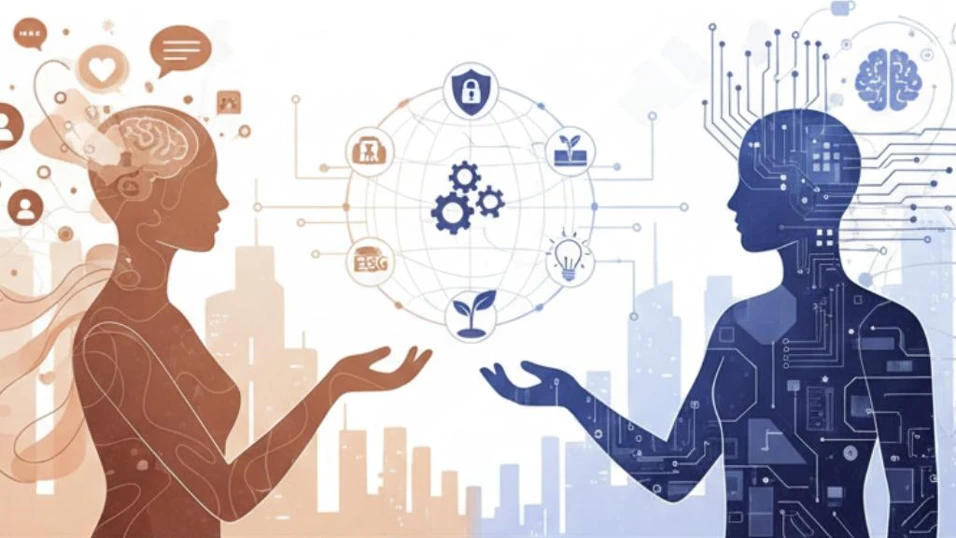
Final Conclusion
AGI is not just another technological advancement—it is a fundamental revolution, one that may have an even deeper impact than the rise of the internet.
Key Takeaways
- Many jobs will disappear—but not all
- Human skills such as creativity, critical thinking, and communication will become more valuable than ever
- Collaborating with AI is far more important than competing against it
- The future belongs to those who learn fast and adapt quickly
A Realistic Perspective
If we look at it honestly, AGI will not “destroy” the job market—it will redefine it.
In this new landscape, the winners will be those who:
- Embrace change
- Continuously upgrade their skills
- Use technology as a lever for growth

Who Will Own the Future?
Forward-thinking businesses like Pishgaman Lotus that understand this transformation early will not only survive—but thrive and lead in the future market.
Ultimately, AGI is not a threat to those who are prepared—it is a powerful opportunity for those who know how to use it.
Our articles: "When Machines Think Like Humans: A Deep Dive into AGI"
Similar Blogs
AI for Product Managers: From Conceptual Understanding to Product Decision-Making

When Machines Think Like Humans: A Deep Dive into AGI

The Future of AI: From RLHF to Multimodal Intelligence & LLaMA vs PaLM
Have special project to begin?
Contact us if you need a unique website for your special requirements, if you think having a mobile application help you reach your business’s goals or you still do not recognize which product can help you implement your ideas. Lotus Pioneers accompany you to develop your business through consulting and by designing special products.