Cybersecurity in the Age of IoT
Cybersecurity in the Age of IoT


Introduction: When the World Around Us Becomes “Alive” and Connected
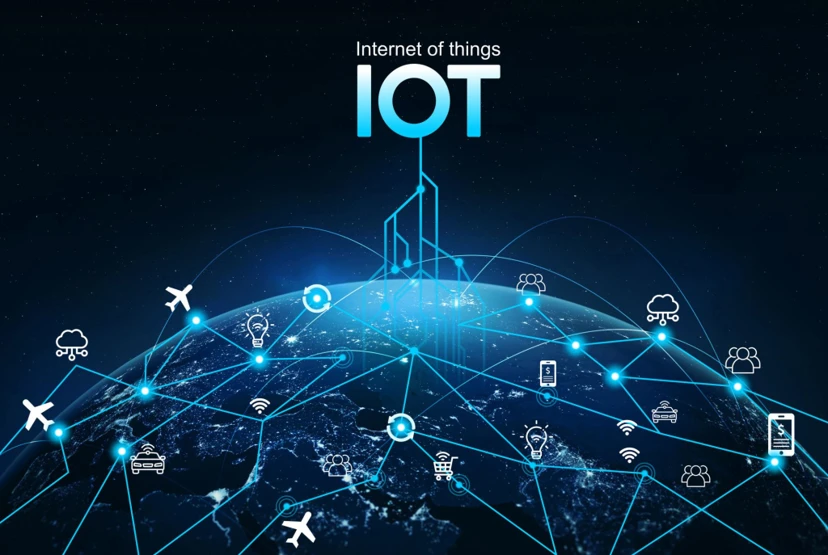
Imagine living in a home that automatically adjusts the temperature, a refrigerator that manages your groceries, a smartwatch that analyzes your health, and a car that decides the best route before you do. This is no longer a science fiction fantasy—it is the reality of the Internet of Things (IoT).
However, as this smart world becomes more fascinating, it also becomes more vulnerable. Every connected device is like a new “door” into the network. If these doors are not properly secured, cyber attackers can easily gain access.
In this landscape, companies like Pishgaman Lotus strive to make this connected world safer by providing professional security solutions.
Comprehensive Overview of IoT Security Risks
Weak Authentication and Access Management
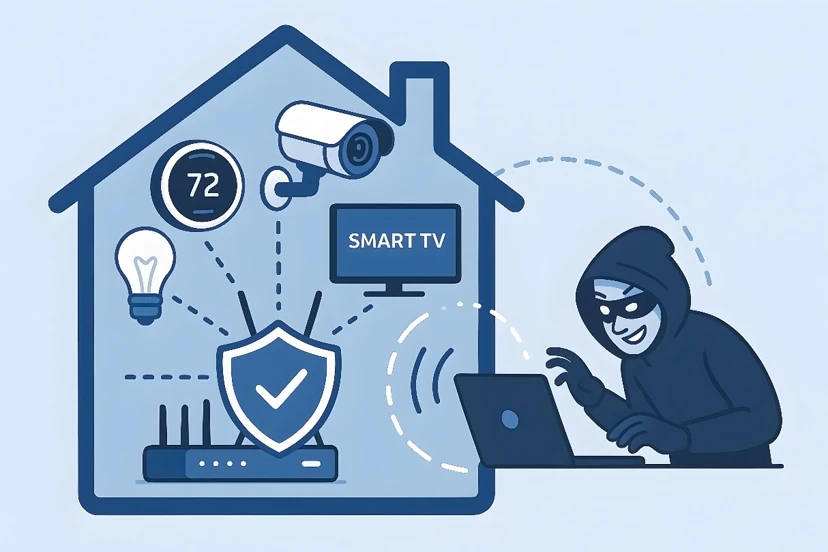
Many IoT devices are shipped with default usernames and passwords, and users often fail to change them. This allows hackers to easily access devices using lists of common credentials.
In some cases, systems lack strong authentication mechanisms altogether, or access levels are not properly defined.
Privacy Breaches and Data Theft
IoT devices continuously collect data—from location information to daily user habits. If this data is not encrypted or if servers are insecure, attackers can gain access to sensitive information.
This can lead to identity theft, blackmail, or even unauthorized surveillance.
Botnet and DDoS Attacks
One of the most dangerous scenarios is when your device becomes part of a malicious network without your knowledge.
In the well-known Mirai attack, thousands of IoT devices were infected and used to shut down servers.
This means even a simple camera can play a role in a global cyberattack.
Lack of Updates and Security Support
Some manufacturers stop providing security updates after selling their devices. This leaves discovered vulnerabilities permanently unpatched.
Over time, these devices become easier targets for attackers.
Unencrypted Communication
If data is transmitted without encryption, attackers can intercept it (Man-in-the-Middle attacks).
This issue is especially dangerous when using public Wi-Fi networks.
Misconfiguration
Many users—and even organizations—fail to properly configure device security settings.
Open ports, unnecessary active services, and default configurations can all become serious vulnerabilities.
Core Challenges in IoT Security
IoT security is not just about threats—it also involves structural challenges:
Device Diversity
IoT includes everything from tiny sensors to industrial machines. Each has its own operating system, protocol, and architecture. This diversity makes unified security implementation very difficult.
Hardware Resource Limitations
Many IoT devices have limited processing power and memory, making it difficult to implement strong encryption algorithms.
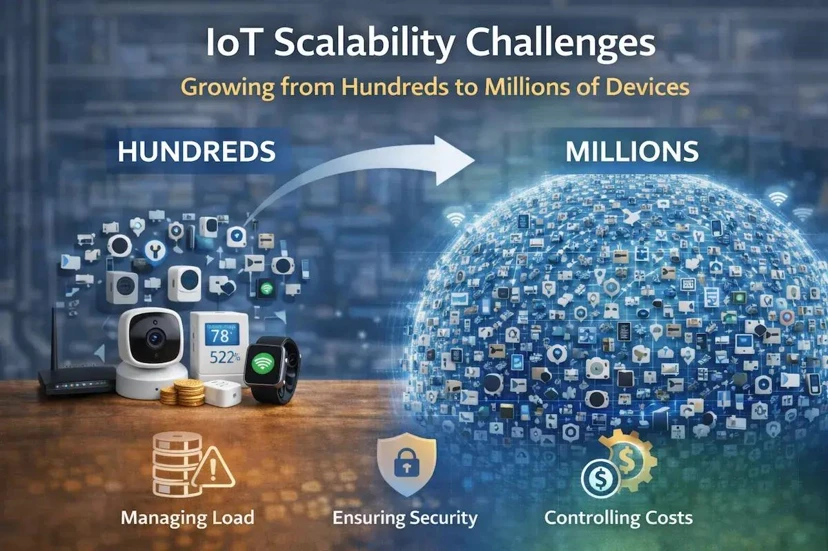
Scalability
When the number of devices reaches thousands or even millions, managing their security becomes highly complex.
Monitoring, updating, and controlling such a large ecosystem is a major challenge.
Lack of Global Standards
There is still no fully unified global standard for IoT security.
As a result, manufacturers implement their own approaches, leading to inconsistencies and vulnerabilities.
Dependence on Network and Internet
If the network is disrupted or attacked, the entire IoT system may fail.
Here, companies like Pishgaman Lotus play a crucial role by designing secure, standardized architectures that minimize these challenges.
Comprehensive Solutions for Enhancing IoT Security
End-to-End Data Encryption
Using secure protocols like TLS to protect data during transmission and storage.
Strong and Multi-Factor Authentication
Implementing MFA and proper device identity management to prevent unauthorized access.
Patch Management
Regularly updating firmware and software to fix vulnerabilities.
Network Segmentation
Separating IoT devices into isolated networks to prevent widespread damage in case of an attack.
Firewalls and Intrusion Detection Systems
Continuously monitoring network traffic and identifying suspicious behavior.
Principle of Least Privilege
Ensuring each device only has access to the resources it truly needs.
Penetration Testing and Security Assessment
Regularly evaluating systems to identify weaknesses before attackers do.
AI-Driven Security
Using artificial intelligence to analyze device behavior and detect threats intelligently.
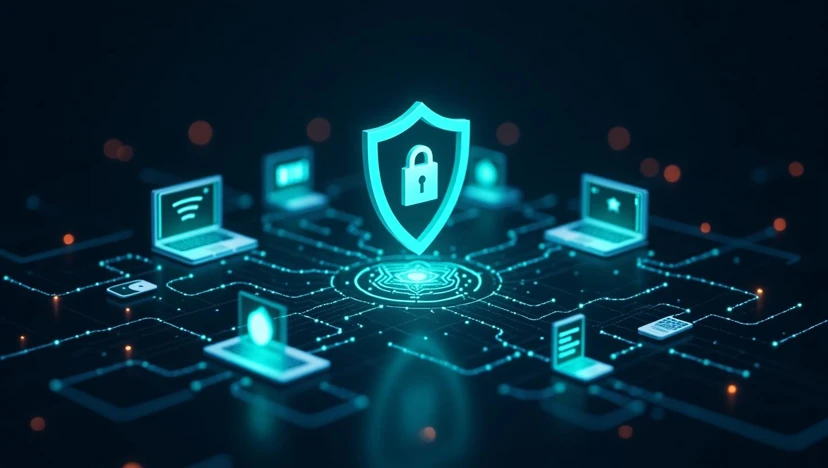
Pishgaman Lotus provides these solutions through professional services, helping organizations elevate their IoT security to a higher level.
The Role of Users and Organizations (Shared Responsibility)
Security is not just a technological issue—it is a shared responsibility:
Users
Users should change default passwords, keep devices updated, and purchase products from trusted brands.
They should also improve their awareness of cybersecurity.
Organizations
Organizations must establish clear security policies, train employees, and continuously monitor their infrastructure.
Collaborating with companies like Pishgaman Lotus can help them implement professional security measures.

Conclusion: A Future That Must Be Both Smart and Secure
The Internet of Things is here to make our lives easier, faster, and smarter. But if we ignore security, this same technology can become a major threat.
Cybersecurity in IoT is not optional—it is a critical necessity.
If we don’t act today, tomorrow may be too late.
The good news is:
With awareness, the right solutions, and support from experts like Pishgaman Lotus, we can build a future where technology not only improves our lives but also protects them.
A connected world is truly beautiful—only when it is secure.


Have special project to begin?
Contact us if you need a unique website for your special requirements, if you think having a mobile application help you reach your business’s goals or you still do not recognize which product can help you implement your ideas. Lotus Pioneers accompany you to develop your business through consulting and by designing special products.