AI-Ready Web Design: When Your Website User Isn’t Human!
AI-Ready Web Design
Introduction: The Internet Has a New Type of User
For years, websites have been designed primarily around human behavior. Designers focused on how people view pages, click buttons, navigate menus, and reach the information they need. But with the growth of artificial intelligence, AI-powered search, intelligent assistants, and AI agents, a new type of user is entering the web: the artificial intelligence agent.
Today, an AI agent may visit a website on behalf of a person, review product information, compare prices, analyze content, complete forms, or even participate in parts of a purchasing and decision-making process. This shift is pushing web design into a new stage—one in which websites must be prepared not only for human users, but also for understanding, analysis, and interaction by AI systems.
At Pishgaman Lotus, looking at the future of web development can go beyond creating visually attractive interfaces. Next-generation websites may need to communicate effectively with intelligent systems, AI agents, and advanced digital tools as well.
How Does AI See a Website?
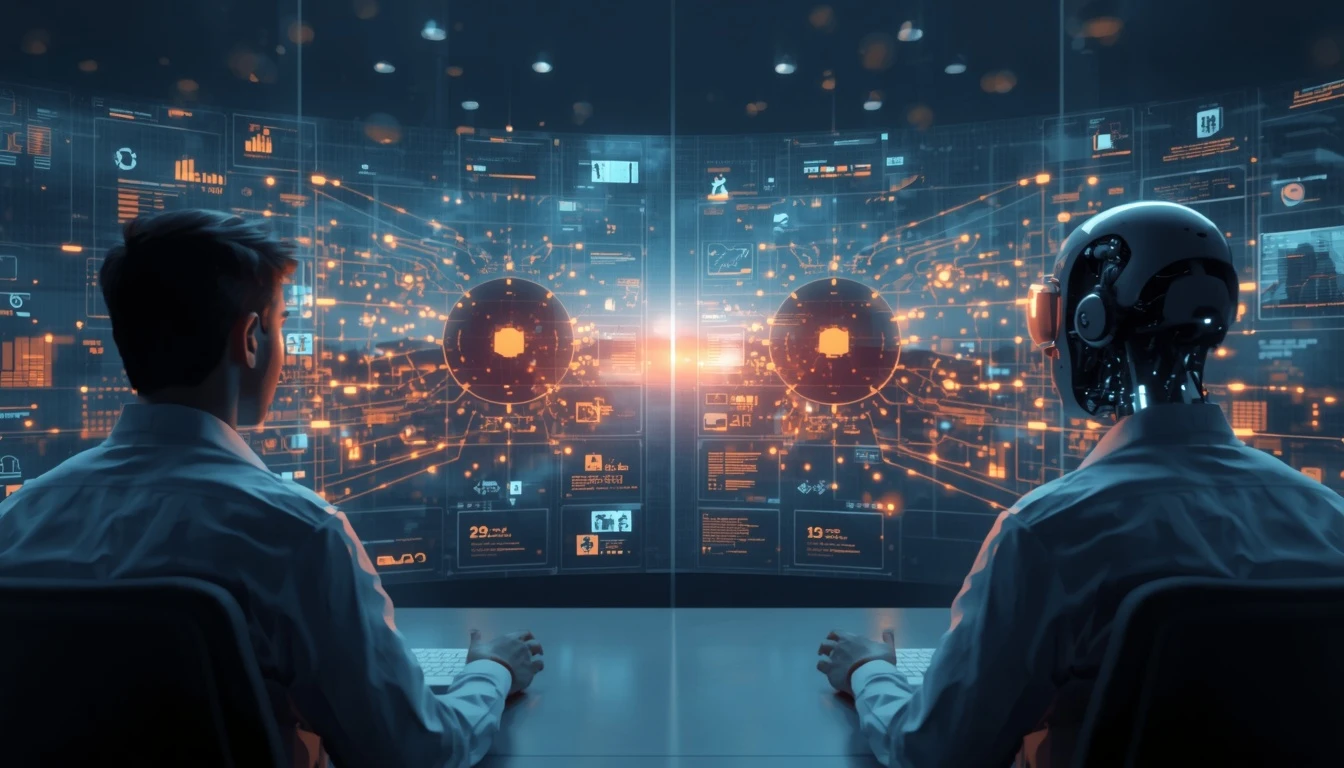
Humans usually explore websites visually. Colors, images, buttons, menus, and the placement of elements all influence their experience. Artificial intelligence, however, does not necessarily interpret a website in the same way. AI systems attempt to understand structure, meaning, relationships between pieces of information, and the usability of available data.
For example, a product page may look visually appealing but still be difficult for an intelligent system to use if its price, specifications, availability, and features are not clearly structured. This means that the future of web design will not depend on visual appearance alone. The structure of information and the machine-understandability of content will become increasingly important.
In the future, a successful website may need to answer two key questions: Can a human use this website easily? And can an intelligent system understand its information and capabilities correctly?
From Human-Centered Design to Agent-Centered Design
Human-centered design remains one of the most important principles of product design. Human users still need to interact with websites and software with minimal complexity. However, the rise of AI agents introduces another layer to this approach: Agent-Centered Design.
In this model, designers and developers consider how an intelligent agent will interact with a system. Can the agent find the information it needs? Is the path for completing a task clear? Is the data structured and processable? Are the website's capabilities available through APIs or other standardized methods?
This does not mean replacing human-centered design. Instead, it means designing for a dual ecosystem. A website should provide a simple and engaging experience for people while also offering an understandable infrastructure for intelligent systems. This approach may become one of the most important future directions in product design and web development.
Structured Data: A Common Language for Websites and AI
One of the most important elements of AI-ready web design is data structure. Artificial intelligence can analyze website information more effectively when data has clear meaning, relationships, and organization.
For instance, identifying whether a number represents a product price, whether a text describes a product, or whether an element indicates availability can significantly improve how a machine understands content. The more organized, transparent, and structured the information is, the more easily it can be used by different systems.
This is not important only for AI agents. Search engines, recommendation systems, chatbots, and information retrieval tools can also benefit from better data structures. Modern web development should therefore treat interface design, information architecture, and data structure as parts of one connected system.
APIs: The Gateways Through Which Agents Access Websites
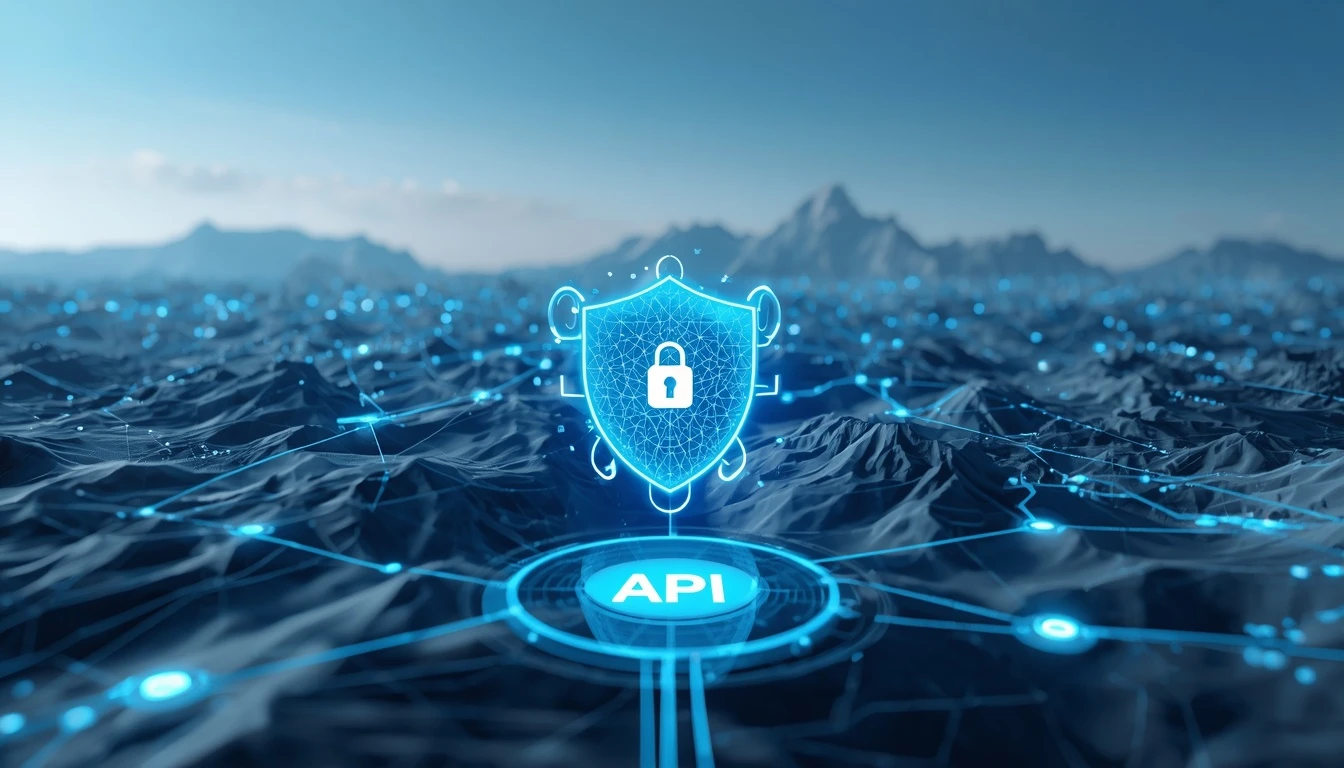
In many next-generation websites, interaction will not happen only through clicking buttons. AI agents may connect to APIs to retrieve information or perform specific actions programmatically.
For example, an agent may check product availability, retrieve service information, track the status of a request, or collect data required for decision-making. In this environment, APIs are no longer simply technical tools for developers; they may become part of the future interaction model of digital products.
For complex projects, Pishgaman Lotus can combine web development, enterprise software development, and artificial intelligence solutions to help build infrastructures that support interaction not only for human users but also for intelligent systems.
When AI Searches and Makes Decisions on the Web
With the growth of Agentic AI, many tasks currently performed manually by users may be delegated to intelligent agents. Imagine asking an AI assistant to find a product, compare its features and prices, and recommend the best option. In this situation, the agent may interact directly with multiple websites and digital services.
This transformation could change how people use the internet. In many processes, users may no longer personally review dozens of pages. Parts of searching, analyzing, and comparing information could be handled by AI. As a result, websites will need to consider how their information and services can be prepared for these new forms of interaction.
Future digital competition may not be focused only on attracting clicks. Part of the competition could involve how prepared a website is to be discovered, understood, and used by intelligent agents.
UX for Humans and AI Must Be Designed Together
One possible mistake in the future would be treating AI-oriented design as completely separate from human user experience. The most successful systems may instead be those that address both needs at the same time.
Humans need interfaces that are simple, fast, trustworthy, and engaging. AI systems need accurate information, clear structures, controlled access, and well-defined interaction capabilities. Successful design must create a balance between these two worlds.
For example, effective information architecture can help human users find content more quickly while also enabling intelligent systems to better understand relationships between data. This is where UI/UX design, web development, and artificial intelligence move closer together.
Technology teams such as Pishgaman Lotus can approach product design as more than a visual discipline and extend it into information architecture, technology, user behavior, and the future of AI interaction.
Security: When an Intelligent Agent Has Access to Your Website
As AI agents gain more capabilities to perform actions on the web, security becomes increasingly important. There is a major difference between a system that only views public information and an agent that can place an order, retrieve account-related information, or perform actions on behalf of a user.
AI-ready websites therefore need to make careful decisions about access levels, authentication, authorization, and action control. An agent should not receive unlimited access simply because it is an intelligent system.
Security should be considered from the beginning of product architecture and system development. API protection, proper authentication, access restrictions, permission management, and activity monitoring can all play important roles in building a trustworthy ecosystem.
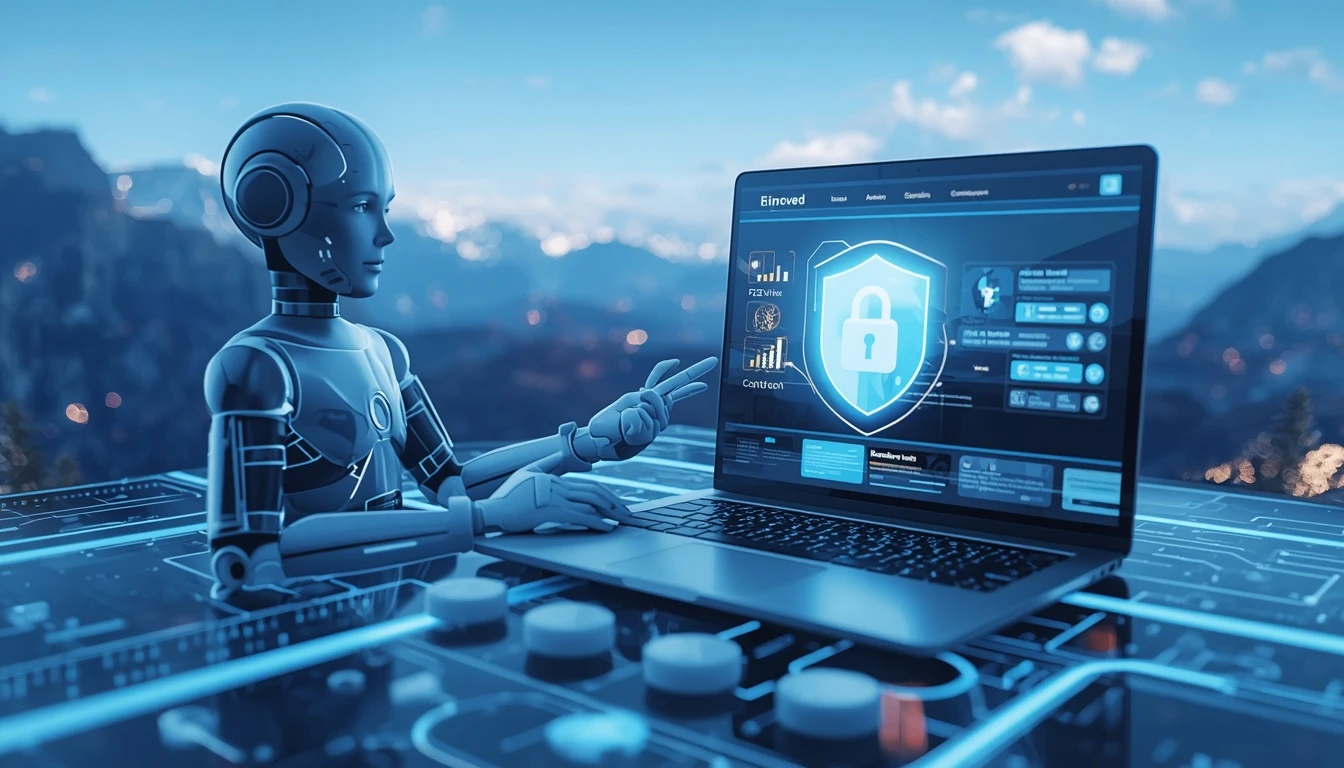
The Future of the Web: Websites That Collaborate, Not Just Display
The future web may move beyond collections of static pages. Websites can evolve into systems that provide data, process requests, interact with AI agents, and operate as part of larger intelligent ecosystems.
In this future, web design will no longer ask only, “How does a user enter the website?” A more important question may be: “What types of entities will interact with this website, and how can each of them access its services?”
Humans, search engines, chatbots, AI agents, and automated systems may all become potential users of a digital service. Businesses that prepare for this transformation today may be better positioned to build the next generation of digital products.
Conclusion: Design for a Future Where the User Is Not Always Human
The arrival of AI agents on the web could become one of the most important transformations in the future of web development. Websites will still need to be fast, attractive, and easy for people to use. At the same time, they will increasingly need to present their information and services in structured, understandable, and usable ways for intelligent systems.
Designing websites for AI does not mean replacing humans. It means preparing for a world in which humans and intelligent agents use digital services alongside each other. Data structure, APIs, information architecture, UI/UX, and security will all play important roles in this transformation.
For Pishgaman Lotus, this topic represents an important intersection between complex website development, UI/UX product design, and artificial intelligence solutions. The future web may not simply be a web that humans can see—it may be a web that artificial intelligence can understand, interact with, and use as well.
Our articles:"Generative UI; The User Interface That Builds Itself"
Similar Blogs

AI Voice Deepfakes — How to Detect Audio Fraud and Prevent Voice Cloning Scams

AGI-Powered Intelligent Agents: The Future of Automation and Autonomous Decision-Making

AI Voice Cloning: Business Opportunities and Security Threats
Have special project to begin?
Contact us if you need a unique website for your special requirements, if you think having a mobile application help you reach your business’s goals or you still do not recognize which product can help you implement your ideas. Lotus Pioneers accompany you to develop your business through consulting and by designing special products.