AI-Powered UX: Real-Time Personalization of User Experience
AI-Powered UX
Introduction
Until recently, user experience design was largely based on the idea that one interface should serve a large group of users. Designers relied on personas, user research, usability testing, and analytics to create the best possible experience. However, once a product was launched, its core interface generally remained the same for everyone.
Artificial intelligence is now changing this model.
With AI-Powered UX, the interface is no longer just a static environment for completing tasks. It can analyze user behavior, context, interaction history, and potential intent, and use this information to dynamically adapt the experience.
As a result, two users entering the same website may experience two different interfaces because their needs, familiarity, and goals may not be the same.
This shift is transforming UX from a static design discipline into a dynamic and intelligent experience model. It also creates new opportunities for companies such as Pishgaman Lotus to combine UI/UX design, software development, and artificial intelligence.

What Is AI-Powered UX?
AI-Powered UX refers to the use of artificial intelligence to create intelligent, adaptive, and personalized user experiences.
In this model, AI does not simply analyze data in the background. It can directly influence how information is displayed, how elements are prioritized, which actions are recommended, and how users move through a product.
For example, imagine a user who has repeatedly accessed a specific feature inside a management dashboard. The system can recognize this behavior and prioritize that feature while moving less frequently used options into secondary areas.
A first-time user, on the other hand, may receive a simpler interface with more guidance.
In other words, a static UI can be replaced by an interface that adapts to the user and the situation. Recent research is increasingly examining AI-driven adaptive interfaces as a way to improve personalization, usability, and accessibility.
How Does Real-Time Personalization Work?
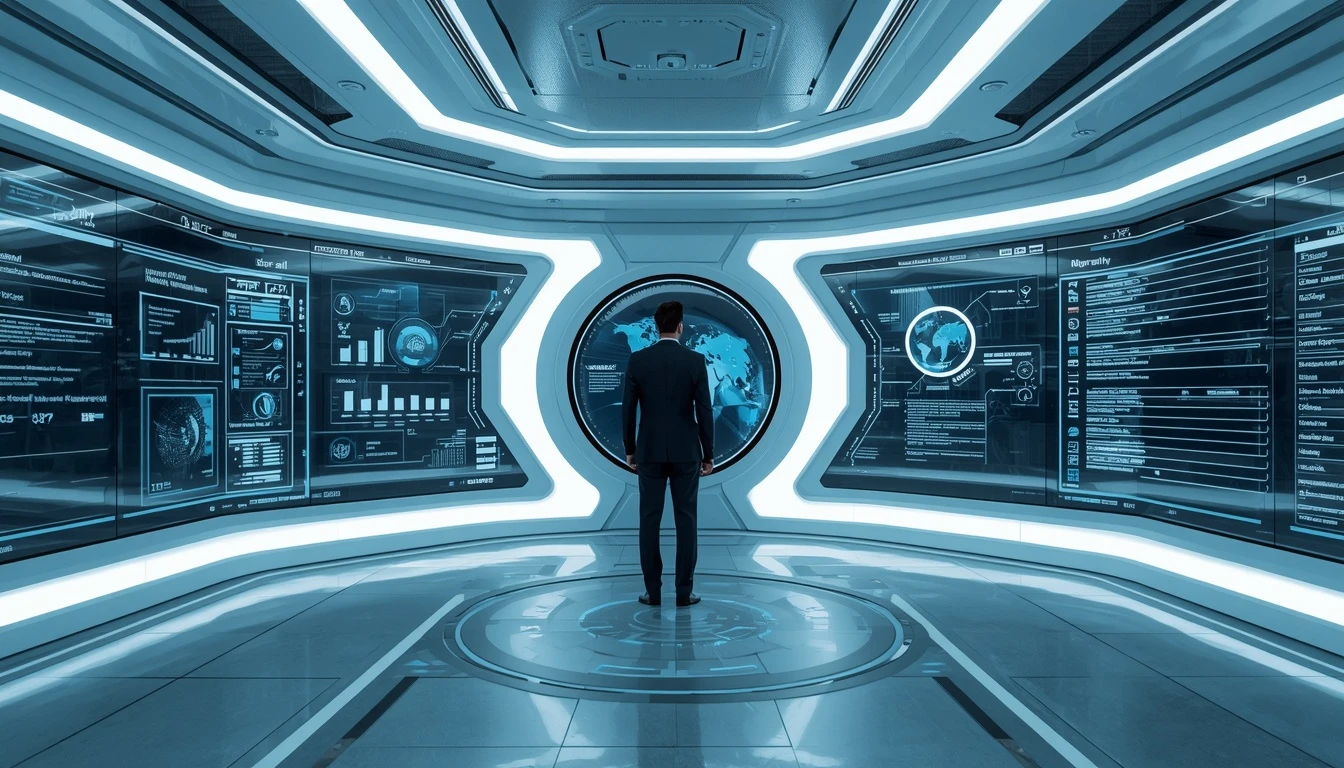
For an interface to personalize itself in real time, the system needs to process different interaction signals.
These signals may include clicks, viewed pages, time spent on specific sections, navigation paths, searches, device type, interaction history, and behavioral changes within the current session.
AI can analyze these signals to understand what the user is doing and what information or action is likely to be most relevant.
For example, if a user repeatedly searches for a specific feature or repeats several steps in a process, the system can make that feature more visible during the next interaction.
More advanced systems can personalize experiences without requiring users to manually configure their preferences. Instead, the system learns from interaction patterns. Recent research has explored behavior-aware personalization using signals such as repeated actions, skipped content, and listening or interaction duration.
What Parts of UX Can AI Change?
Personalization in AI-Powered UX is not limited to showing different recommendations.
Almost every layer of the user experience can potentially adapt.
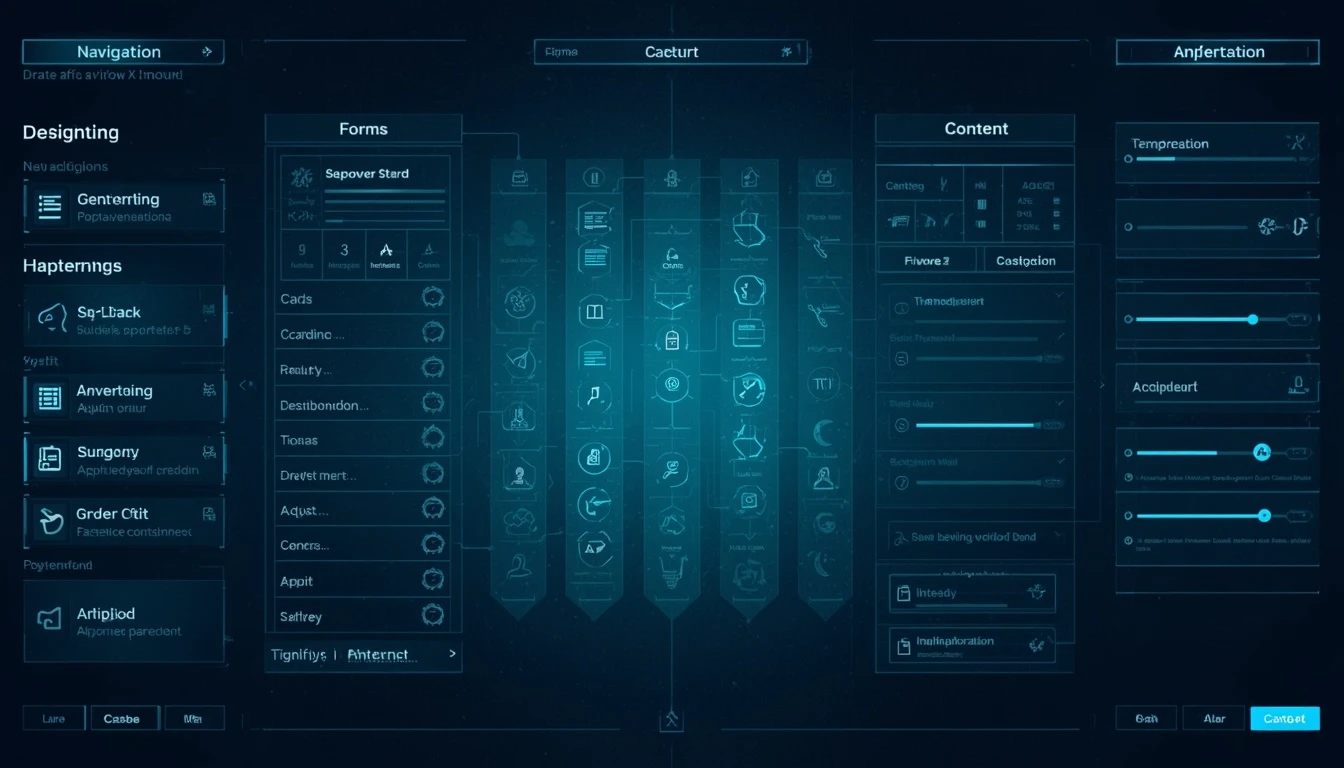
One major area is content prioritization. The system can place the information most relevant to each user at the top of the experience.
Another area is navigation. If the system detects that a user repeatedly follows a specific path, it can make that route shorter and easier to access.
CTAs, forms, and multi-step processes can also become adaptive. An experienced user might receive a shorter form, while a first-time user could receive additional guidance.
Even content complexity, information density, and accessibility settings can be adjusted according to user needs. Recent research has explored dynamically adapting factors such as interaction speed, verbosity, and language complexity to create more accessible experiences.
Traditional UX vs. AI-Powered UX
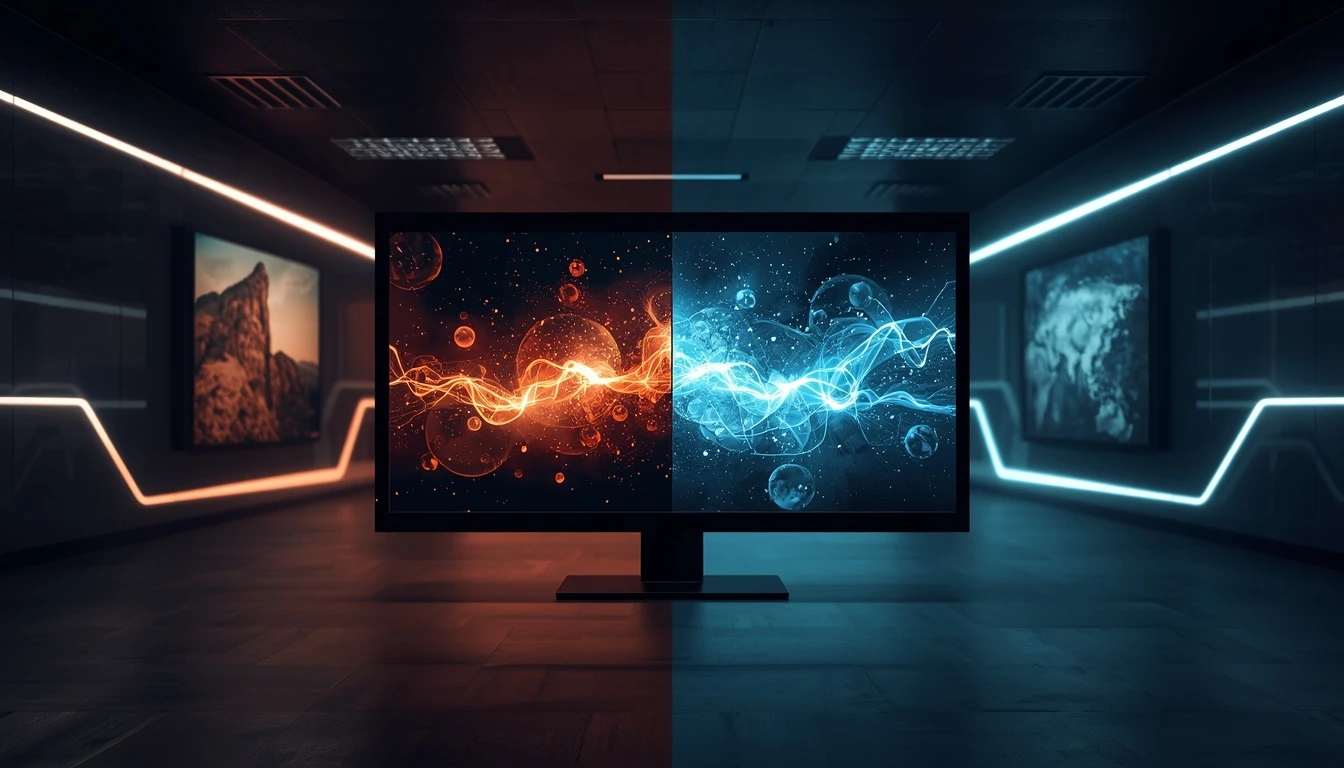
Traditional UX attempts to create an experience that works well for a broad range of users. Designers define personas and user segments and then build specific experiences for those groups.
AI-Powered UX can go one step further.
Instead of relying only on a predefined persona, the system can use real behavioral signals and current context to determine what the user needs at that particular moment.
For example, the same user may prioritize speed in one session and detailed information in another. An adaptive UX system can reflect this difference in the interface.
This is why AI-Native UX is increasingly moving away from the concept of “one interface for everyone” toward experiences that are dynamically shaped by intent, context, and data.
AI as a Predictor of User Needs
One of the most interesting capabilities of AI-Powered UX is the transition from reaction to prediction.
In a traditional system, the user makes a request and the system responds.
An intelligent experience can instead analyze context and predict what the user may need next.
Imagine a user creating a new project. Based on the current activity, the system could surface relevant templates, tools, previous project information, or the next steps at the appropriate moment.
This means UX does not simply respond to users. It can become a predictive layer that anticipates potential needs.
Recent AI-Native UX discussions similarly emphasize using context to surface relevant information before users explicitly search for it.
Business Benefits of AI-Powered UX
The primary advantage of personalized UX is that the digital experience can become more aligned with the actual needs of each user.
When relevant information, shorter paths, and important actions are easier to access, interaction friction can decrease.
This can potentially improve metrics such as task completion, engagement, retention, and conversion, although the actual impact depends on the product, data quality, implementation, and user context.
AI can also help product teams build more adaptable systems instead of designing a large number of rigid user flows.
As a result, AI-Powered UX is not simply a visual feature. It can become part of a broader product and digital transformation strategy.
Challenges of AI-Powered UX
Despite its potential, AI should not be allowed to make every UX decision without constraints.
One of the biggest challenges is privacy.
If a system analyzes user behavior to personalize the experience, organizations need to understand what data is collected, why it is collected, and how it is used.
Another challenge is transparency. Users should not feel that the interface is behaving differently for unexplained reasons. In some systems, providing a simple explanation for a recommendation or interface change can improve trust.
Bias is another important concern. If an AI model is trained on inappropriate or unbalanced data, it may create experiences that work better for certain groups while performing poorly for others.
Therefore, successful AI-Powered UX needs to be intelligent, explainable, controllable, and human-centered. Recent research also highlights transparency, privacy, user control, and inclusive design as important considerations for adaptive interfaces.
How to Implement AI-Powered UX
The implementation process should not start with the technology. It should start with the user problem.
First, teams need to understand user behavior, friction points, and the most important interaction flows.
Next, they should identify where personalization can genuinely improve the experience.
The required data should then be defined, followed by an architecture for collecting and analyzing that data. AI models, recommendation systems, behavioral analytics, LLMs, or decision engines can then be introduced where they provide meaningful value.
Finally, the system should be continuously evaluated.
A/B testing, behavioral analytics, task completion rates, errors, and user feedback can help product teams determine whether personalization is genuinely improving UX or simply adding unnecessary complexity.
The Role of Pishgaman Lotus in Intelligent UX
For organizations seeking to move toward intelligent and personalized digital experiences, combining UI/UX design, software development, and artificial intelligence is essential.
Pishgaman Lotus can combine user research, product design, web development, and AI solutions to create experiences that are not only visually modern but also capable of responding to user behavior and changing needs.
From adaptive dashboards and recommendation systems to intelligent assistants, behavioral analytics, and LLM-powered experiences, AI can become part of the product architecture itself.
The goal is not to delegate everything to AI. The goal is to use AI where it can genuinely make the user experience simpler, faster, and more personalized.
The Future of AI-Powered UX
The future of UX is likely to move toward interfaces that are less like static pages and more like living, adaptive systems.
Such experiences can respond to intent, context, device, behavior, and real-time conditions.
Instead of forcing users to adapt to software, software increasingly adapts itself to users.
As multimodal AI, LLMs, and real-time systems continue to evolve, personalization may move beyond content recommendations and begin to reshape the actual structure of the user experience.
Ultimately, the most successful digital products may not be those with the largest number of features. They may be the products that can show the right capability, at the right moment, to the right user.
Conclusion
AI-Powered UX is becoming an important direction in modern product design because it transforms user experience from a static structure into a dynamic and adaptive system.
AI can analyze behavior, predict potential needs, prioritize information, and dynamically modify parts of the interface.
However, successful implementation depends on more than the AI model itself. Product design, data quality, user research, privacy, transparency, and human control are equally important.
For Pishgaman Lotus, this field represents an opportunity to combine UI/UX design, software development, and artificial intelligence to build smarter, more adaptive, and more user-centered digital products.
Our articles:"AI-Ready Web Design: When Your Website User Isn’t Human!"
Similar Blogs
AI Voice Deepfakes — How to Detect Audio Fraud and Prevent Voice Cloning Scams

AGI-Powered Intelligent Agents: The Future of Automation and Autonomous Decision-Making

AI Voice Cloning: Business Opportunities and Security Threats
Have special project to begin?
Contact us if you need a unique website for your special requirements, if you think having a mobile application help you reach your business’s goals or you still do not recognize which product can help you implement your ideas. Lotus Pioneers accompany you to develop your business through consulting and by designing special products.