The Future of Browsers: Replacing Traditional Search with AI
The Future of Browsers

Introduction
From Searching Links to Receiving Intelligent Answers
For decades, web browsers and search engines have been the primary tools for accessing information online. Users entered a query, received a list of links, and visited multiple pages to find the information they needed. With the advancement of generative AI and large language models, this familiar process is changing. Users can increasingly ask AI assistants direct questions and receive contextual answers without manually reviewing numerous websites.
This transformation goes beyond adding a new feature to a browser. It could reshape how people interact with the internet, shifting the experience from searching for information toward understanding content, comparing sources, and completing digital tasks. Pishgaman Lotus, with its focus on software development, artificial intelligence, and user experience design, can help businesses explore practical solutions built around these emerging capabilities.
How AI-Powered Browsers Are Changing Information Search
Traditional search engines identify and rank web pages based on a user's query. Users then open relevant links, review the content, and draw their own conclusions. Although this approach remains useful, it can become time-consuming when researching complex topics, comparing products, or collecting information from multiple sources.
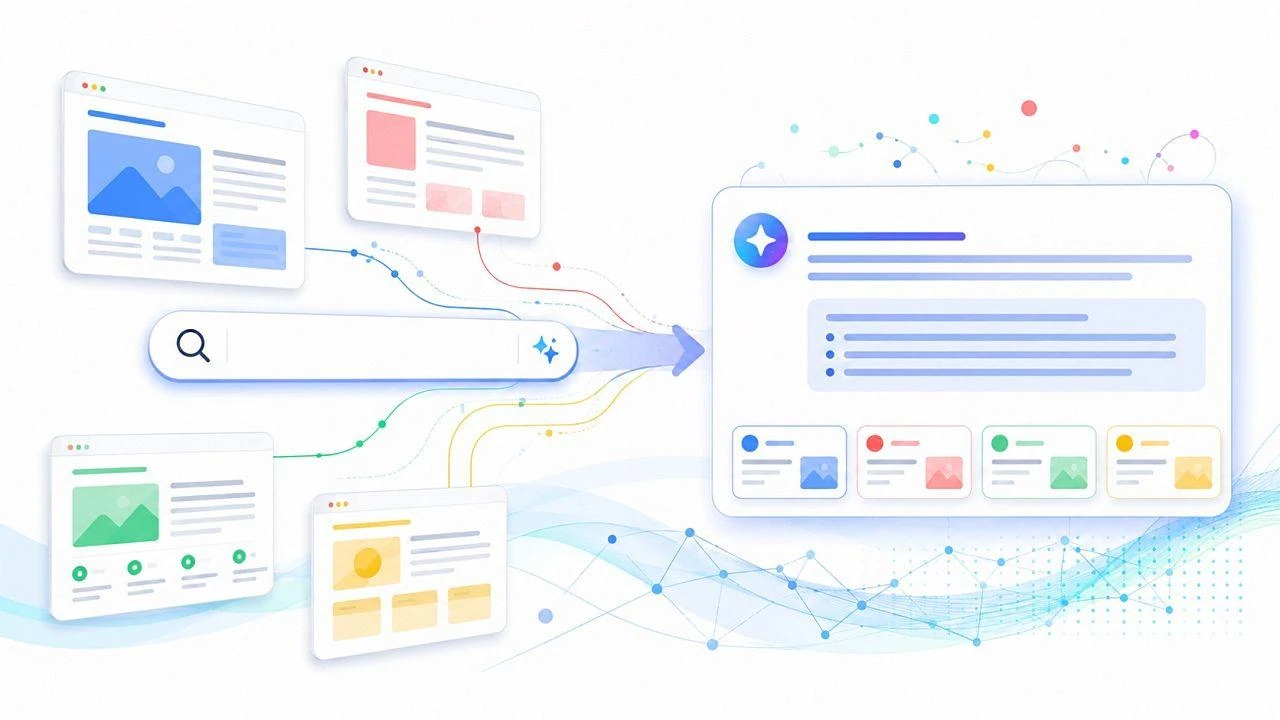
AI-powered browsing tools aim to simplify this process. They can analyze web content, identify key points, and combine information from different sources into a structured response. For example, someone evaluating enterprise software could ask an AI assistant to compare features, limitations, and use cases instead of manually reviewing dozens of product pages.
However, intelligent browsing does not necessarily mean eliminating search engines. Many products combine conventional search results, direct links, and AI-generated answers. Pishgaman Lotus can contribute to this evolving landscape by developing AI-powered solutions that make information retrieval more relevant and efficient.
The Role of Generative AI in the Future of Browsers
Generative AI is one of the key technologies driving browser innovation. It enables systems to generate text, summarize documents, explain complex concepts, and respond to natural-language questions. Within a browser, these capabilities can be connected directly to the pages and documents users are viewing.
For example, a user could open a lengthy report and ask the browser to summarize its findings. They might also request a simplified explanation of technical terminology or a comparison of conclusions from several articles. In these scenarios, the browser becomes more than a window for viewing websites; it becomes a tool for understanding and processing information.
Through intelligent assistants, natural language processing, and content analysis, Pishgaman Lotus can develop solutions for organizations that need faster and more effective access to knowledge.

Agentic Browsers: Moving Beyond Answers
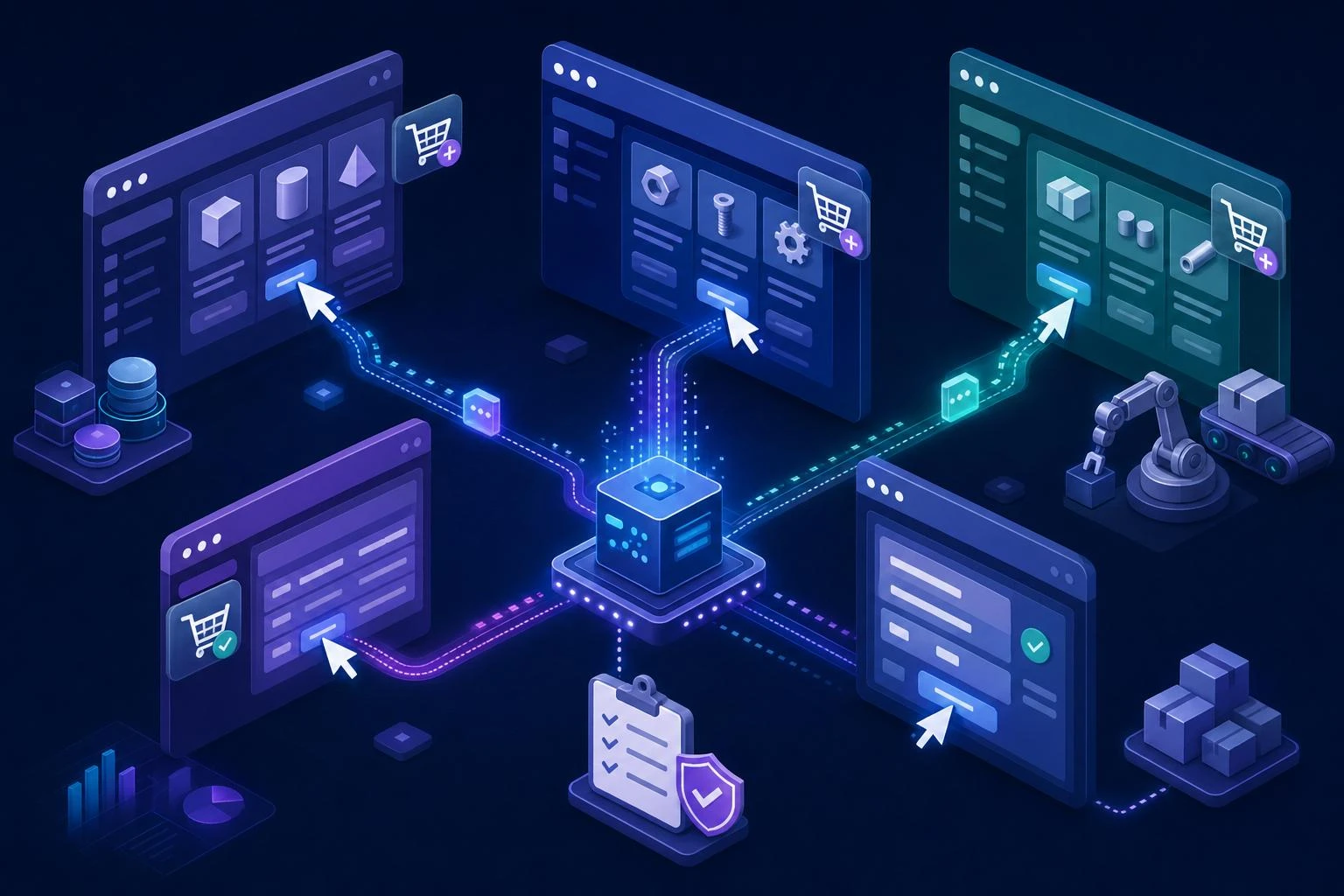
One of the most significant developments in browsing is the shift from conversational assistants toward AI agents. A conventional assistant may explain how to complete a task, while an AI agent can potentially perform multiple steps when it has the appropriate tools and permissions.
For example, a user might ask an agent to compare products across several online stores, review their prices and features, and organize suitable options into a shortlist. More advanced agents may also complete specific forms or manage multistep workflows under user supervision. Sensitive actions, such as making purchases or submitting confidential information, should require appropriate authorization and clear user control.
These capabilities could transform browsing from manually navigating individual pages into managing tasks through natural-language instructions. Pishgaman Lotus can explore this opportunity through AI agent development and business process automation.
Personalizing Search Experiences with Artificial Intelligence
Traditional search may return similar results for two users who enter the same query, even when their knowledge levels and objectives differ. AI-powered browsers can potentially provide more relevant responses by considering the context of a question, the content being viewed, and user preferences that have been explicitly provided or authorized.
For instance, a software developer may need detailed technical documentation, while a business executive may prefer a concise summary of the same subject. An intelligent system can adapt the depth and presentation of its response to these different needs.
Effective personalization requires thoughtful user experience design and responsible data management. Pishgaman Lotus can combine UI/UX design with AI development to create digital experiences that make information easier to understand while keeping interactions simple and user-controlled.

Security, Privacy, and Information Accuracy Challenges
As AI becomes more deeply integrated into browsers, data security, privacy, and answer accuracy become increasingly important. Intelligent browsing systems may process page content, browsing activity, or other information used to personalize responses. Users should be able to understand what data is collected, how it is stored, and how it is used.
AI models can also produce inaccurate or incomplete answers. In addition, malicious instructions embedded in web content may attempt to manipulate an AI agent into taking unintended actions. Effective safeguards include source verification, restricted permissions, confirmation for sensitive operations, and protection of confidential information.
Enterprise AI solutions must combine useful functionality with clear security policies and access controls. Pishgaman Lotus can support organizations in adopting AI more responsibly through enterprise software development, data protection practices, and controlled workflow design.
 How AI Browsers May Affect Businesses and Websites
The growth of AI-powered search could change how businesses gain visibility online. Historically, many digital strategies focused on ranking in search engine results and attracting visitors through links. When users receive direct AI-generated summaries, they may obtain some of the information they need without visiting multiple websites.
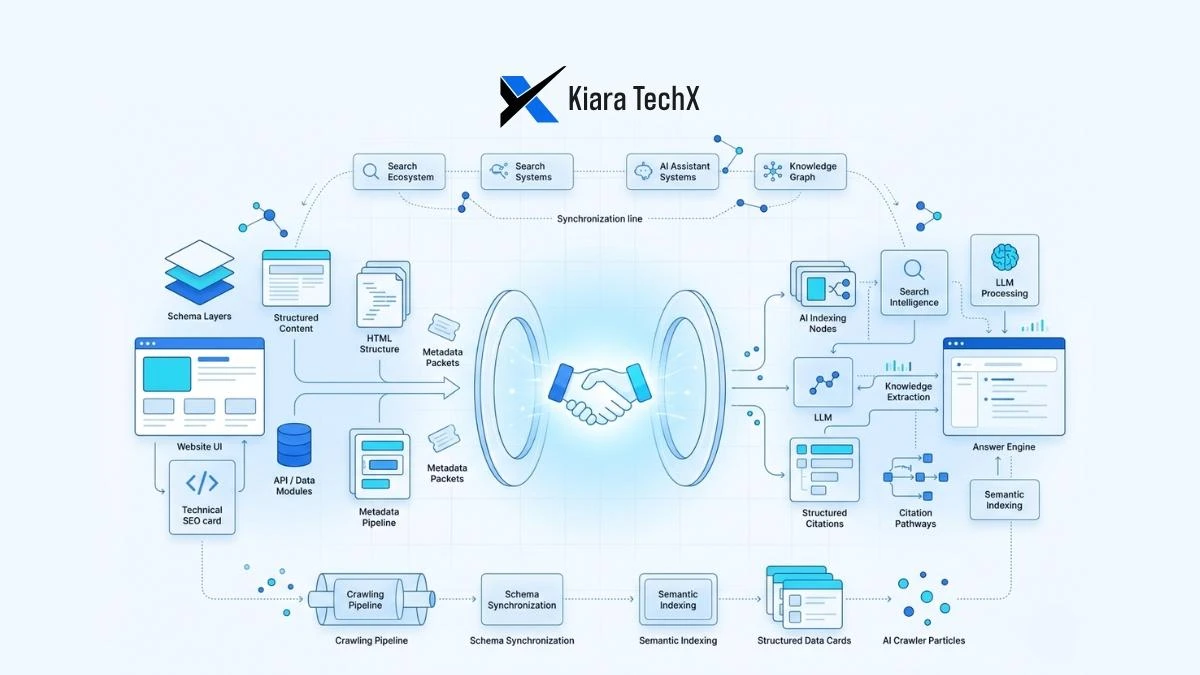
This does not mean SEO will disappear. Instead, content quality, source credibility, clear page structure, and relevance to user intent may become even more important. Websites that provide reliable, well-organized information may be better positioned to serve as sources for AI-generated answers, although inclusion and citation depend on each platform's algorithms and policies.
Businesses should also continue investing in website performance, structured data, accessibility, and user experience. Through complex website development, market research, and UI/UX services, Pishgaman Lotus can help organizations prepare their digital platforms for evolving search and interaction patterns.
Will Traditional Search Engines Disappear Completely?
Despite rapid advances in AI, the complete disappearance of traditional search engines is far from certain. Users still need direct links, original sources, image search, current news, maps, and specialized search tools. In these situations, the ability to inspect original information remains valuable.
AI-generated answers are also not ideal for every task. Users may want to compare different perspectives, read original documents, or make independent decisions based on a broad range of options. Consequently, the future may involve a combination of conventional search, AI-generated responses, and automated task execution rather than the complete replacement of one technology by another.
For technology companies, this creates an opportunity to build solutions that combine the strengths of both approaches. Pishgaman Lotus can help businesses prepare for this transformation through intelligent software and modern digital services.
Conclusion
Browsers Are Becoming Intelligent Assistants
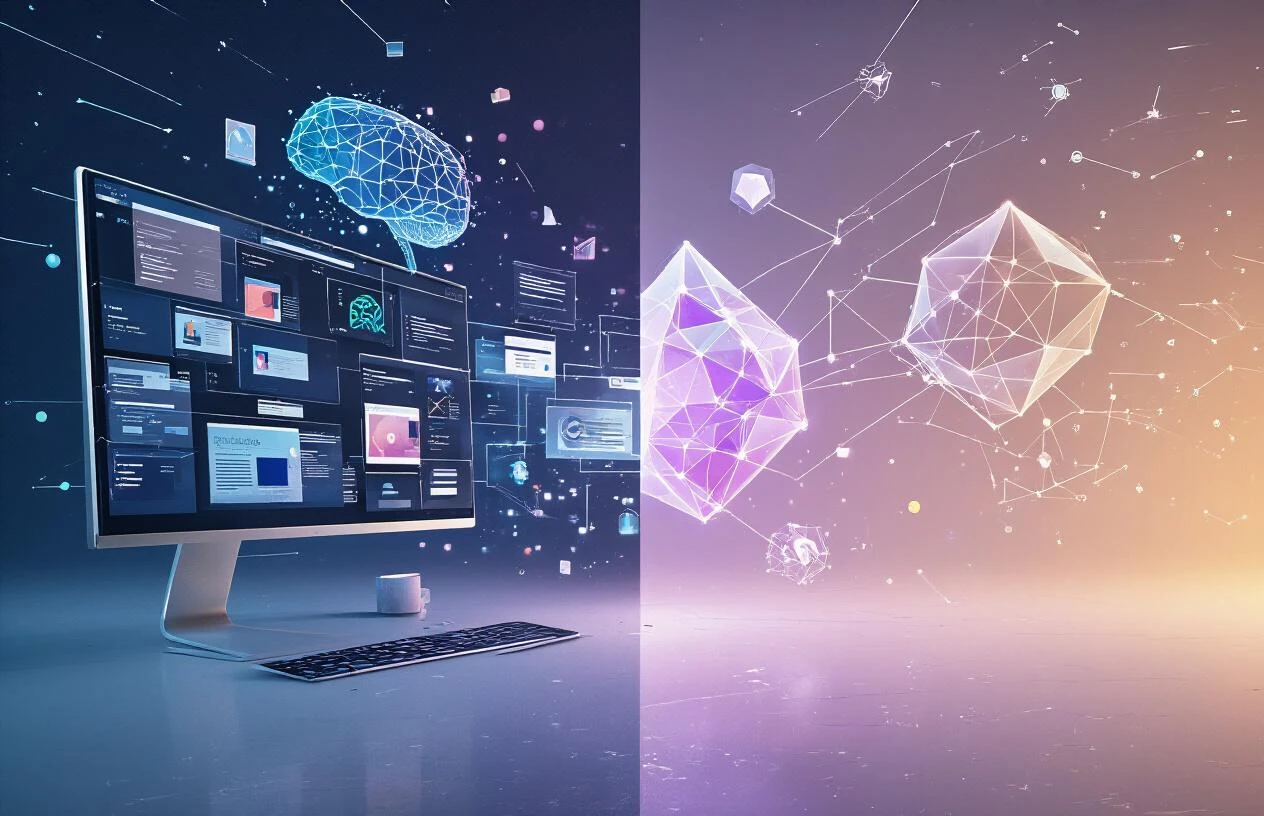
The future of browsing is likely to involve increasingly integrated experiences in which information discovery, content analysis, and selected digital tasks can be handled within a unified environment. AI can reduce the time required to find answers, make complex information easier to understand, and simplify interactions with online services. However, answer accuracy, privacy protection, and user control will remain essential to the success of these technologies.
For businesses, this transformation also creates an opportunity to rethink content strategies, website design, and digital product development. With expertise in artificial intelligence, web development, and user experience design, Pishgaman Lotus can help organizations explore how these technologies can improve their products and workflows. Ultimately, the future of the web may belong not exclusively to search engines or AI assistants, but to solutions that combine both effectively.
Our articles:"Local LLMs: Smart Assistants Without the Internet"
Similar Blogs

AI Voice Deepfakes — How to Detect Audio Fraud and Prevent Voice Cloning Scams


AGI-Powered Intelligent Agents: The Future of Automation and Autonomous Decision-Making

AI Voice Cloning: Business Opportunities and Security Threats
Have special project to begin?
Contact us if you need a unique website for your special requirements, if you think having a mobile application help you reach your business’s goals or you still do not recognize which product can help you implement your ideas. Lotus Pioneers accompany you to develop your business through consulting and by designing special products.