Design Systems: The Hidden Backbone of Digital Products
The Hidden Backbone of Digital Products

Introduction: Why Design Systems Are No Longer Optional?
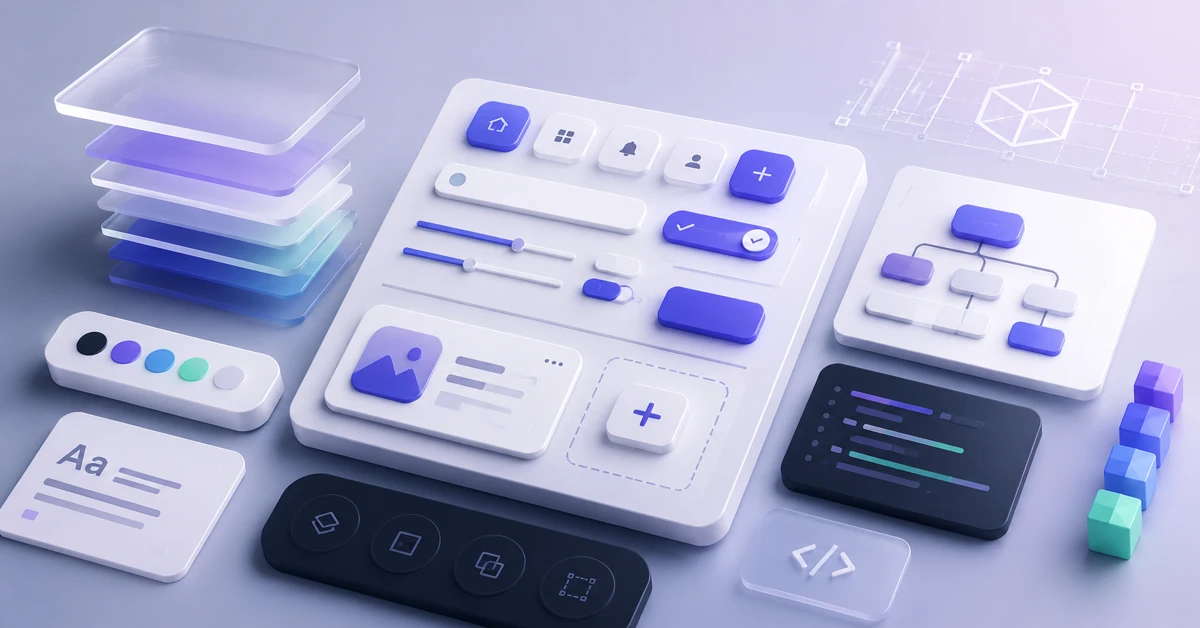
In today’s fast-paced digital product environment, where multiple teams work simultaneously on different parts of a product, maintaining design consistency is no longer optional—it is essential. Many organizations, including Pishgaman Lotus, have realized during their growth that without a well-structured design system, both user experience quality and development speed suffer significantly.
A design system is not just a collection of UI components or a simple UI kit. It is a shared language between designers, developers, and product teams that ensures everyone moves in the same direction and delivers a cohesive user experience.

What Is a Design System?
A proper understanding of a design system comes from seeing it as an ecosystem. This ecosystem includes design principles, interaction patterns, design tokens, and reusable components.
When these elements are well-defined and documented, teams no longer need to make repetitive decisions. Instead, they can focus on solving real user problems. In large teams like Pishgaman Lotus, this approach significantly reduces conflicts and accelerates decision-making.
Core Elements of a Strong Design System
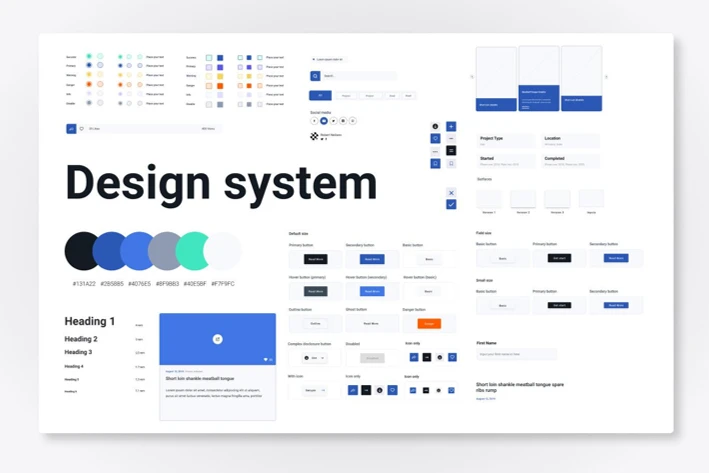
At a deeper level, design systems rely on foundational elements that may seem simple but are critically important. Typography, color systems, spacing, and component behaviors must be clearly defined.
Design tokens act as the foundation—standardized values used across the entire product. They make large-scale changes manageable and consistent. In companies like Pishgaman Lotus, this layer is considered the backbone of the entire design infrastructure.
Building a Design System: From Scratch to Implementation
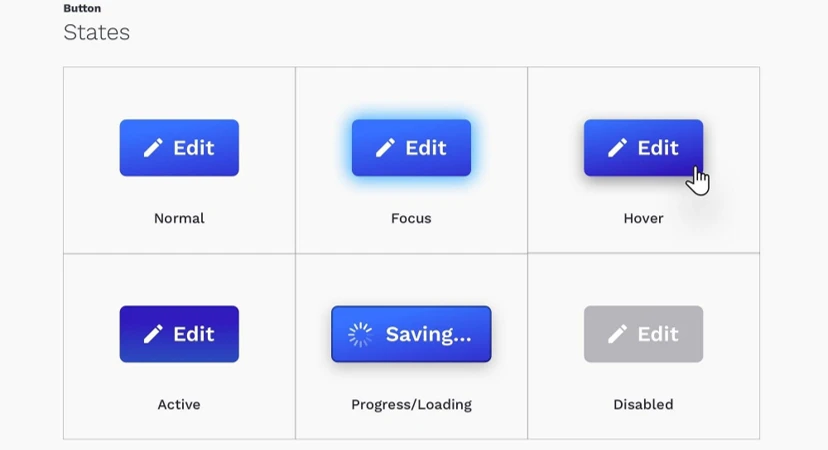
Creating a successful design system is not a one-time linear process but an iterative journey. It usually starts with auditing the current product to identify inconsistencies.
Next, design principles are defined, followed by systematic creation of components. These components are organized in tools like Figma and supported with detailed documentation to ensure proper usage.
At Pishgaman Lotus, this process is iterative, meaning the design system continuously evolves and improves over time.
Managing Design Systems in Large Teams
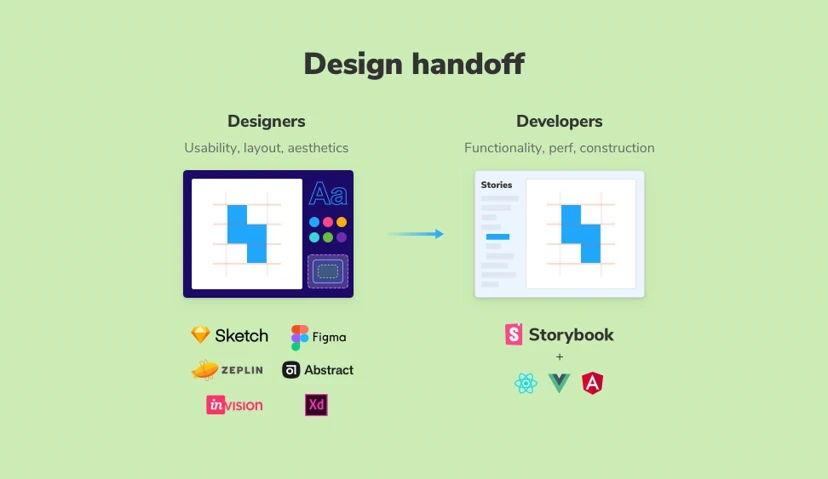
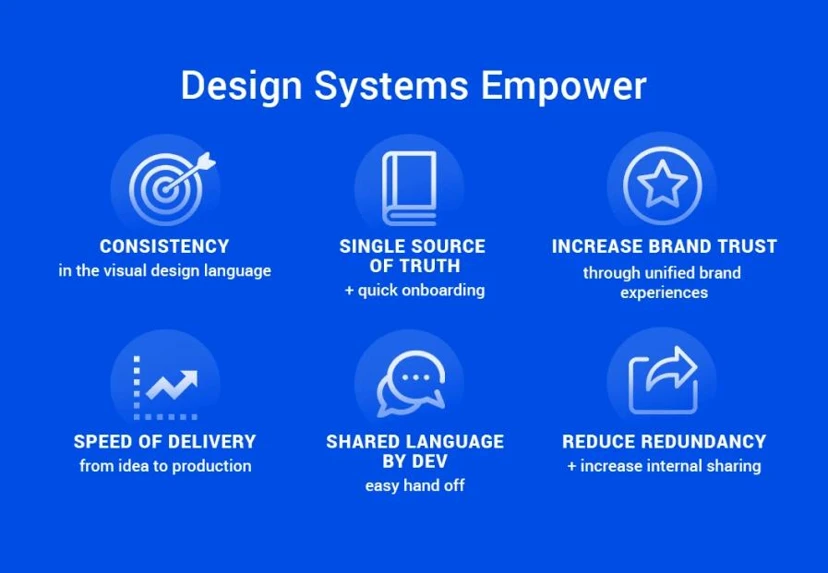
Managing a design system at scale is more challenging than building one. When multiple teams use the same system, inconsistencies and uncontrolled changes can occur.
To address this, organizations need a clear governance model. Defining roles such as a Design System Owner, establishing contribution processes, and maintaining structured workflows are essential.
Pishgaman Lotus has successfully balanced control and flexibility by implementing a centralized yet collaborative system.
Business Benefits of Design Systems
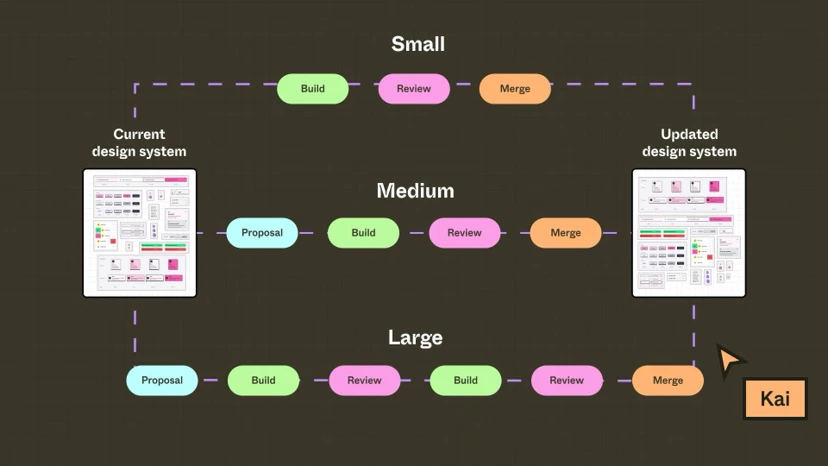
The benefits of design systems go beyond visual consistency. They directly impact development speed, cost reduction, and overall user experience quality.
With reusable components, teams can build faster and focus more on innovation. At the same time, users enjoy a consistent and predictable experience, which increases trust and satisfaction.
Tools for Implementing Design Systems
Tools play an important role, but they are not the system itself. Platforms like Figma, Storybook, and Zero height support the implementation and management of design systems.
At Pishgaman Lotus, these tools are effective because they are combined with clear processes and strong collaboration across teams.
The Future of Design Systems
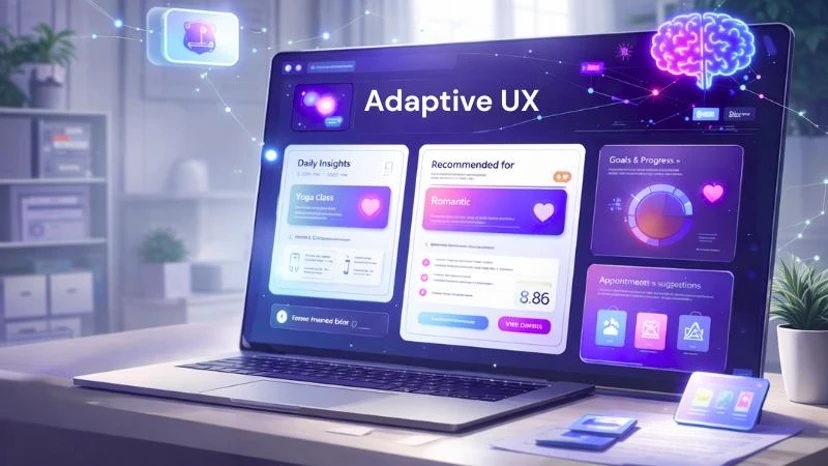
Design systems are evolving toward becoming more intelligent. Trends such as AI-assisted design, personalized user experiences, and cross-platform consistency are shaping the future.
This evolution means design systems will move from static rule sets to dynamic, adaptive systems that respond to user and business needs.
Conclusion: Design Systems as a Competitive Advantage
A design system is not a one-time project but a living, evolving process. Organizations like Pishgaman Lotus that understand this have built better products, more aligned teams, and faster workflows.
Simply put, a design system is what differentiates an average product from a truly professional user experience.
Our articles: "Will Artificial Intelligence Replace UI Designers?"



Have special project to begin?
Contact us if you need a unique website for your special requirements, if you think having a mobile application help you reach your business’s goals or you still do not recognize which product can help you implement your ideas. Lotus Pioneers accompany you to develop your business through consulting and by designing special products.